A home purchase is a major commitment of time, effort, and of course, finances. As a first-time buyer, the entire process can be intimidating and overwhelming. However, with a careful budget, you won’t get in over your head, and you can feel good about the purchase. There are several aspects to think about as you plan for your first home purchase.
1. First, Determine How Much You Need
There are two main steps in figuring out how much you can spend on a home: what you can actually afford and the amount you can get approved by a lender. You need both of these to set a realistic budget. You may be able to start a mortgage for more than you can truly afford, for instance.
First, look over your income, debt, and expenses and determine a reasonable amount or range to spend. One common rule that serves most people well is to spend no more than 28 percent of your monthly income on a mortgage payment. With that in mind, you need to look for pre-approval from a lender. This will solidify what you can budget.
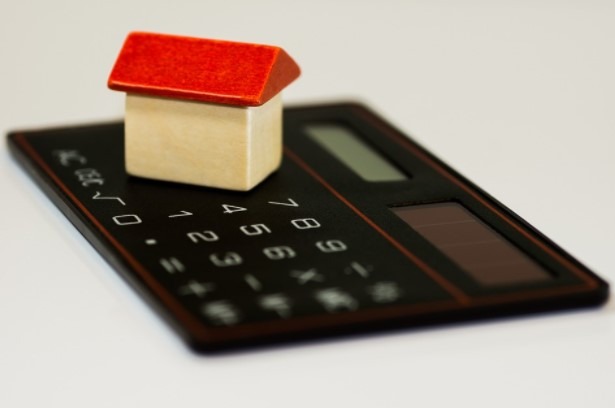
You will also need to consider the down payment and interest. There are calculators available to help you estimate your mortgage. For example, if you’re using a Federal Housing Administration (FHA) loan, use an FHA mortgage calculator to see what you’ll actually pay per month for any given home price.
2. Pay Down Debt
As you start to save up for a down payment, don’t lose sight of existing debt. Paying down existing debt is an integral part of the savings strategy. Debt can interfere with your credit score, ability to get loan approval, and resulting interest rate. Focus on getting rid of problematic debt so you can better afford your new home.
3. Find the Best Loan
Always shop around for the best home loan for your needs. They come in all shapes and sizes. You may qualify for special loans, such as FHA loans, Veterans Affairs (VA) loans, or U.S. Department of Agriculture (USDA) home loans. If you are eligible, they offer certain benefits, like a smaller down payment.
If you don’t qualify for a specialty loan, shop around with traditional lenders. Compare rates to get the best deal. Also, talk to your lender about whether you will be able to refinance later, which could help you save money.
4. Rent is Not Throwing Away Money
Paying rent on a home you won’t own can seem like a waste, but that’s not always true. Saving for a home purchase takes time. Jumping into a new home before you’re ready can get you into serious trouble.
If you need more time to have enough money and to feel confident about buying property, take that time. That means you may need to pay rent a little longer, but it’s worthwhile to be prepared. If you can live with family or a friend rent-free or with reduced rent, savings will add up faster.
5. Get Pre-Approved
Getting pre-approved for a mortgage is a vital step. Do it before you start looking at houses. It helps you stick with your budget but also signals to sellers that you’re serious. A seller will feel more confident choosing you over someone who did not get pre-approved.
With pre-approval, you’ll be ready to go, locked into a budget, and better able to narrow your search. Knowing the exact amount you can spend allows you to eliminate certain homes or even neighborhoods as unattainable for the moment. Just keep in mind when seeking pre-approval that it’s not set in stone. The amount can change, so allow for some flexibility.
6. Create Your Home Gradually
The joys of homeownership can come crashing down when you realize that spending doesn’t end with the monthly mortgage payments. Expect to pay taxes and utilities. You may also want to renovate, work on the landscaping, or add new furniture.
Spread out your expenses. It’s best to tackle projects slowly, so you don’t get into more debt than you can handle. Select one or two priorities, like furniture, and budget for those more immediate expenses while saving non-essential projects for later. Now that the house is yours, there’s no need to rush and make poor financial choices immediately.
Budget for a Good Experience
Purchasing a home for the first time can be scary, but it’s also exciting. If you make financial mistakes, the dream can turn into a nightmare. But, with careful planning and a reasonable budget, this new home will take you on a great adventure.

I’m a 20-something stay-at-home mother and wife. I have an amazing husband, a beautiful daughter, two loving dogs, and a lazy cat. I wouldn’t change my life for anything! I love to read, listen to music, cook and blog!


Speak Your Mind