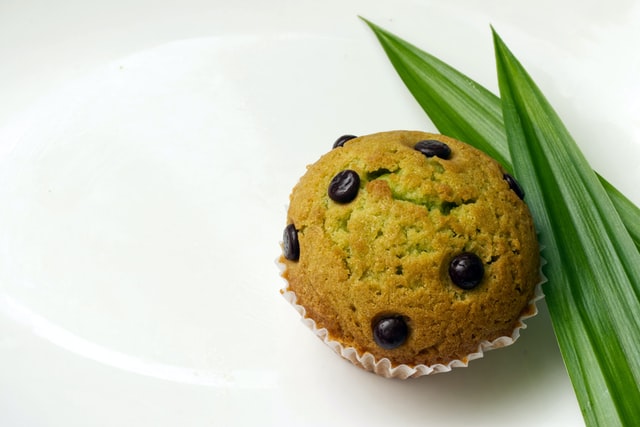
Pandan is a plant that is extensively utilised in South and Southeast Asian cuisines, but Western interest in the plant is increasing due to claims of health benefits and culinary characteristics associated with the plant.
Pandan extract may be found at local markets as well as specialised markets all around the globe. Its leaves, which are available frozen or fresh, are about 1220 inches (3051 cm) in length, depending on the variety.
All of these herbs may be used in extracts or infusions, or they can be cooked into rice dishes to add flavour and fragrance.
Pandan extract uses
- Pandan fruit and leaves are used in a wide variety of culinary preparations.
When cooking, the leaves are frequently cooked or juiced, or they are used to wrap and flavour meats, while the fruit may be eaten raw or turned into marmalade. Pandan fruit is also cooked and crushed into an edible, extremely nutritious paste that is a staple meal in a few areas of the globe, including the Philippines and Indonesia.
Pounded pandan leaves are frequently used to obtain an emerald-green extract from the plant. The richer the taste and the darker the colour of the leaf, the more mature the leaf.
Besides that, pandan leaf powder is utilised to enhance the taste of both savoury and sweet foods alike. Its flavour is characterised as having a grassy vanilla flavour with a touch of coconut flavouring.
- It is possible to decrease arthritic discomfort.
Pain or stiffness in the joints is a common symptom of arthritis, which affects millions of individuals across the globe.
According to Ayurvedic medicine, topically applied coconut oil infused with pandan leaves may help alleviate arthritic aches and pains. Its anti-inflammatory properties are believed to be due to the oil contained in its leaves, which has anti-inflammatory properties
- It has the potential to improve dental health.
Because of its pleasant fragrance, chewing on pandan leaves may help to freshen your breath.
When it comes to stopping bleeding gums, several non-Western medical traditions make use of this method as well.
Due to the fact that pandan extract has not been extensively researched, many of its health benefits are anecdotal in nature. Traditional uses include joint pain treatment and blood sugar control, among other things.
Dangers associated with using pandan
Because pandan has not been well researched, it is impossible to tell what adverse effects it may have or how it may interact with medicines.
Although pandan may have a moderate laxative effect that may result in diarrhoea if eaten in excessive numbers. Keep in mind that pandan fruit paste may contain a significant amount of sugar.
How to make use of pandan extract
Pandan is a fruit that may be used in a variety of ways.
- Nasi lemak is a Malaysian meal made with steamed rice and coconut milk, which is typically flavoured with the extract from the leaves of the plant. It may also be used to flavour soups, stews, and curries, among other dishes.
- Furthermore, entire leaves are used to wrap meats before steaming or grilling them, imparting a distinct flavour to the meats as a result. It is also possible to juice the leaves and fruits of some kinds.
- In sweets, pandan is often used in conjunction with coconut. For example, an Indonesian delicacy known as dadar gulung is made using its brilliant green essence, which is mixed into a crepe-like batter and then filled with sweetened browned coconut before being baked.
- Pandan may be purchased frozen, as a powder, or as an extract. Natural colouration, nutrition, and flavouring may be added to a meal using the leaf powder or extract of this plant.
- Pandan extract is a versatile ingredient that may be used in both savoury and sweet recipes. Its distinctive taste and fragrance are difficult to duplicate, but vanilla comes the closest to being a suitable replacement.
Conclusion
Throughout South and Southeast Asia, pandan is a versatile plant that is used in a wide range of culinary and medicinal purposes. It may be beneficial in lowering blood sugar levels and alleviating arthritic pain, but further study is required.
A variety of recipes are made using its fruit and fragrant, pointed leaves, which have a unique hue and vanilla-like floral overtones. It is extensively cultivated and consumed worldwide.
If pandan leaves aren’t readily available fresh in your region, seek powdered, extract, or frozen pandan leaves instead.

Hey welcome to my blog . I am a modern women who love to share any tips on lifestyle, health, travel. Hope you join me in this journey!


Speak Your Mind