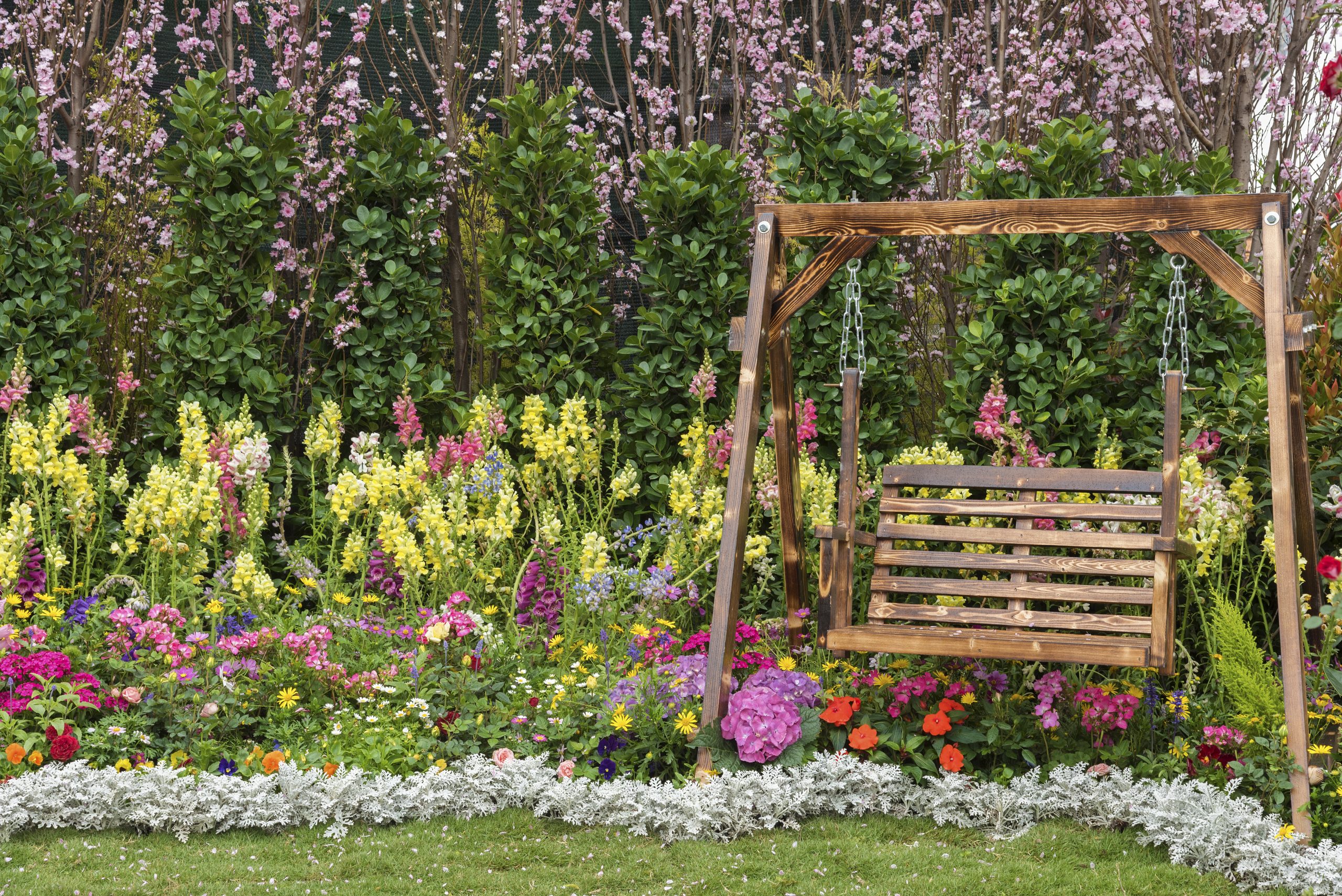
Growing a garden is a life-giving way to engage with nature and spend quality time outside. Weather permitting, your efforts will also result in beautiful blooms and delicious, homegrown produce.
If you’ve never gardened before or are planning significant improvements, you may feel overwhelmed by everything you need to do. After all, a garden is what you make it and there are so many exciting options.
Whether you’re just starting or have gardened for years, here’s how to plan an abundant plot for next year.
1. Define Your Goals
The garden you want to grow primarily depends on your personal goals. There are many different reasons to grow a garden, including to:
- Clean up your landscaping
- Decorate your yard or home
- Create a flower field for photos
- Improve soil
- Have fresh kitchen herbs and vegetables
- Save on grocery bills
- Spend time outdoors
The specific goals you have for your garden will define almost every aspect of your plan. Take some time to consider what you’re hoping to get out of gardening next year, and remember that you can combine any of these objectives to create a unique, personal plan.
Of course, whatever your primary reason for gardening, it will also bring the added benefit of spending more time outside in the sun and experiencing nature as you tend your plants.
2. Evaluate Your Space
Once you’ve decided on your goals, take a look at your space. Gardens can quickly get out of hand, growing beyond the boundaries you set and responding to light and soil in unexpected ways.
You can incorporate a garden into any home setting, but your style and options will look different depending on where you live. Space, weather and aspect are all factors that will affect your plot.
It may be your dream to have a south-facing slope with endless amounts of space for cultivating a well-established garden. However, remember that limits are also an opportunity for creativity. How can you transform restrictions of space, light and soil depth to enjoy a garden right where you are?
The more space you have, the better is the scope for adding elements and experiment with different types of dcors. However, even when it comes to small spaces you can be innovative and create a warm, inviting and attractive garden. All you need to do is browse stone grates that can help in giving a modern, aesthetic and fresh look to your garden space.
3. Create a Calendar
The next step in your planning is to create a calendar. Different plants are grown and harvested at various times of the year, and keeping a record of when to plant, harvest and replant will help you stay on track later.
Before creating a calendar, look at a plant hardiness map to see which zone covers where you live. Zones are divided by climate and tell you which plants will thrive where you live. Although you can grow plants across zones, they may need special care.
If you want to grow many different types of plants, you can also look into succession planting. By combining certain species and planting others one after each other, you can ensure your soil stays healthy and vibrant for next year’s crop.
4. Design a Layout
Now that you’ve collected all the information about what your garden will grow, where you’ll put it and when your plants will go in the ground, you can design a garden layout.
Break out the markers and colored pencils, and illustrate the garden of your dreams. This exercise is a fun way to track how your garden goes you can compare how it looks at the end of the season with your initial sketch to see what changed during the year.
Don’t forget to leave plenty of space between different plants. It can be tempting to fit as many as possible, but disease quickly spreads when they are set too close together. To keep your garden healthy and thriving, follow instructions to give each plant the spacing it needs.
5. Prep Your Soil
Late fall and early winter is the perfect time for you to invest in healthier soil. The best way to improve its content over the winter is to grow a cover crop and then layer compost over the ground after the winter plants have died back. This process will enrich your soil so it’s ready to grow healthy, nutrient-rich plants in the spring.
The health of your garden depends significantly on the quality of soil you have. The pH should be slightly alkaline, between 6.0 and 7.0 on the scale. However, certain plants favor soil that’s more alkaline or more acidic. Amending it to affect its pH can make a big difference in how your garden grows.
6. Order Seeds
Although it may seem far away, spring and the time for planting will be here before you know it. If you’re planning to grow from seed, it’s a good idea to order them now so everything is ready to go when planting time comes around. Most seedlings need to be started inside 4-12 weeks before the final spring frost date.
In addition to the things you know you want to grow, follow in the footsteps of Thomas Jefferson and plant at least one new type of seed as an experiment. Who knows? You could find your favorite plant by accident. Regardless of the outcome, however, you’ll learn more about plant varieties and gardening in general.
Get Excited About the Spring
Planning a garden is like having a life plan. You do some research, plant what you like and then watch to see what comes up from the seeds you’ve sown. While your garden probably won’t follow your initial plan exactly, the planning process is essential for building something you’ll love.

Hey welcome to my blog . I am a modern women who love to share any tips on lifestyle, health, travel. Hope you join me in this journey!


Speak Your Mind