
Asbestos is a group of fibrous silicate minerals found naturally in the environment. These fibers are split into durable, thin threads for industrial and commercial applications. Asbestos fibers can resist chemicals, fire, and heat, and they don’t conduct electricity. Commercial and industrial manufacturers use asbestos due to these specific properties.
Unless asbestos fibers are released into the environment, they are not harmful to human health. Once released, the thin asbestos threads break down into minute particles and become airborne. Since the mineral has no taste and smell, people can inhale or swallow asbestos without noticing it.
What happens when a person inhales asbestos? If humans inhale them, the thin fibers collect in the lungs leading to inflammation and scarring. Asbestos is a carcinogen, a cancer-causing mineral.
Apart from construction materials, asbestos is present in various other products, and exposure to its fibers can increase your chances of developing many diseases, specifically lung conditions. Have a look at some of the asbestos-containing products and how they affect our health.
1. Military Vehicles
Asbestos is present in military tanks, aircraft carriers, submarines, trucks, and other vehicles. Navy veterans have more chance of developing asbestos-related diseases because of continual exposure to the substance on aircraft carriers and submarines. The fibers get stuck in their abdomen or lung lining when swallowed or breathed, leading to various diseases, including a silent killer known as mesothelioma a rare type of lung cancer. Mesothelioma develops in the lining of the heart, lungs, or abdomen. It doesn’t show symptoms immediately after inhaling or swallowing but decades later.
However, mesothelioma navy veterans and their families can get benefits and disease treatment through the Department of Veterans Affairs. U.S. Navy veterans may also be able to claim compensation through asbestos trust funds.
2. Tiles and Cement
Construction materials like flooring, roofing, and ceiling tiles might be sources of asbestos exposure. Secondly, the adhesive used to set down tiles may also contain asbestos. Finally, cement itself has asbestos because of its ability to provide strength and fire-resistant and insulating properties. So, asbestos-containing cement is used in building items as an ideal material.
Workers of tile manufacturing companies may be at risk of inhaling the silicate mineral, leading to malignant illnesses, such as mesothelioma, lung cancer, and laryngeal cancer. Some non-malignant diseases are also associated with this harmful substance, like asbestosis, pleural effusion, and pericardial effusion.
3. Plastic Products
When it comes to plastic, other substances could meet the basic needs to produce products of different sizes and shapes, but asbestos fibers bring additional benefits. It makes the plastic resistant to acid, moisture, heat, and electricity. Asbestos-containing plastics are usually used in electrical and high-temperature applications, such as automobile parts, electrical components, and textiles.
Studies suggest that chemical plant members who prepare plastic molding products are usually exposed to high concentrations of asbestos dust, typically when it involves cutting, transferring, and pouring asbestos fibers. Regular exposure to the toxic dust is known to develop ovarian cancer, mesothelioma, lung cancer, laryngeal cancer, and asbestosis in workers.
4. Makeup Products

Asbestos is in makeup. Yes, you heard it right!
It may sound unbelievable, but research found that around 13 to 14 percent of makeup products that contain talc also contain traces of asbestos. Asbestos and talc occur together, so talc may also contain asbestos traces after extraction. Various adult and even children cosmetics brands have been examined and tested positive. Long-term exposure to talc-containing makeup products is linked to ovarian cancer and mesothelioma.
5. Textiles
Fibers of asbestos are used in the manufacture of garments and clothes. The reason behind the incorporation of asbestos in textile is again its heat-resistant properties. The common materials which contain asbestos include blankets, firefighter rope, and suits. The amount of asbestos in garments may vary depending on its application; however, it could be 100 percent in some cases. Now you can think about how dangerous it can be for the workers who manufacture them and the user.
6. Laboratory Equipment
Asbestos releasing laboratory equipment was quite common in the past, putting everyone at extreme risk of dust exposure. Today, asbestos is no longer used in laboratory equipment in the U.S. However, other international suppliers may still incorporate it. Asbestos fibers are woven into mitts, gloves, and sleeves. Other laboratory tools include insulation linings in equipment like centrifuges and ovens, Bunsen burner mats, gauze pads, laboratory countertops, and fume hoods.
7. Hairdryers
Previously, asbestos was used in hair dryers to provide insulation to the appliance. Asbestos-containing hair dryers made up around 90 percent of annual sales. As a result, hairdressers were also exposed to toxic dust. Today, manufacturers no longer use asbestos in hairdryers. However, hairdressers should be careful of older models still in use.
8. Cigarette Filters
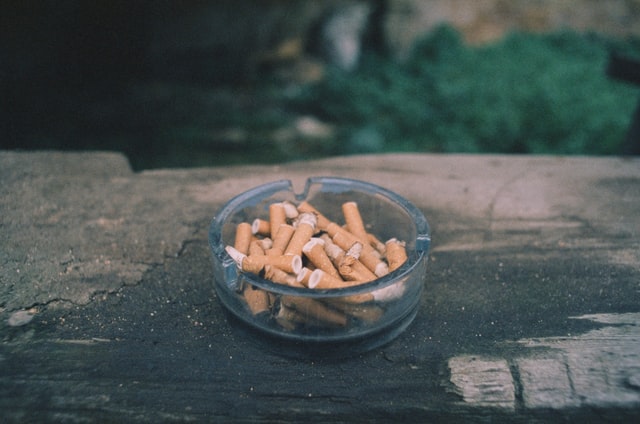
One of the most alarming commercial uses of the asbestos mineral was in cigarette filters. They had crocidolite fibers a kind of asbestos most likely responsible for most deaths. The filter-like nature of asbestos made it an ideal material for cigarette filters. Not only were the users endangered, but individuals working in such environments were exposed to asbestos because they were duty-bound.
Conclusion
Asbestos is a naturally occurring toxic mineral found together with talc. The mineral’s resistance to heat and moisture and durability allow it to be used in different products for specific purposes. From military vehicles and plastic goods to your regular use cosmetics and hair dryers, asbestos can be found in various products. Exposure to toxic asbestos fibers can have severe effects on human health. People exposed to it are likely to develop asbestos-related illnesses, such as lung cancer, ovarian cancer, asbestosis, laryngeal cancer. Working in such a harmful environment is also a risk factor for developing rare cancer known as mesothelioma. It is strongly advised that you wear a mask and keep yourself protected when working around asbestos.

Hey welcome to my blog . I am a modern women who love to share any tips on lifestyle, health, travel. Hope you join me in this journey!


Speak Your Mind