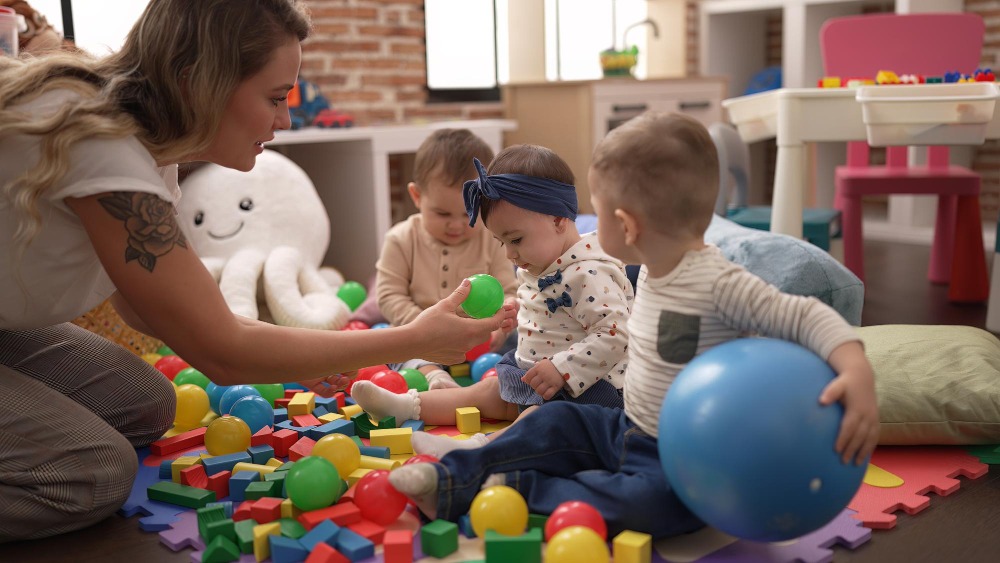
Preschool marks a pivotal stage in a child’s development, offering far more than preparation for elementary school. It is during these early years that children begin cultivating autonomy, decision-making skills, and a sense of self within a social context. One educational philosophy that powerfully supports this transformation is the Reggio Emilia approach. Rooted in respect for the child’s innate capabilities, this method emphasizes exploration, communication, and self-guided learning.
In a KLA preschool, educators apply Reggio Emilia principles to create thoughtfully prepared environments that empower young learners. These schools recognize that children, when provided with the right tools and surroundings, develop independence organically through daily interactions and discoveries. Understanding how this approach fosters autonomy helps parents and educators support meaningful growth during early childhood.
Designing the Environment as a Third Teacher
Physical surroundings play a crucial role in shaping behavior and cognitive growth. Reggio Emilia-inspired classrooms treat the learning environment not as a backdrop but as an active participant in a child’s education. Natural light, open spaces, and easy access to a variety of materials encourage decision-making and self-directed exploration.
Instead of rigid furniture layouts or overwhelming displays, these classrooms provide clearly defined areas for reading, building, art, and sensory play. Materials are intentionally chosen to invite curiosity and are within reach. Children learn to select tools based on their interests, take responsibility for their choices, and care for shared spaces—key components in developing independent behavior.
Valuing the Hundred Languages of Expression
Loris Malaguzzi, the founder of the Reggio Emilia philosophy, famously described children as having “a hundred languages”—metaphors for the numerous ways they interpret and express their experiences. These languages include painting, music, storytelling, sculpture, dance, and other forms of artistic expression. Honoring this concept allows children to take ownership of their learning journeys.
In Reggio-inspired settings, educators provide open-ended opportunities for creative expression. Children decide how to represent their ideas, whether through clay models, collaborative murals, or dramatic play. This freedom nurtures confidence and decision-making, essential traits of independence. When children realize their thoughts matter and can be shared in diverse ways, they begin to trust their instincts and refine their voice.
Teacher as Guide, Not Instructor
Rather than relying on direct instruction or predetermined lessons, Reggio Emilia educators act as collaborators and researchers. Their role involves observing children closely, documenting progress, and posing thoughtful questions that spark deeper investigation. This dynamic relationship empowers the learner.
When a child’s interest emerges—such as fascination with insects or a curiosity about shadows—the teacher extends that interest into long-term projects. These explorations are not teacher-driven; they evolve through group collaboration, experimentation, and reflection. Such projects require problem-solving, planning, and persistence, all of which strengthen independence through meaningful engagement.
Project-Based Learning as a Tool for Autonomy
Reggio Emilia classrooms often employ long-term projects that are rooted in children’s inquiries and interests. These projects grow organically, sometimes spanning weeks or even months, and usually integrate various disciplines such as math, science, art, and language. This method encourages learners to take initiative, test their ideas, and revise their work based on peer feedback and real-world observations.
Throughout these projects, children make key decisions—selecting materials, organizing their thoughts, assigning roles, and presenting findings. The teacher supports rather than dictates the process, encouraging a sense of ownership. As learners reflect on their actions and outcomes, they build self-awareness and confidence in their decision-making abilities.
Documentation as a Mirror for Self-Discovery
A hallmark of the Reggio Emilia approach is the ongoing documentation of children’s learning experiences. Rather than simply assessing performance, educators use photos, transcripts, artwork, and journals to make thinking visible and transparent. These artifacts serve as tools for reflection, helping children revisit their ideas and recognize their growth.
This process empowers young learners to engage in metacognition—the ability to reflect on their thinking. When children examine how their ideas evolved, they develop deeper self-understanding and a sense of agency. They come to view themselves not only as learners but as contributors to a shared knowledge community.
Strengthening Emotional Intelligence Through Peer Collaboration
Independence does not develop in isolation. In Reggio Emilia settings, collaboration is integral to the learning process. Through small group activities and project work, children practice negotiating roles, listening to others, and managing conflicts. These social interactions cultivate emotional literacy and resilience.
When children engage in group decision-making—such as determining the direction of a class project or resolving differences—they build autonomy in a communal context. They begin to see themselves as responsible members of a social group, capable of both expressing their needs and respecting the needs of others. This balance between personal initiative and empathy enhances both independence and interpersonal skills.
Empowering Children to Be Agents of Their Learning
The Reggio Emilia philosophy views every child as curious, competent, and full of potential. Rather than controlling the learning path, educators provide a supportive framework that invites discovery. Through intentional space design, meaningful relationships, and documentation, children learn to navigate challenges and make informed choices.
At a KLA preschool, this approach translates into a rich and nurturing environment where learners chart their course, guided by their interests and strengths. The emphasis on inquiry, creativity, and reflection equips children not only for academic success but for life beyond the classroom. Fostering independence in preschool isn’t about enforcing rules or routines—it’s about giving children the trust and tools to explore who they are and what they can become.

Hey welcome to my blog . I am a modern women who love to share any tips on lifestyle, health, travel. Hope you join me in this journey!


Speak Your Mind