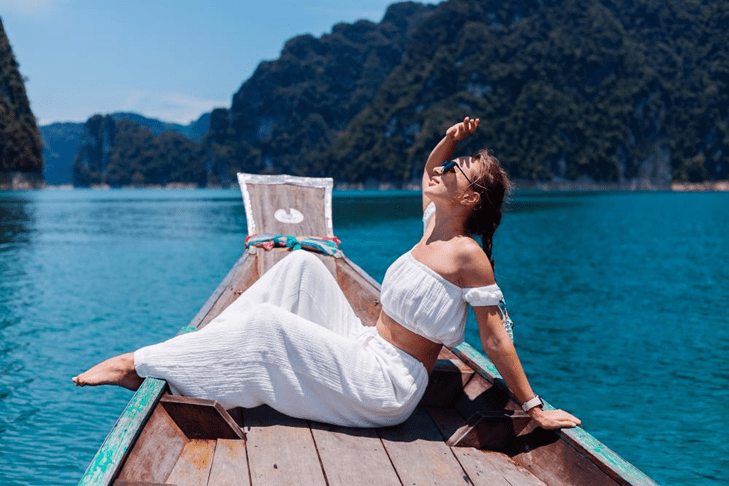
The search for beauty and somatic improvement has prompted people to travel long distances for millennia, generating one of the longest-standing types of tourism in history. This timeline from ancient healing temples to modern advanced medical tourism hotspots shows how beauty desires have consistently driven human migration and created entire industries.
The Rise of Modern Aesthetic Tourism
Today’s aesthetic tourism is a huge global thing worth a ton of cash, with people flying across the world just to get top-notch, affordable cosmetic procedures done. Each year, over 15 million Americans head out of the country for medical care, and there are more than 60,000 people from the UK who are doing the same for medical tourism. This growth isn’t just about better tech and safer procedures, but it’s also about making these aesthetic treatments accessible to everyone, not just the rich and famous.
Turkey has proven to be the most intriguing example of the strength of modern aesthetic tourism. It quickly became one of the world’s top destinations for medical tourism, specifically cosmetic surgery. At a cost 50% to 70% less than in the West, Turkey had more than 1.5 million foreign patients in 2024, earning revenues of more than $3 billion.
Many high quality clinics are now available here, like Estherian Clinic that demonstrates how Turkey combines medical professionalism with holistic treatment. With more than five years of experience in health tourism, package tours, and a lifetime post-operative care program, Estherian welcomes thousands of foreigners, receiving services ranging from rhinoplasty and breast implants to veneers and hair transplantation. Turkish tourism clinic Estherian and others like it have succeeded in demonstrating how destinations can combine medical professionals, with holistic holiday packages, transforming medical need into experiential travel that unites healing and hospitality.
Ancient Foundations Aesthetic Tourism
The origin of aesthetic tourism can be traced to ancient cultures where beauty, health, and spirituality were combined. The archaeological record of the third millennium B.C. indicates that ancient Mesopotamians traveled to the temple of a healing god or goddess at Tell Brak, Syria for eye disease treatments. These trips were the first formal medical tourism of humanity, creating models of travel for health and aesthetic enhancement that would endure for millennia.
Ancient Egypt created most of the beauty treatments that lured visitors from across the Mediterranean. Cleopatra and the other queens of Egypt were famous for their lavish beauty routines, like taking milk baths combined with exotic oils and honey. The treatments were not superficial but an entire conception of beauty that combined physical appearance and religion. The advanced cosmetic expertise, ranging from kohl eyeliner that was formulated from galena to scented oils, gained a reputation that lured beauty seekers from different parts of the world.
It was the Romans and Greeks, however, who took this idea to another level by establishing the very first medical tourism networks. The Asclepion Temples, so named after the Greek god of medicine, Asclepios, were the first medical centers in the world where pilgrims would travel to pursue both physical and cosmetic enhancement. These templates provided full experiences that included ritual purification, dream analysis, and cosmetic enhancement treatments.
The Renaissance Revival
The Renaissance witnessed a deep change in European outlook towards travel and beauty that promoted new modes of aesthetic tourism based on culture and artistic sophistication. It was the period when the idea of the Grand Tour first came into vogue, initially concentrating on Italian cities where art, architecture, and standards of beauty were being transformed. Florence, with its marble Duomo and museum housing world-class collections of art, became a destination where travelers would come not just to see the beauty, but also to experience new standards of aesthetic values.
The Renaissance revival of classical standards of beauty led to a new kind of cultural tourism, which was focused on beauty education. European aristocrats came to Italy to learn from master artists, have their portraits done, and learn the revolutionary Renaissance concepts of proportion, symmetry, and beauty. This tourism was aesthetically conscious, with visitors going there to improve their own looks and sense of beauty by being educated in Renaissance innovations in art and design.
Back in the day, spa towns started getting really creative with how they approached beauty and health. They looked back at those old-school Roman bathing practices and set up fancy spa spots like the town Spa in Belgium, which is actually where the whole industry got its name. These places didn’t just dish out health treatments, but they also provided full-on aesthetic experiences with things like cosmetic prep, beauty treatments, and social activities all meant to enhance your looks and classiness.
The Grand Tour Era
The 18th century saw the full bloom of the Grand Tour, a phenomenon that shaped European notions of culture, beauty, and travel. This new cultural phenomenon occurred between the late seventeenth and early nineteenth centuries and had a deep impact on the European art world. Rich young men toured the continent, and especially Italy, France, and Greece, to view classical antiquity and Renaissance art, enhancing their aesthetic sensibility that would regulate their lives for decades.
The Grand Tour delivered high quality aesthetic education that shaped people’s opinions of beauty standards, architectural taste, and cultural sophistication. Travelers purchased art, commissioned portraits, and apprenticed with master artists, developing a type of aesthetic tourism that blended cultural immersion and individual change. The effects ran far wider than personal experience, as Grand Tourists returned with artistic spoils, design inspiration, and beauty standards that impacted the aesthetic evolution in their home nations.
Victorian Beauty and Industrial Tourism
The Victorian era turned aesthetic tourism upside down, owing to the introduction of new methods of transportation. It shifted definitions of beauty and increased the number of middle-class individuals with the resources to travel. Even though Queen Victoria thought that makeup was “vulgar” and only appropriate for “prostitutes and actresses”, the era still witnessed some remarkable developments in beauty treatments and new types of aesthetic tourism.
Victorian beauty standards revolved around people with pale complexions and dainty features. Also, a general look of fragility was a reflection of social standing and moral uprightness. Therefore, there was an obvious need for professional treatments and locations to facilitate these ideals. Victorian women had advanced beauty regimens that comprised herbal lotions and creams from locally available ingredients, and this further enhanced the need for spa locations to offer such treatments.
This was the period when spa tourism really came into its own, not just for the sparkling aristocracy, but also for emerging middle classes. Spas like Cheltenham, which was awarded its spa town status in the 18th century, were substantially enhanced with the coming of the railways to allow more people to go there. These spas weren’t limited to health treatments only, but also incorporated full beauty regimes with specialist baths, cosmetics, and social activities to allow people to look good and feel special
The 20th Century Revolution
The 20th century saw unprecedented change in aesthetic tourism, fueled by two global wars that transformed plastic surgery, technological innovation that rendered procedures safer and more effective, and social revolution that made aesthetic enhancement more acceptable to all classes. In fact, reconstructive surgery became especially popular after World War I and World War II. This demand also fueled developments in surgical techniques that were later transferred to cosmetic procedures.
The advances made in plastic surgery in the wars set the stage for modern aesthetic tourism. Surgeons like Sir Harold Gillies developed new methods of skin grafting and facial reconstructive surgery that saved lives and made cosmetic surgery the next big thing. By 1931, the American Society of Plastic Surgeons had formed by then, and the transition from experimental medicine to established medical specialty took place during the same time.
After the war, more middle-class folks started getting into aesthetic treatments. In the 1970s, things like better surgical safety, reliable anesthesia, and people being okay with cosmetic surgery played a big role in promoting aesthetic tourism. Hollywood really played a part in making these treatments trendy, especially since medical tech was improving and making things safer with more reliable results. Many of the safety rules and quality checks we have in modern aesthetic tourism today came from this time.
The Digital Age and Aesthetic Tourism
The twenty-first century has turned aesthetic tourism into a global business worth billions of dollars, fueled mainly by digital technologies, social media, and the growth of specialist medical tourism hubs across the globe. Contemporary aesthetic tourism is a highly evolved blend of high-quality medical service, luxury travel, and full-service travel agencies keeping cross-border treatment within reach of millions of patients.
Today, we have all these medical tourism facilitators and specialty clinics that take care of everything from travel arrangements and accommodations to translation assistance and follow-up care. It’s amazing how this has made aesthetic tourism something that only the wealthy could previously afford into a choice for the typical middle-class individual worldwide, really disrupting the international healthcare industry and creating new avenues for cultures to interact globally.
Endnote
The evolution of aesthetic tourism from ancient healing temples to contemporary medical oases demonstrates our timeless quest for beauty and personal enhancement. Every period has capitalized on past inventions and reacted to represent technological ability, cultural ethos, and economic potential; The aesthetic tourism sector today is a result of centuries of human innovation in medicine, tourism, and hospitality, facilitating transformation far beyond cosmetic enhancement to include holistic experiences in healing, cultural exchange, and personal transformation.

Hey welcome to my blog . I am a modern women who love to share any tips on lifestyle, health, travel. Hope you join me in this journey!

Speak Your Mind