
The Brooklyn Bridge Walk is a dream experience for any New York City tourist. However, there is much more to the experience beyond the remarkable skyline sights and photographic shots. The trip has interesting facts and unnoticed secrets. A guided walking tour will take you to see the bridge in a completely different light.
Whether it is hiding secrets in the world of architecture or secrets that are little known about the past, every step on the bridge has some beauty to behold. Not only will you become acquainted with its engineering marvels, but you will also discover the human stories, alongside the hidden views and special photo stops that give the iconic bridge a soul. Read on to learn some of the most memorable surprises you will uncover on the way.
1. Architectural Details of the Granite Towers
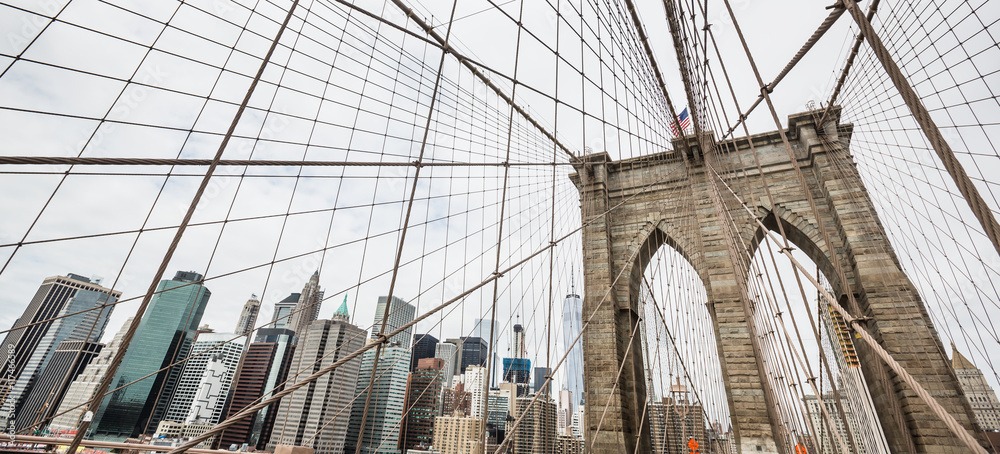
The sweeping skyline mainly draws attention, but few people bother to go up the granite towers of the bridge to take a closer look at it. These neo-Gothic arches were constructed in the late 18th century using limestone, granite, and cement. When you take a Brooklyn Bridge walking tour, your guide will point out the carved recesses and fancy patterns that mix engineering and art.
You will also realize how the towers were built when no modern machinery was involved, with the help of enormous caissons and risk-taking crews called the sandhogs, who dug deep into the riverbed. Knowledge of human hands that make up these structures is what transforms them into depositories of endurance and creativity.
2. The Wooden Plank Pedestrian Walkway
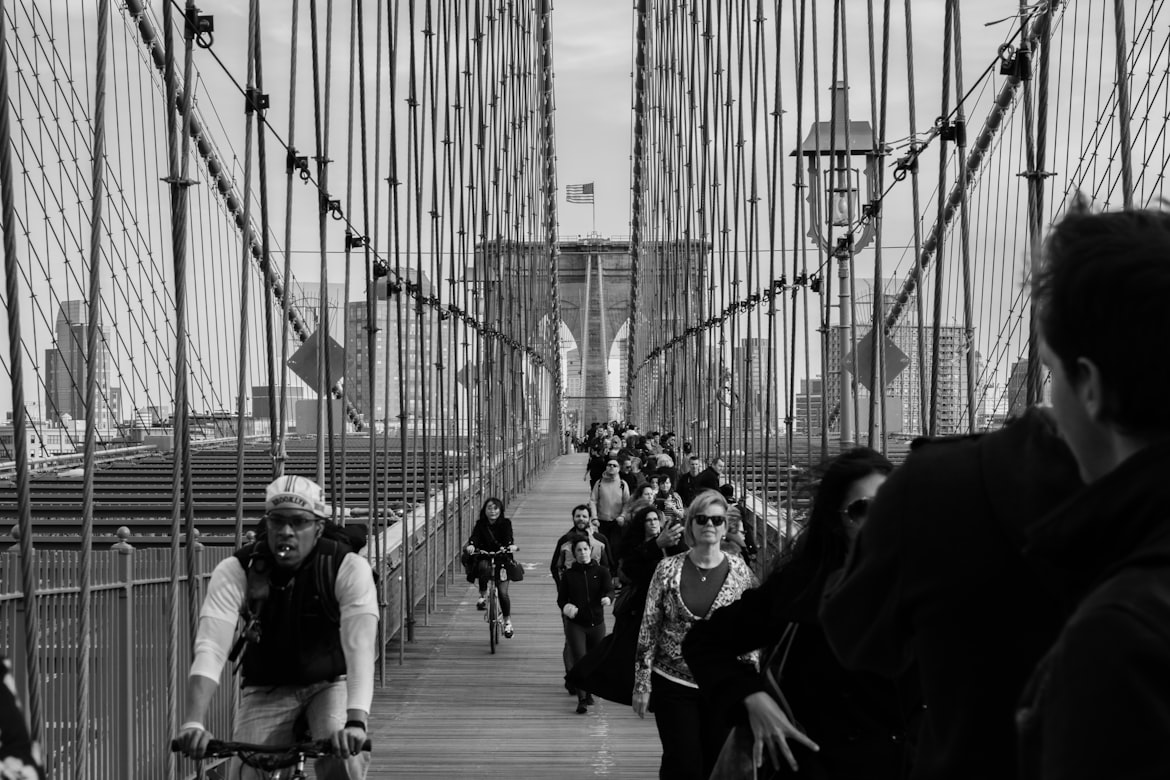
The prominence of pedestrian and bicycle walkways made of wood raised above the traffic roadway is one of the most distinctive features of the Brooklyn Bridge. Little do visitors know they are walking over the original planks used in the 19th century. The design not only offers sweeping views but also separates walkers from the road traffic below.
Your guide will inform you of the importance of the wooden walkway for safety when the bridge was initially opened to people passing through, as well as the use of horse-drawn carriages without any interference with each other. The sound of footsteps on the wood contributes to the bridge’s beauty, and one can feel its history.
3. The Secret Wine Cellars Beneath the Bridge
Not many realize that the Brooklyn Bridge once contained wine cellars on its anchorages. As the naturally low temperatures below the bridge allowed, these secret storage rooms were leased to wine merchants. Their cellars even had murals with fancy signage giving them a hint of old-world charm.
Your guide can show you where to find these cellars on your tour, even though they have been closed to the public. It was a practical problem that gave rise to the idea; the city had spare space, but the wine merchants wanted affordable and climate-controlled storage. It reminds you that New York has never lost the chance to use every square inch of real estate.
4. The Best Skyline Viewpoint
Although the midpoint of the bridge is the optimum photo op, there is another, lesser-known vantage point at the Manhattan tower, with a superbly framed view of the lower Manhattan skyline. Most tourists also stop here so that you can capture the One World Trade Center emerging from New York with the East River in the foreground.
Your guide can give you photography tips, such as visiting early in the morning or just before sunset, and where to experience the best lighting. They can also note that the skyline has changed throughout the decades, and older brick buildings are intertwined with the newer glass towers. You may see other bridges, ferries, and even the Statue of Liberty in the background, provided there is clear weather.
5. The Love Locks (and Why They’re Removed)
You may also see some bunches of so-called love locks, padlocks left by couples as a token or sign of their relationship along sections of the bridge. Although romantic in principle, such locks are not uncommon among city workers who often remove them since they increase the weight and may compromise the structure.
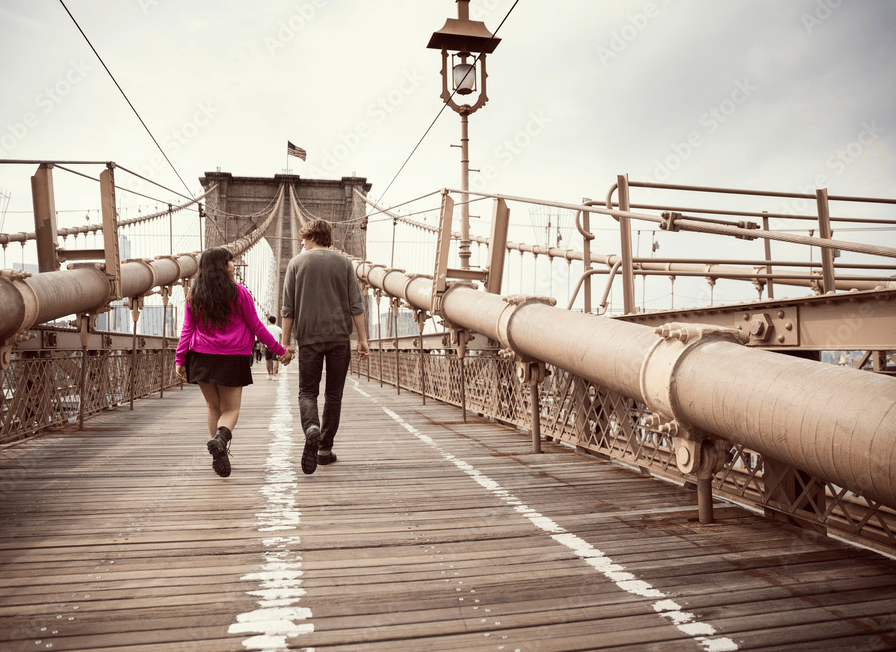
Although the locks are not permanent, they are small stories of travelers worldwide, leaving a trail in the city. There are names, dates, and initials of others, each a moment of togetherness. The information on the durability of the locks is a sour note, a fact that even the mightiest of connections, such as the bridge itself, needed care and attention. It is a contemporary rite that describes the bridge’s retention as a Center of relationship.
6. The Overlooked Brooklyn Side Entrance
Most guests begin their walk in Manhattan and never really see the entrance into Brooklyn. This area has several green parks, picturesque cobblestone neighborhoods, the leafy Brooklyn Bridge Park, and a stunning front view of the bridge itself. It is more peaceful, and you can admire the building without being pressured by the Manhattan population.
The guides usually advise visiting DUMBO (Down Under the Manhattan Bridge Overpass), a neighborhood where one can find art galleries, indie shops, and famous picture spots. You may help yourself to a slice of the mythic Grimaldi or take a scoop out of the ice cream factory next door.
Final Thoughts
The Brooklyn Bridge walking tour is much more than a brown shins though path. It is a step into New York history. When you walk on its wooden planks and look at its tall towers, you not only marvel at the fantastic job of architecture; you find the strata of skill, vision, and hard work that went into its construction.
The sneaky secrets bestowed by most visitors are what make the tour even more unforgettable. Some of the gems you will discover are the secret wine cellars hidden beneath its structure, the obscure views of its skyline, and the daily customs, such as love locks, that add modern narratives to its historic backdrop. They make an ordinary crossing a vivid time travel that mixes the present and the past, which only New York can do.

Hey welcome to my blog . I am a modern women who love to share any tips on lifestyle, health, travel. Hope you join me in this journey!


Speak Your Mind