Image Credit: source
Something that causes racing heart rates in a manner of minutes is the unexplained bursting of an ovarian cyst. Ovarian cysts are fluid-filled sacs that develop on and inside ovaries and in many instances just disappear on their own, causing no problems along the way. In the odd event that these cysts do rupture, the pain may set in suddenly; sometimes, the pain may come back at odd intervals, perhaps accompanied by bleeding and other symptoms that may not give cause to an emergency. Yet, a few ruptures could give way to great catastrophes: for example, major internal bleeding, infection, or torsion of the ovary.
Knowing what to expect after an ovarian cyst ruptures is important to help you seek timely intervention and aid in calming your mind. You will get to explore all symptoms, know when to seek professional attention, learn home management, and view treatment options, so being knowledgeable would strengthen your preparedness. These points look at signs, risks, diagnosis, and treatment-a full guide to managing your ruptured cyst and understanding the impact it may bring to your welfare.
Understanding Ovarian Cysts
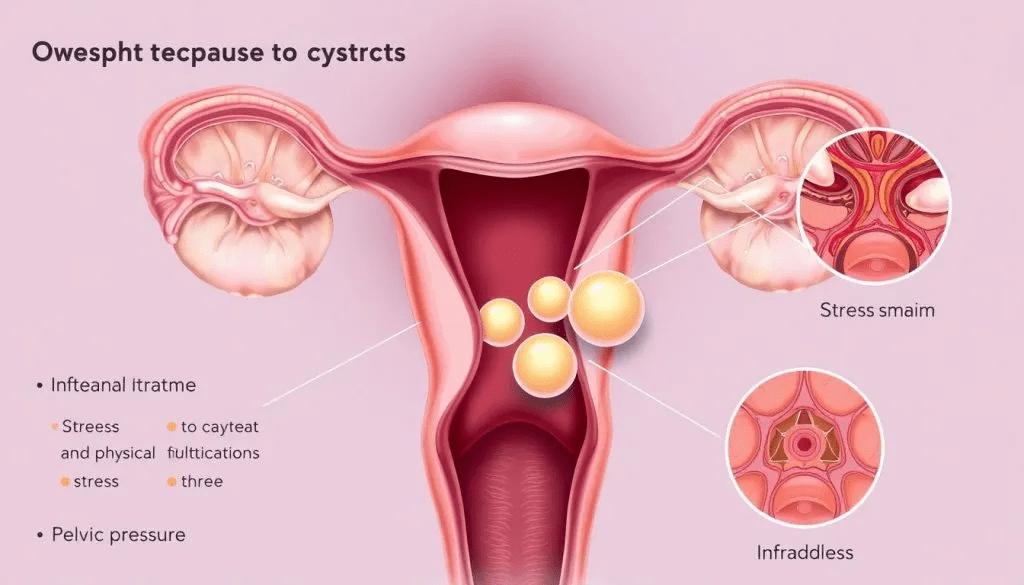
Ovarian cysts are extremely common, and usually during the ovulation process. Ovarian cysts are fluid-filled sacs that form on, or in the ovary. Most cysts (functional cysts) are normal, benign, and resolve in the span of a few menstrual cycles. More specifically, functional cysts include follicular cysts and cysts from the corpus luteum (ovulating follicle), but functional cysts are only subtypes of cysts; so cysts can also be various other, more complex types. Bidermoid cysts are a type of cyst, and it is a type that can be complex, and contains tissue that is, in some cases, hair or skin. Cystadenomas are another type of cyst, and it is a type that is on the surface of the ovary. Endometriomas are of particular interest as they emerge from endometriosis (the growth of tissue similar to the lining of the uterus, but outside of the uterus). Most ovarian cysts are simple and benign lesions but problems arise when a cyst ruptures. Ruptured cysts can cause acute pain, discomfort, or both; and lead to complications. Understanding what type of cyst is present, is important if a rupture takes place because it can give the physician some indication of how serious the rupture may be, and if any further treatment is indicated.
Why Ovarian Cyst Ruptures Happen
Cysts often rupture on their own through the normal activity of a menstrual cycle, especially during ovulation when an egg is released, but other activities may lead to a cyst rupture. Activity, exercise, and/or intercourse can potentially lead to a rupture, especially with larger cysts. Larger cysts over 5 centimeters have a higher likelihood of rupturing and potentially causing problems. There are also conditions that create a higher risk of rupturing, such as pregnancy, fertility treatments, medical conditions, and endometriosis. The ruptures are usually not serious and will heal on their own, however, ruptures can and do occur and can create significant risks for serious problems such as internal bleeding or torsion, both emergencies that require care.
Symptoms of a Ruptured Ovarian Cyst
Not all women will have any symptoms when a cyst ruptures. Once again, some women may not even notice, while other women are taken aback by sudden and sharp pain in the lower abdomen or pelvis usually on one side. You may also experience bloating, some abdominal swelling, or pain during sexual intercourse. Some women have gone as far to indicate the sensation of feeling unusually full or heavy in their stomach. Other signs you may experience are temporary irregular menstrual bleeding, nausea, or vomiting. In more severe cases you may experience dizziness, fainting, rapid heartbeat, fever, chills, heavy vaginal bleeding, or severe abdominal pain. If these occur, you must seek emergency medical care immediately. Understanding the difference between mild discomfort and serious warning signs is key to taking action quickly and with safety.
Medical Treatment Options
In more serious cases, medical intervention is required. If rupture leads to severe pain or dehydration, doctors may administer intravenous fluids and strong pain medicine. If there is heavy bleeding internally, blood will need to be transfused. Surgery will sometimes be indicated to remove the cyst via laparoscopy (small incision with camera) or laparotomy (equally sized incision). It may be required to remove the ovary.
Healing and Recovery
Recovery following ruptured ovarian cystic depends on the severity of the situation. Most of the marginal ruptures resolve within a few days while pain gradually disappears with the gradual absorption of fluid by the body. More really complicated rupture scenarios may need to get hospitalized and prolonged duration of healing, particularly if a surgical intervention has been involved.
Some follow-up ultrasounds are usually recommended to confirm complete resolution of the cysts. It is also beneficial to keep a regular appointment with a gynecologist for the purposes of monitoring recurrent cysts and the overall health of your ovaries.
FAQs
Q1: What does an ovarian cyst feel like on rupture?
A sudden sharp pain arises mostly in the pelvic area, and accounts for one side. Some may feel bloated, dizzy, or have nausea.
Q2: How long does the pain last?
Most pain subsides within a few days. It would be wise to consult a physician if the same unbearable pain lasts for too long or grows worse.
Q3: Does every ruptured cyst require treatment?
No. Many fissured cysts heal naturally. Treatment has to be given when there is profuse hemorrhage, infection, or pain.
Q4: Can a cyst rupture again?
Of course, an individual cyst typically ruptures only once; however, new cysts can form, enlarge, and rupture in the future.
Q5: When should one rush to the ER?
If abdominal pain is too much and fainting occurs, heavy bleeding sets in, and fever develops or a pounding heart stands, then the case calls for emergency visits or immediate attention.
Conclusion
There is a good deal of stress involved in the situation of a rupturing ovarian cyst, but most of these cysts are thankfully not life-threatening and would resolve without incident. Many women just suffer from an uncomfortable sensation that goes away after a few days. But it is critical to be alert to those heavier symptoms such as profuse bleeding, high fever, or severe pain in the abdomen that needs urgent medical attention.
Understanding the signs, risks, and treatment options result in proper consideration and less unnecessary anxiety. This knowledge helps to decide when to rest at home, contact your doctor, or head to the emergency room, protecting your health at each given time. Regular checkups, understanding your risk factors, and upkeep of management strategies might give you prevention from repeated conditions as well.
The more you know, the more confident and prepared you will be, and it will be a lot easier to deal with the uncertainty that so often accompanies ovarian cysts and their potential complications.



Speak Your Mind