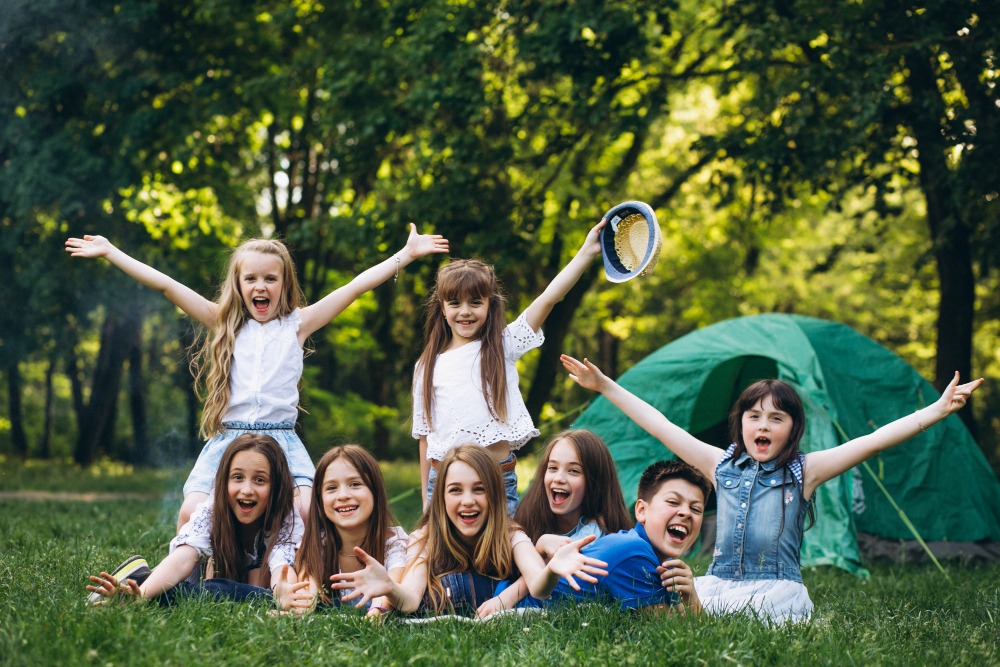
Every summer, parents everywhere start the same conversation: should we send the kids to camp this year? It’s easy to hesitate. Between travel costs, busy schedules, and the temptation to just let them stay home with their friends (or their phones), summer camps can feel like an optional luxury. But they’re not. They’re one of the few remaining experiences that truly pull kids out of their digital bubbles and into something resembling real life.
Rediscovering Independence
One of the biggest gifts of camp is independence. For many kids, it’s the first time they’ve had to remember to put on sunscreen without a reminder, find their way to the dining hall, or manage a little pocket money. These may sound like small things, but they build a foundation for self-reliance that’s hard to teach at home.
Camp environments are designed to encourage decision-making in a low-stakes way. A child can pick a new hobby, try out a leadership role, or navigate a minor disagreement without a parent stepping in. It’s not about throwing them into the wild and hoping for the best—it’s about giving them space to fail safely and grow confidently. That sense of “I can handle this” lingers long after the campfire burns out.
Learning to Unplug
In a world where “screen time” has basically become another word for childhood, the idea of unplugging might sound impossible. But that’s exactly what summer camps do best. Whether it’s a two-week sleepaway or a day camp in Nashville, D.C., or San Diego summer camps, it doesn’t matter where you are, the best ones all share the same goal: get kids outside and engaged with something that doesn’t light up or buzz.
Without constant access to social media or gaming, kids rediscover boredom—and that’s actually a good thing. Boredom sparks creativity, curiosity, and problem-solving. Suddenly, a stick becomes a wand, a trail becomes an adventure, and kids remember that real fun doesn’t come with a notification sound. Camp gives them a rare kind of peace: a day measured by the sun instead of the battery bar.
Teamwork Without The Scoreboard
Group sports can be great for kids, but camps offer a different kind of teamwork—one that’s not about winning. When campers build a shelter together or learn a group dance, they learn collaboration without the competition. There’s no trophy at the end, no ranking system—just shared effort and shared laughter.
These moments remind kids that being part of something bigger than themselves doesn’t always mean performing. It can mean helping, listening, or simply showing up. Many camps intentionally mix kids from different backgrounds, ages, and skill levels to break down social barriers that often exist in school. By the end of a session, that quiet kid who didn’t talk much might be leading a campfire song, and that’s the kind of transformation that sticks.
Confidence In Motion
There’s something powerful about seeing a child who once hesitated on the sidelines now leading a canoe trip or performing on stage. Camp confidence isn’t the loud, showy kind—it’s earned through small victories that add up. From climbing walls to cooking classes, kids gain new skills that make them see themselves differently.
What’s especially meaningful is that camp confidence isn’t built on perfection. It’s built on trying. Campers learn to laugh off mistakes, keep going after failed attempts, and find humor in moments that would have frustrated them at home. It’s resilience disguised as fun. And long after camp ends, those lessons echo back in the real world—at school, in friendships, and in how they handle challenges.
Where Curiosity Meets Real Life
Not every kid thrives in a classroom. Some come alive outside it. Camps offer an environment where learning feels natural again. Whether it’s astronomy under the stars or learning how to fish, camp turns curiosity into action. It connects knowledge to lived experience in a way school often can’t.
When kids plan activities, solve group puzzles, or experiment with nature, they’re practicing soft skills that matter far more than test scores—adaptability, empathy, communication. These are the qualities that build strong adults, not just good students. And for parents who’ve struggled to see their child’s spark at home, camp often brings it roaring back.
Family Benefits That Last Beyond Summer
Sending a child to camp doesn’t just benefit the kid—it resets the family dynamic. Parents get time to recharge, and kids come home more self-sufficient. When families reunite, there’s a renewed appreciation for one another that you just can’t fake.
There’s also a practical side: after a summer at camp, mornings tend to run smoother, and kids are more likely to take initiative. That independence they picked up—doing chores, making new friends, trying new things—filters back into home life. And when parents talk about how to plan a camping trip or family outing, kids who’ve had a camp experience often bring a surprising amount of know-how to the table. They’ve learned how to set up a tent, pack what matters, and manage time outdoors—skills that carry through life.
The Long Shadow Of A Campfire
The memories of summer camp don’t fade with the tan lines. They become part of a child’s inner story—the first spark of independence, the first real challenge, the first time they realized they could make friends anywhere. In a world where so much feels digital and distant, camps remain one of the last truly human experiences for kids.
Every generation has its way of growing up, but this one, surrounded by screens and speed, needs what camps offer most: connection, confidence, and a chance to just be kids. The long shadow of a campfire stretches far beyond the summer, lighting paths they’ll walk for years to come.

Hey welcome to my blog . I am a modern women who love to share any tips on lifestyle, health, travel. Hope you join me in this journey!


Speak Your Mind