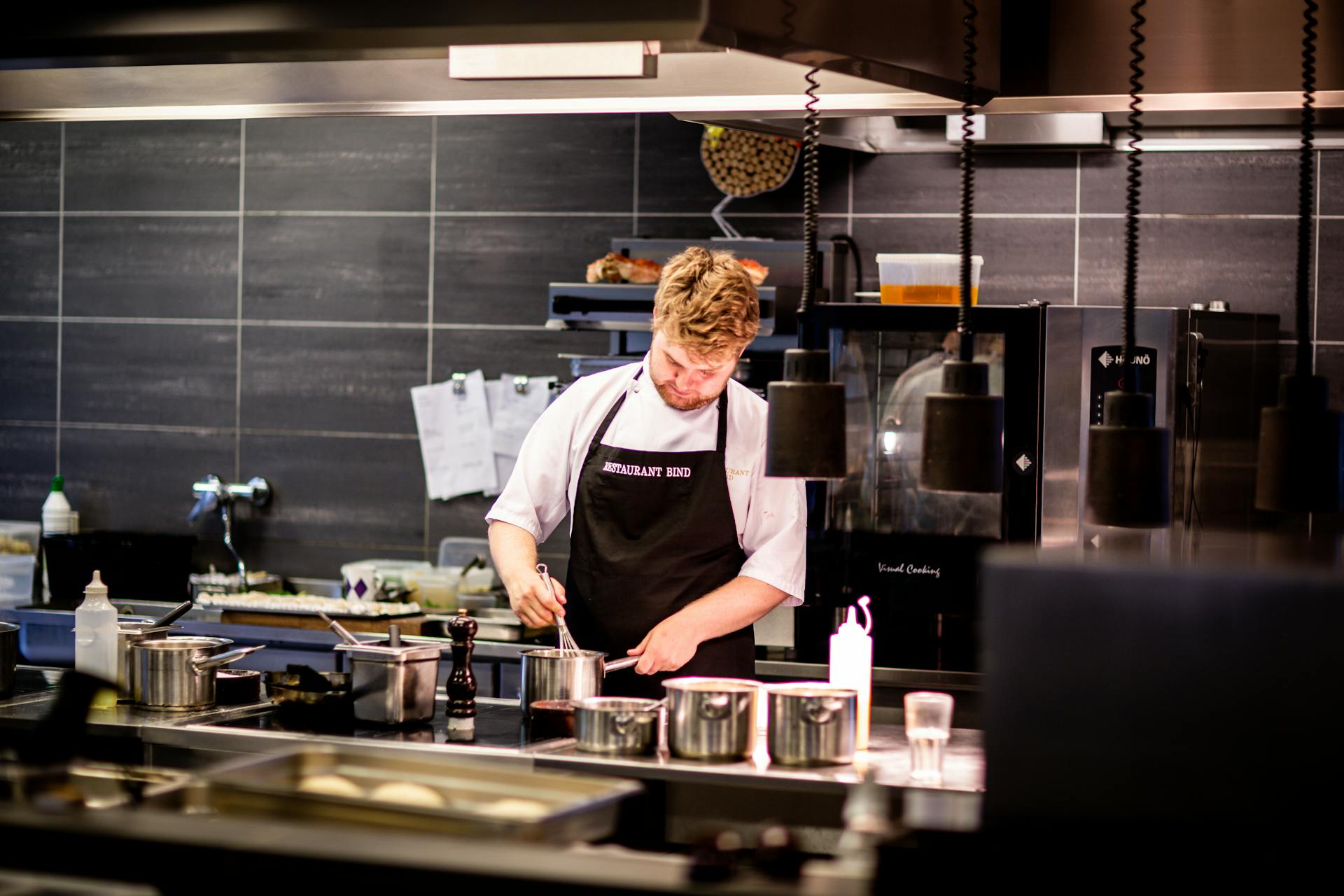
Ink That Tells a Story: The Passion Behind Culinary Art Chef Tattoo Designs
Chefs live their art. The fire, the sweat, the late nights, they all leave a mark. For many, that mark becomes permanent. In kitchens around the world, culinary art chef tattoo designs have turned into the badges of the trade, stories written in ink, not words.
Why Chefs Get Tattoos
Ask any chef, and they’ll tell you the same thing: cooking isn’t just a job, it’s life. A chef tattoo is a personal record of the craft, each symbol representing years of skill, creativity, and dedication. Some get inked after mastering a new course, others after a hard-earned victory in the kitchen. Every tattoo says something about who they are, what they’ve survived, and what inspires them.
The Stories Behind Chef Tattoo Ideas
Look closely, and you’ll see a language of its own. A chef’s knife tattoo etched along the arm shows precision and control, the heartbeat of cooking. For some, that same blade might cross a fork or skull to show grit and humor. Others opt for softer, herbal, or vegetable-based inks on their skin to celebrate freshness and balance.
Some bakers wear whisks, cupcakes, or butter sticks, reminders of recipes that shaped them. A food tattoo can be simple or wild, but it always carries meaning. A chef’s hat might represent pride and hierarchy, while a kitchen knife tells a story of long hours and sharp focus. Even small symbols like garlic bulbs or sprigs of herbs find a place on wrists and shoulders.
Tattoos That Represent the Craft
Culinary tattoos aren’t random designs. They represent passion. They remind chefs where they started, maybe cutting onions in silence, maybe burning their first sauce. Every mark has a story. Some chefs even dedicate tattoos to mentors or to moments that changed their lives.
For food lovers and photographers who follow the culinary world, tattoos make that connection visible. They show how deeply cooking and art intertwine. You might see tats covered in blades, cakes, veggies, and butter, each one a reflection of creativity and skill. The ink becomes part of the uniform, as important as the knife or the apron.
The Connection Between Art, Food, and Life
Cooking and tattooing share the same rhythm: repetition, risk, and reward. Both require patience, precision, and imagination. Many chefs say getting a tattoo feels like finishing a dish; it hurts a bit, but the result feels worth it. The moment the artist wipes off the last bit of ink, it’s like painting a masterpiece.
Some chefs treat tattoos like milestones. Each one marks a new chapte, a recipe perfected, a restaurant opened, a dream achieved. A few even honor culinary icons like Anthony Bourdain, whose life and words continue to inspire the kitchen culture.
Kitchen Culture and Body Art
Step into a busy kitchen and you’ll see it, sleeves of tattoos, forearms covered in stories. It’s not rebellion anymore. It’s business. Culinary tattoos have become part of kitchen identity, part of the culture that defines chefs as creators.
On social media, chefs share their tats proudly. Instagram and Facebook are full of designs showing knives, flames, herbs, or playful cakes. Some tattoos carry company logos; others pay tribute to ingredients or courses that matter most. Tattoos turn the chef’s body into a living gallery, every image a mix of fun, humor, and respect for the craft.
Tattoo Ideas for Chefs and Food Lovers
Thinking of getting inked? Start with what drives you. Maybe it’s a favorite recipe, a kitchen tool, or the smell of roasted garlic that pulled you into cooking. Here are some tattoo ideas that chefs often choose:
- Chef Knife Tattoo: The classic. Represents control, power, and precision.
- Chef’s Hat: A simple nod to tradition, leadership, and pride.
- Vegetable and Herb Tattoos: From tomatoes to garlic, celebrate the ingredients that define your food.
- Food Tattoos: Cakes, cupcakes, meat, or butter, whatever makes your dishes stand out.
- Playful Tats: Add humor with small skulls, forks, or witty symbols that spark conversation.
For women chefs, softer tones and finer lines often give tattoos a more delicate look without losing strength. Mix them up, a knife and fork crossed with herbs, a skull wearing a hat, or cupcakes with stars. The point is to make it yours.
Tattoos as Memory and Meaning
Tattoos in the culinary world are more than body art. They’re a record of moments that matter, the burns, the breakthroughs, the long shifts that shaped each chef. Ink becomes a second skin, a permanent reminder of what it takes to stay in the game.
A tattoo doesn’t have to shout. Sometimes a small mark on the wrist says more than a full sleeve. What matters is what it represents, passion, sweat, and love for food. In the same way a great recipe lives forever, tattoos stay with you long after the plates are cleared.
So if you’re thinking about getting one, don’t copy an image you found online. Let your story guide it. Because the best culinary art chef tattoo designs aren’t about trends, they’re about truth, and the life written on your skin.
The Takeaway
Culinary tattoos speak louder than words, showing a chef’s love for food, art, and life. The best culinary art chef tattoo designs capture that passion in a way that feels personal, creative, and full of meaning. Every mark is a mix of inspiration, skill, and style, a story that stays with you forever.
Frequently Asked Questions
What inspires most chef tattoo ideas?
Many chefs draw inspiration from their favorite dishes, tools, mentors, or moments that shaped their journey in the kitchen.
How do chefs choose the right tattoo style?
They pick a style that reflects their personality — some prefer bold traditional lines, while others go for fine, minimal, or colorful designs.
Are culinary tattoos common among bakers and pastry chefs?
Yes, bakers often get tattoos of cupcakes, whisks, or butter sticks to celebrate their craft and creativity.
What makes culinary tattoos meaningful?
Each tattoo represents a personal connection to food, passion, and the lessons learned through years of dedication.


Speak Your Mind