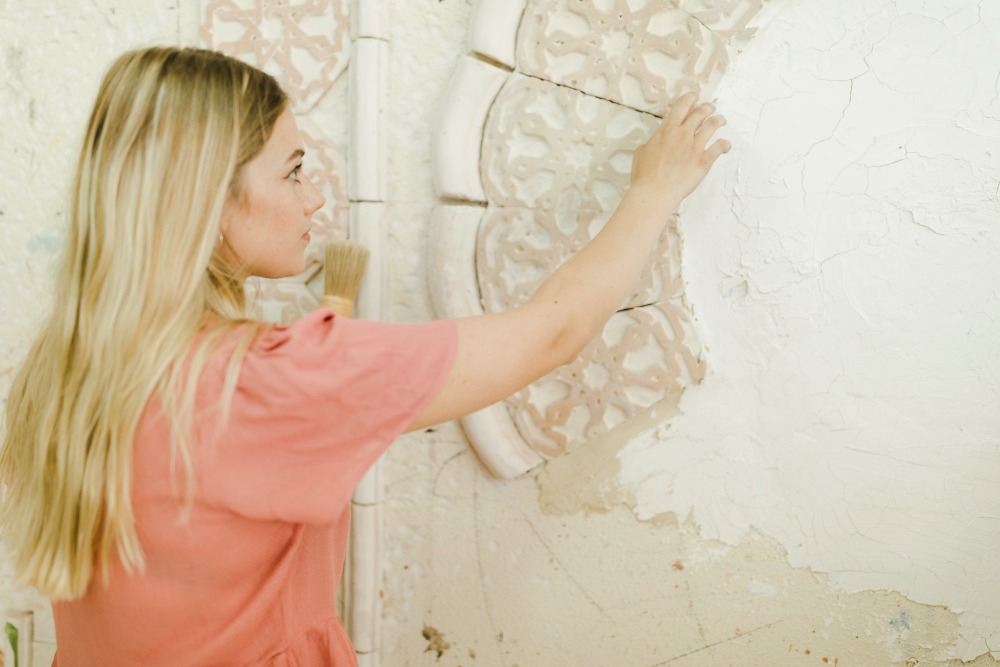
They say a fresh coat of paint goes a long way but when it comes to home styling, sometimes the issue is much deeper than colour. Cracks, damp patches, flaking paint or wobbly walls are signs the house has structural or maintenance problems paint alone cannot normally address. Hiding these signs can push back needed repair work and result in higher repair costs further down the road. Knowing when a house requires more than a touch-up paint minimises damage to both what is visible and what is invisible in the long term.
Persistent Peeling and Bubbling Paint
If you see a repeated pattern of peeling and bubbling, it’s a sign of more than old paint. Moisture trapping beneath the surface often causes these problems. Scrawling over such issues may conceal imperfections for a while, but it will never fix them. You get much better results by investigating for leaks or water intrusion than by trying another paint job. Fresh paint will fail in no time if you don’t fix the sources of the moisture. When dealing with issues like these, house painters in Upper Hutt often recommend addressing moisture sources first, since fresh paint will not last if leaks or trapped dampness remain unresolved.
Stains and Discoloration That Return
If you see more than the occasional stain or any discoloration, you should consider it a bit of a warning, especially on ceilings or walls, as the occurrence can lead to more serious problems. Hidden damage that requires attention goes unnoticed, such as water leaks, mould, and stains caused by rust. If you just cover up the spots but do not address the cause, the issue is going to continue. Other plumbing or roof-related problems can fester or worsen over time if not properly treated.
Cracks in Walls or Ceilings
Visible cracks in plaster or drywall are often an indication that the structure has moved or shifted. Professional evaluation is necessary for larger or expanding cracks, even though some small hairline cracks may be benign. Cracks wider than a dollar coin or traversing multiple locations can signal foundation issues. Structural shifts or settling will not be fixed just with a paint job. By dealing with these issues first, you can avoid further damage and expensive repairs down the line.
Mould and Mildew Growth
Mould or mildew spots indicate too much moisture and poor ventilation. A layer of paint over such a growth won’t magically cure health risks and unfortunate aesthetics. If you do not address the underlying moisture problem, mould will quickly reappear. Painting should come after they have eliminated the moisture source and cleaned out all contaminated regions. This method keeps property value intact and also protects the wellbeing of the residents.
Rotten Wood or Damaged Surfaces
If wooden surfaces are soft, crumbly, or discoloured, they may be rotten. Paint can hide ugly damage, but it won’t stop the wood from decaying. Changing any damaged trim, siding, or window frames prepares a solid base for any processes that will take place next. If ignored, decayed materials can lead to larger structural issues and safety hazards over time. Quick and dirty repairs result in a lower-fidelity, unsafe, or temporary outcome.
Outdated or Failing Materials
In some cases, older homes have siding, stucco, or other materials that aren’t performing well anymore and are ready for an update. Stuff like chipped stucco, sagging siding, or flapping panels indicates that you need to replace instead of just repainting. If the substrate is failing, painting will only help so much. Replacing these surfaces with modern counterparts makes them more energy-efficient and enhances curb appeal. Restoration or replacement can be determined only after a comprehensive inspection.
Why Addressing These Signs Matters
Failure to heed the above signals will result in higher repair bills and more hassle. The structural integrity and value of your investment will be saved by timely intervention. Addressing root causes first before painting will reward you with a longer-lasting finish and increased customer satisfaction. Investing time in using proper repairs means fewer issues in the future and an overall healthier home for the homeowner.
Conclusion
While repainting a house makes it immediately more visually appealing, sometimes a home needs a lot more than that. Signs of such deeper issues include peeling paint, persistent stains, cracks, mould, old wood, and older materials. Being aware of these indicators and taking action early reduces money, time, and stress. By being proactive, you can ensure that your home is safe, sound, and pleasant to live and work in for years to come.

Hey welcome to my blog . I am a modern women who love to share any tips on lifestyle, health, travel. Hope you join me in this journey!


Speak Your Mind