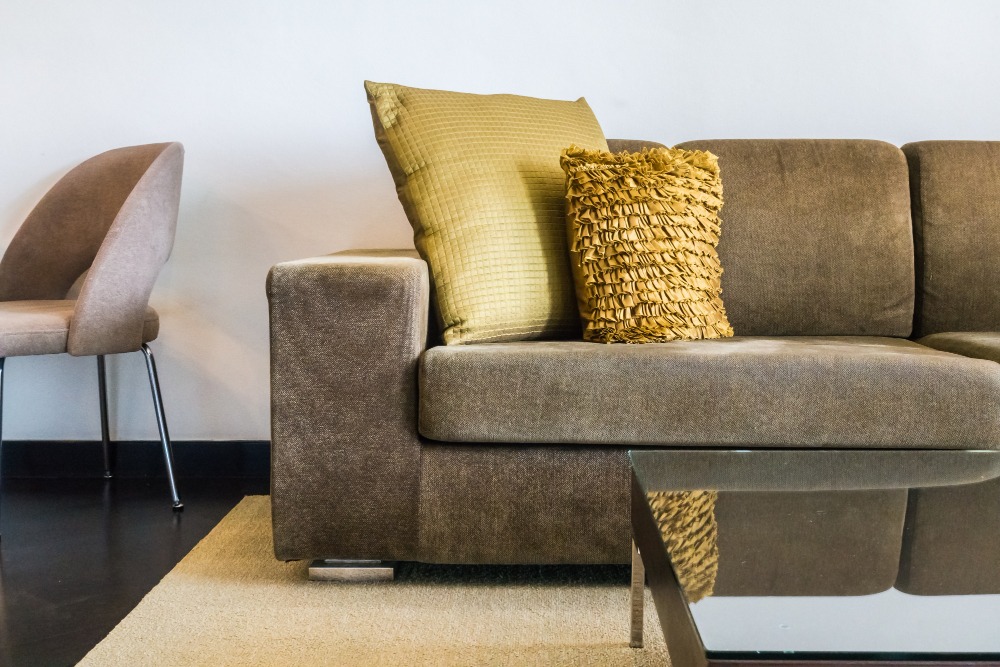
When you step into a living room, the sofa often commands attention. It anchors the space visually and offers a place to relax, socialize, and unwind. But beyond its role as a focal point, a sofa’s upholstery plays one of the most important roles in defining how comfortable, supportive, and visually appealing it is over time. Quality upholstery isn’t merely about a pretty fabric – it directly affects comfort, support, durability, and how well a sofa complements the rest of the room.
This is why choosing the right upholstery matters so much, and working with professionals like Yalla Upholstery can make a noticeable difference. From selecting durable materials to ensuring precise craftsmanship, expert upholsterers help create sofas that not only look great but also stand the test of time.
What Sofa Upholstery Really Is
Upholstery refers to all of the materials that cover a sofa’s structure, including the fabric or leather covering, the cushioning, padding, and sometimes the springs or webbing that contribute to comfort and support. These layers work together to cushion your body and provide resilience against everyday use. The combination of materials – from tightly woven fabric or leather to high‑density foams and internal support systems – determines how a sofa feels and performs in daily life.
Enhanced Comfort Through Quality Materials
Comfort is the first thing people notice about sofas. A good sofa with quality upholstery spreads weight evenly and feels nice to sit on. High-density foam or layered cushions keep their shape and stay soft for a long time. Outdoor cushions are also great for garden or patio sofas because they stay comfortable even in sun or rain. Sofas with poor upholstery can become flat or lumpy quickly, making them uncomfortable.
Cushion construction significantly impacts comfort. Layers of dense foam combined with softer padding, such as fiber wraps or down alternatives, provide a balance between softness and structural support. This layered design means the sofa feels plush while maintaining sufficient resistance so that you don’t sink too deeply, reducing pressure on joints and aiding relaxation.
Ergonomic comfort is also influenced by the sofa’s support system. Under the upholstery, springs or other support mechanisms help deliver a stable and springy feel that remains comfortable over time. A quality suspension system enhances the impression of comfort and avoids the “bottoming out” feeling common in cheaper sofas with inadequate internal support.
Support That Lasts
Beyond initial comfort, quality upholstery contributes to sustained support. Support refers to how well a sofa maintains proper seating posture and prevents excessive sinking. Materials used in upholstery – notably the density and resilience of foam – are directly linked to this. High‑density foams bounce back more effectively after use, maintaining consistent support even as the sofa ages.
Springs or supportive webbing beneath the cushions also play a role. They help distribute body weight across the seating surface, reducing strain on any one area. When combined with quality upholstery materials, this system ensures that a sofa remains supportive over years of use instead of degrading quickly and contributing to poor posture or discomfort.
Proper support is not only about softness but about how cushioning layers and internal structures manage compression and resilience. Over time, sofas with superior upholstery resist sagging and maintain their shape, which contributes to long‑term comfort and reduces the likelihood of needing frequent replacements.
Durability & Longevity
A major advantage of quality upholstery is durability. Upholstery fabric – whether natural fibers like cotton or linen, or performance textiles such as tightly woven synthetics – is engineered to withstand frequent use. Fabrics with higher abrasion resistance last longer without showing wear, pilling, or thread pulling, ensuring that the sofa remains visually appealing.
Quality upholstery cushions and padding also resist deformation. Lower quality foams and padding materials often collapse under repeated compression, leading to uneven surfaces and visible indentations. Higher‑quality foam with proper density resists this compression, which maintains both comfort and appearance over time.
The finishing and craftsmanship of the upholstery – including seam quality, stitch strength, and how tightly the fabric is applied – also influences durability. Well‑constructed seams and stable joins between materials prevent premature wear, ensuring that the sofa holds together better and looks good longer.
Aesthetic Impact on Your Living Room
While comfort and durability are crucial, the visual contribution of upholstery to your living room cannot be overstated. The choice of fabric or leather, along with its color, texture, and pattern, shapes the style and mood of the entire space.
Neutral tones and earthy colors have become popular for their ability to complement contemporary interiors and create a cohesive aesthetic. Meanwhile, performance fabrics with richer textures add depth and visual interest that make the sofa stand out as a centerpiece.
The upholstery also influences how other design elements in the room are perceived. A well‑upholstered sofa can balance bold décor, soften angular furniture lines, or reinforce minimalist design themes. Its texture and finish – smooth or textured, matte or lustrous – contribute to the room’s overall harmony.
Practical Benefits of High‑Quality Upholstery
High‑quality upholstery isn’t just about looks; it also brings practical advantages to everyday living. Many modern upholstery fabrics are designed with performance characteristics that resist stains, repel moisture, and minimize visible wear, making them ideal for homes with children or pets. This extends the life of the sofa and reduces the effort needed for cleaning and maintenance.
In addition, breathable fabric choices help regulate temperature, improving comfort across seasons. Breathability prevents heat trap against the body during warm weather and ensures a softer feel in cooler months. Functional upholstery enhances the sofa’s usability as a daily gathering spot for family and guests.
Customization and Personalization
Investing in quality upholstery allows homeowners to tailor sofas to their lifestyle and preferences. Options range from performance fabrics designed for high‑traffic living rooms to luxurious textiles that prioritize comfort and refined appearance. These customization choices ensure the sofa fits both functional needs and design objectives, making it a unique element of the home environment.
Maintenance & Care
Even the best upholstery benefits from proper care. Routine cleaning such as vacuuming and spot‑cleaning spills helps preserve the material and prevent premature wear. Following recommended care instructions based on the fabric type maximizes both comfort and longevity. This proactive maintenance protects the investment made in quality upholstery and keeps the sofa looking fresh for years.
Conclusion
Quality sofa upholstery plays a transformative role in how a living room looks and feels. It enhances comfort by using materials that cushion and support the body effectively, improves long‑term support through resilient inner structures, and ensures durability that withstands everyday use. Aesthetically, upholstery can elevate a room’s style, contribute to design cohesion, and provide both practical performance benefits and opportunities for personalization. By choosing well‑made upholstery materials and construction, homeowners invest not only in immediate comfort but in a piece of furniture that remains inviting, supportive, and visually appealing for many years.

Hey welcome to my blog . I am a modern women who love to share any tips on lifestyle, health, travel. Hope you join me in this journey!


Speak Your Mind