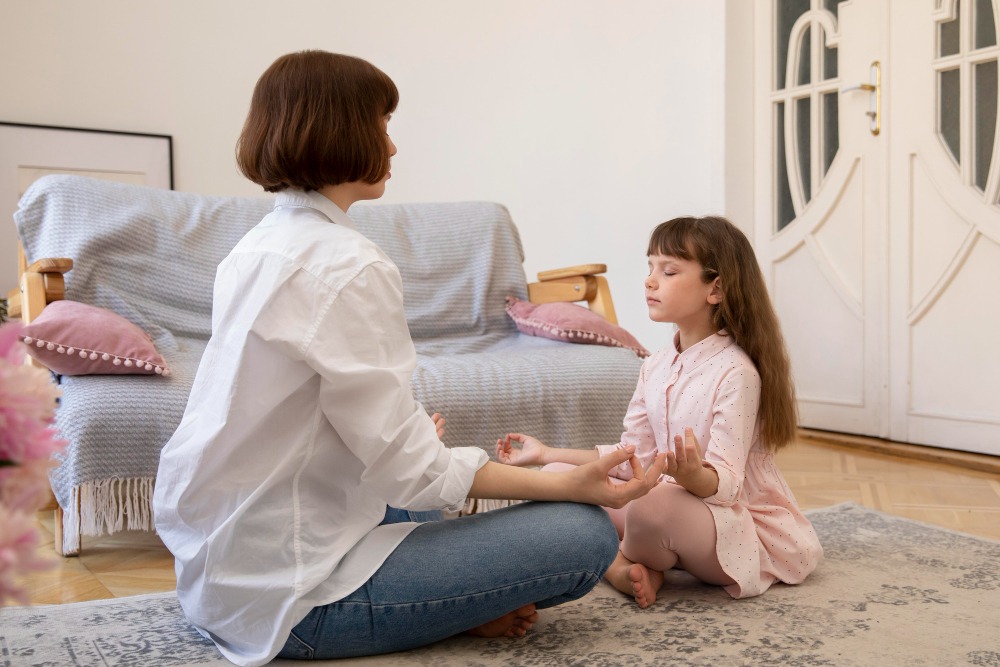
Childhood is full of learning, growth, and emotional development. While many children naturally adapt to everyday challenges, others may struggle with emotions, behavior, attention, relationships, or stressful situations. These difficulties can affect school performance, family life, friendships, and self-confidence. When parents notice these challenges, they often wonder what kind of support can truly help.
Mental therapy can be an important tool for children who need guidance, coping skills, and emotional support. It helps kids understand their feelings, build confidence, improve behavior, and develop healthy ways to manage everyday life.
For families who are unfamiliar with the process, learning how therapy works can make it easier to take the first step.
What Is Mental Therapy for Children?
Mental therapy for children refers to counseling or therapeutic support designed to help kids improve emotional well-being, behavior, and coping skills. It is tailored to a child’s age, personality, and developmental stage.
Unlike adult therapy, children’s therapy often includes:
- Play-based techniques
- Art or creative activities
- Conversation in age-appropriate language
- Problem-solving exercises
- Emotional regulation strategies
- Parent involvement and coaching
Therapy sessions are designed to feel safe, supportive, and engaging so children can express themselves comfortably.
Why Some Children Need Mental Therapy
Every child faces challenges from time to time. However, some children experience ongoing difficulties that interfere with daily functioning.
A child may benefit from therapy if they struggle with:
- Anxiety or constant worry
- Frequent anger or emotional outbursts
- Sadness or withdrawal
- Difficulty making friends
- Low self-esteem
- Trouble adjusting to divorce or family changes
- Attention and focus issues
- Stress related to school
- Grief or trauma
- Behavioral challenges at home or school
Mental therapy gives children tools to understand what they are feeling and how to respond in healthier ways.
How Therapy Helps With Everyday Life
The biggest benefit of therapy is that it teaches practical skills children can use every day. These skills often improve home routines, classroom success, and social relationships.
1. Managing Emotions
Many children feel emotions intensely but do not know how to express them. This can lead to yelling, crying, shutting down, or aggression.
Therapy helps children:
- Identify emotions
- Name what they are feeling
- Understand triggers
- Learn calming strategies
- Communicate needs clearly
As emotional awareness grows, children often become calmer and more confident.
2. Improving Behavior at Home
Parents sometimes see behavior problems as defiance when the real issue may be stress, frustration, or difficulty regulating emotions.
Mental therapy can help children:
- Follow routines more consistently
- Handle transitions better
- Reduce tantrums or meltdowns
- Use words instead of acting out
- Build respect and cooperation
This often creates a more peaceful home environment for the entire family.
3. Helping Kids Succeed in School
Emotional health affects academic performance more than many people realize. Anxiety, low confidence, stress, or attention problems can make school much harder.
Therapy may support children by helping them:
- Manage test anxiety
- Improve focus
- Build confidence in class
- Handle peer conflict
- Ask for help when needed
- Reduce school avoidance
When children feel emotionally secure, learning often becomes easier.
4. Building Healthy Friendships
Friendships are an important part of childhood. However, some children struggle with social cues, sharing, conflict resolution, or feeling accepted.
Therapy can teach children how to:
- Start conversations
- Read social signals
- Take turns
- Handle disagreements respectfully
- Build empathy
- Feel more comfortable in groups
These skills can lead to stronger friendships and less loneliness.
Everyday Examples of Therapy in Action
Sometimes parents understand therapy best through real-life examples.
Example 1: Morning Anxiety
Before Therapy: A child cries before school every day and complains of stomachaches.
After Therapy: The child learns coping strategies, breathing techniques, and how to talk about worries, making mornings calmer.
Example 2: Anger at Home
Before Therapy: Small frustrations lead to yelling or throwing objects.
After Therapy: The child learns how to pause, identify feelings, and ask for help appropriately.
Example 3: Trouble Making Friends
Before Therapy: A child feels left out and avoids social settings.
After Therapy: Improved confidence and communication skills help the child connect with peers.
Example 4: Low Confidence
Before Therapy: The child says, “I’m bad at everything.”
After Therapy: Positive thinking tools and emotional support help the child develop healthier self-esteem.
Why Early Support Matters
Many parents hope children will simply outgrow emotional struggles. While some challenges improve naturally, others become harder over time if left unaddressed.
Early therapy can help children:
- Develop coping skills sooner
- Prevent patterns from worsening
- Improve family relationships
- Build resilience early in life
- Gain confidence before challenges grow larger
Seeking help early does not mean something is wrong with your child. It means you are supporting their development in a healthy and proactive way.
How Parents Benefit Too
When a child struggles emotionally, the whole family feels it. Parents may feel overwhelmed, confused, or unsure how to help.
Mental therapy often includes parent guidance that can make a big difference.
Parents may learn how to:
- Respond calmly during emotional moments
- Set healthy boundaries
- Improve communication
- Support routines at home
- Reinforce coping skills
- Reduce family stress
As children improve, family life often becomes smoother and more connected.
What Happens During a Therapy Session?
Children’s therapy sessions look different depending on age and needs. Younger children may use play, storytelling, or drawing. Older children may talk more directly about thoughts and emotions.
Sessions often focus on:
- Feelings identification
- Problem-solving
- Social skills
- Stress management
- Emotional regulation
- Building confidence
- Family communication strategies
Therapists create a comfortable space where children feel heard and supported.
Families searching for Pediatric mental therapy in North Mayfair, IL often value providers who understand both child development and the emotional needs of growing children.
Signs Your Child May Need Extra Support
Every child has difficult days, but ongoing patterns may signal a need for therapy.
Consider speaking with a professional if your child:
- Seems anxious most days
- Has frequent meltdowns
- Withdraws from friends or family
- Shows major mood changes
- Struggles after a life event
- Has persistent anger or irritability
- Talks negatively about themselves
- Avoids school regularly
- Has trouble sleeping due to stress
Trusting your instincts as a parent is important.
How to Support Mental Wellness at Home
Therapy works best when healthy habits continue at home. Parents can help by creating an emotionally supportive environment.
Try to:
- Keep routines consistent
- Encourage open conversations
- Validate feelings without judgment
- Model calm behavior
- Praise effort and progress
- Limit overwhelming schedules
- Prioritize sleep and physical activity
Small daily habits often strengthen the progress made in therapy.
Breaking the Stigma Around Therapy
Some families hesitate because they worry therapy means something is seriously wrong. In reality, therapy is simply support. Just as children may need tutoring for academics or coaching for sports, some need guidance for emotions and mental wellness.
Therapy teaches life skills children can use for years to come.
It is not about labeling a child. It is about helping them grow.
Long-Term Benefits of Mental Therapy
Children who receive the right support often carry those benefits into adolescence and adulthood.
Long-term benefits may include:
- Stronger emotional intelligence
- Better coping skills
- Healthier relationships
- Improved confidence
- Better stress management
- Greater independence
- Stronger communication skills
These are lifelong tools that matter far beyond childhood.
Final Thoughts
Mental therapy can help children in everyday life by improving emotional balance, behavior, confidence, relationships, and resilience. Whether a child is dealing with anxiety, frustration, sadness, social struggles, or stress, therapy can provide healthy strategies that make daily life easier and more enjoyable.
For parents, it offers reassurance and practical support. For children, it creates a safe place to learn, grow, and feel understood.

Hey welcome to my blog . I am a modern women who love to share any tips on lifestyle, health, travel. Hope you join me in this journey!


Speak Your Mind