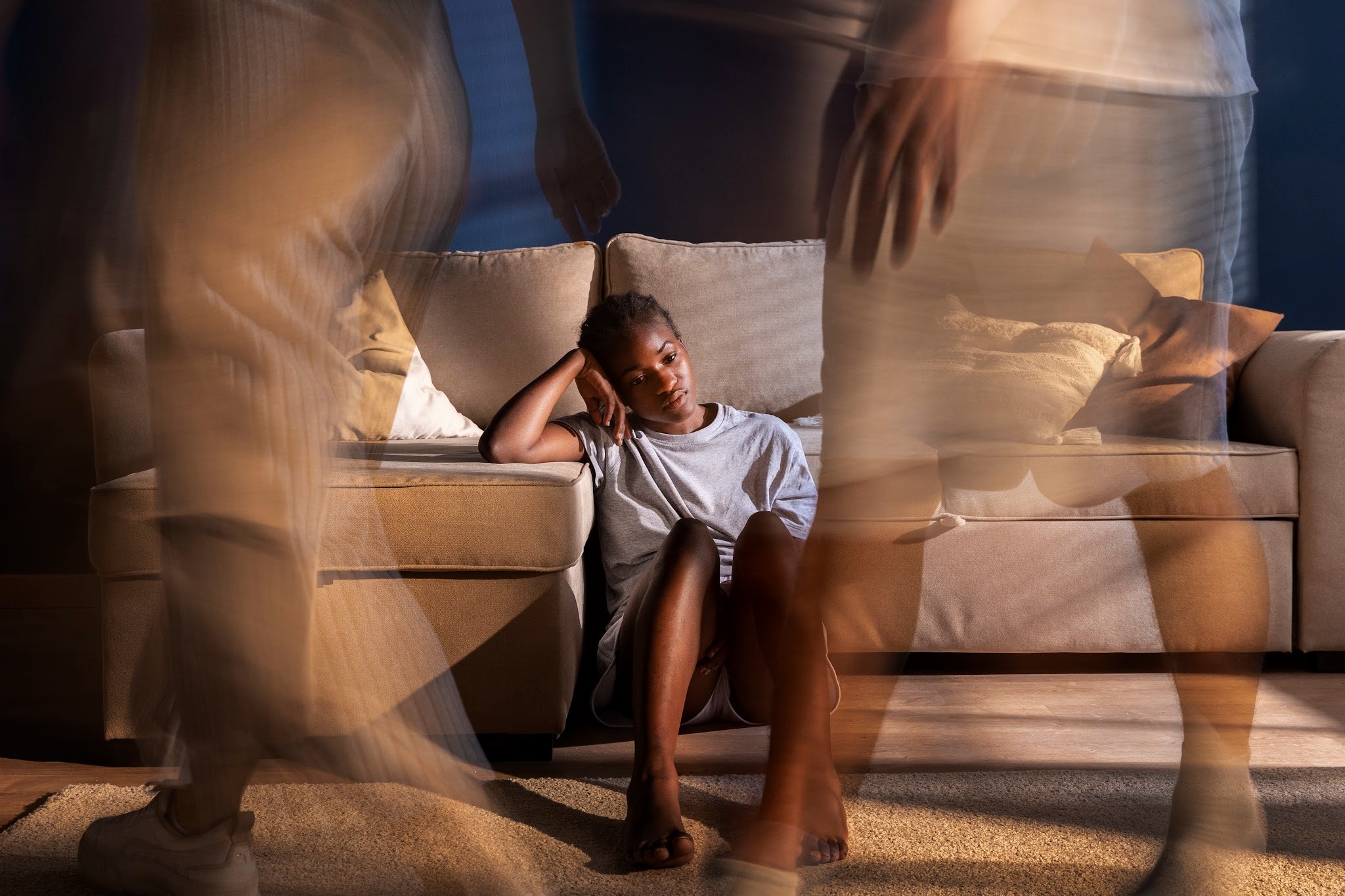
Many people think addiction begins with a bad decision or a lack of self control. While that is true, this is not always the case for a few individuals, as their story starts much earlier than that, sometimes long before drugs or alcohol ever enter the picture.
Childhood experiences shape how people handle stress, relationships, emotions, and pain later in life. When those early years involve neglect, instability, or emotional harm, the effects often stay much longer than expected. In many cases, substances become less about chasing pleasure and more about trying to escape emotions that were never fully processed.
1. Childhood Trauma Changes Emotional Coping
Children who grow up in stressful or unhealthy environments usually learn survival habits very early. Some become emotionally withdrawn, while others constantly stay on edge because they never fully feel safe.
The difficult part is that those emotional patterns often continue into adulthood. This is why people may struggle with trust, self worth, emotional regulation, or constant stress without always realizing those issues are connected to childhood experiences.
As time goes on, drugs or alcohol can start feeling like a temporary relief from emotions that feel too overwhelming to manage naturally. What begins as an occasional escape can slowly become dependence because the underlying emotional pain never truly disappears on its own.
2. Addiction Is Connected to Unresolved Pain
One thing people misunderstand about addiction is that it is not always driven by the substance itself. Sometimes the deeper issue is emotional pain that someone has been carrying for years without knowing how to handle it properly.
This is why recovery programs, therapy, and trauma treatment connected to places like Banyan Treatment often focus heavily on emotional healing alongside addiction recovery. They do this because treating addiction without addressing the deeper emotional wounds usually leaves important problems unresolved.
In addition, people who experienced childhood trauma may carry feelings of shame, fear, abandonment, or emotional numbness into adulthood, which is why substances sometimes become a way to temporarily silence those feelings, even though the relief never truly lasts.
3. Trauma Can Affect Relationships and Mental Health
Childhood trauma rarely affects only one part of a person’s life; it also influences relationships, confidence, communication, and mental health all at once. Some people struggle to feel emotionally safe around others, while some constantly fear rejection or abandonment. All of these traits also lead to the development of anxiety, depression, anger issues, or emotional detachment that becomes difficult to manage as you grow older.
When those emotional struggles go untreated, addiction can slowly become part of how someone copes with daily life. In many situations, substances are used less for enjoyment and more for emotional escape or temporary comfort.
4. Recovery Requires More than Sobriety
Another reason addiction can become so difficult is that stopping the substance does not automatically heal the emotional damage that has already been done, because once the distraction appears, unresolved emotions become more noticeable.
That is why therapy plays an important role during recovery, as victims need to understand how past experiences have shaped their coping habits, emotional reactions and behaviors. It is also crucial to understand that healing from trauma is usually a gradual process, which is why it involves learning healthier ways to manage emotions instead of constantly avoiding them.
Endnote
Childhood trauma can quietly shape emotional patterns for years, influencing how you respond to stress, relationships and pain long before addiction ever develops. Understanding that connection matters because real recovery begins when people stop treating it as a bad habit and start recognizing the deeper emotional struggles underneath it.

Hey welcome to my blog . I am a modern women who love to share any tips on lifestyle, health, travel. Hope you join me in this journey!

Speak Your Mind