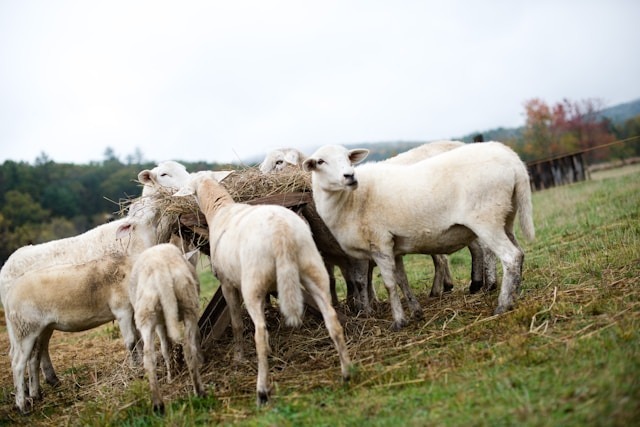
Essential animal care tools for small family farms include feeding equipment, health and grooming supplies, fencing systems, cleaning tools, and livestock handling gear. The right tools help farmers keep animals healthy, improve daily efficiency, and create a safer working environment for both livestock and caretakers.
Running a small family farm often means managing several tasks at once with limited time and resources. Reliable equipment makes routine care easier, reduces stress on animals, and helps prevent avoidable health and safety issues. Farms that involve children can also benefit from activities that encourage learning about livestock and responsibility, much like the ideas shared in Farm Animal Play: Inspiring Creativity and Curiosity in Children. From feeding systems to grooming tools and secure fencing, the right setup can make daily farm operations smoother and more productive.
Feeding and Watering Equipment
Reliable feeding and watering equipment is the foundation of good livestock care. Feed troughs, hay feeders, and heavy-duty buckets help keep feeding areas organised while reducing wasted feed. Choose equipment that is easy to clean and durable enough to handle outdoor conditions year-round.
Clean water is just as important as quality feed. Automatic waterers can save time and ensure animals have access to fresh water throughout the day. Check water systems daily for leaks, dirt, or algae buildup. During colder months, heated water buckets can prevent freezing and keep animals hydrated.
Portable feeding tools are especially useful on small family farms with rotating grazing areas or multiple animal types. Lightweight buckets and movable feeders make daily chores more flexible and efficient. Place feeders on dry ground to reduce mud and contamination, and inspect all equipment regularly for cracks or sharp edges that could injure livestock.
Health and Grooming Essentials
Good health and grooming routines play a major role in animal welfare and farm productivity. Regular care helps animals stay comfortable, reduces the risk of disease, and allows farmers to catch small health problems before they become serious. Proper nutrition and preventative care also support long-term animal wellness, similar to the healthy care habits discussed in National Pet Wellness Month – How To Keep Your Pet Healthy?
- Keep a livestock first aid kit stocked with bandages, antiseptic spray, gloves, and wound care supplies.
- Use grooming brushes regularly to remove dirt, loose hair, and external parasites.
- Invest in quality hoof trimmers and reliable sheep shearing clippers to make routine maintenance safer and more efficient.
- Monitor animal health with digital thermometers and regular body condition checks.
- Clean and disinfect grooming tools after use to help prevent the spread of bacteria and disease.
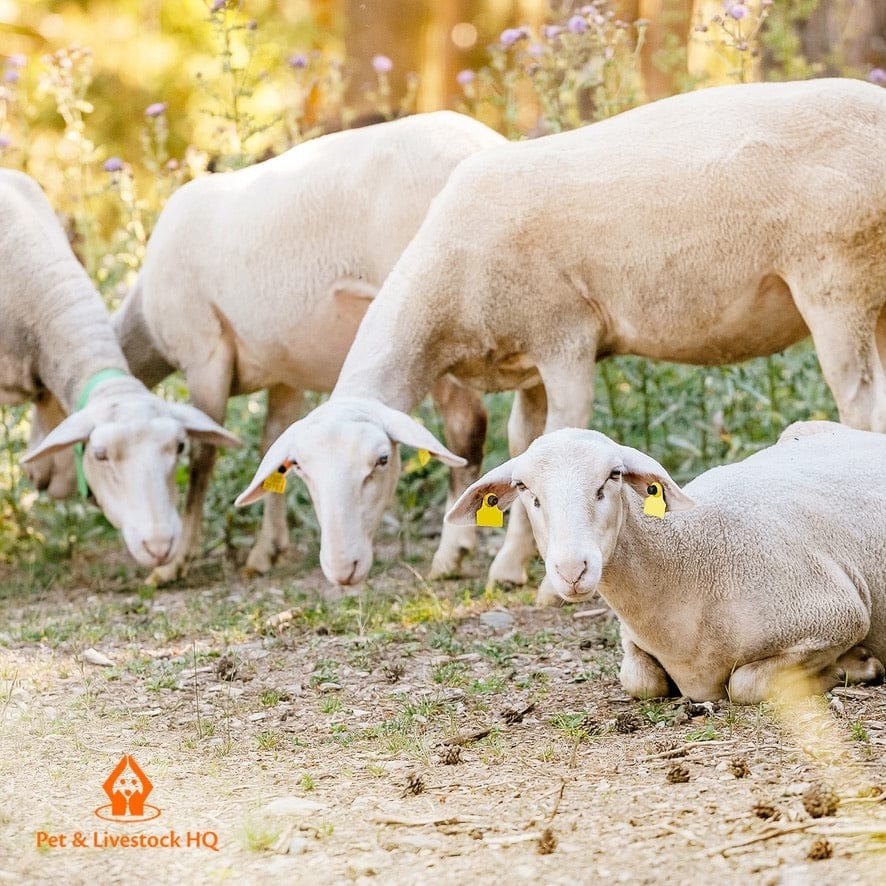
Consistent health and grooming practices can prevent costly problems later on. Investing in dependable care tools helps animals stay healthier while making day-to-day farm management more manageable and efficient.
Fencing and Animal Containment Tools
Strong fencing is essential for keeping livestock safe and preventing animals from wandering into unsafe areas. Electric fencing systems are a popular choice for small family farms because they are cost-effective and relatively easy to install. Use fence testers regularly to confirm the system is working correctly, and clear weeds or tall grass around the fence line to avoid power loss.
Gates, panels, and portable enclosures make animal movement easier during feeding, pasture rotation, or routine care. Choose sturdy materials that can handle daily use and changing weather conditions. Check hinges, latches, and posts often for signs of rust or wear to avoid unexpected failures.
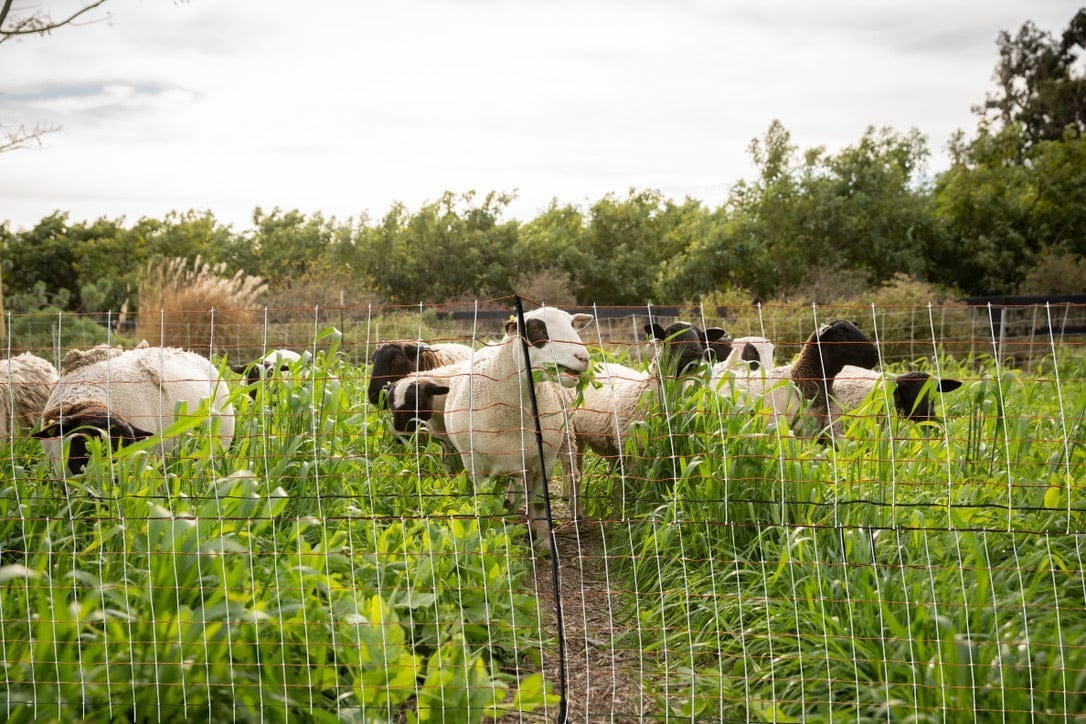
Fence repair tools should always be easy to access on the farm. Keep extra wire, posts, insulators, and repair kits stored in a dry location for quick fixes when needed. Walking fence lines weekly can help identify loose sections or storm damage before it becomes a larger problem.
Handling and Safety Gear
Proper handling and safety gear protects both farmers and livestock during everyday tasks. Small family farms often involve close interaction with animals, so having the right equipment helps reduce stress, prevent injuries, and improve overall control. Safe handling practices also make feeding, treatment, transport, and routine care far more efficient.
- Use halters and lead ropes to guide animals safely during movement and inspections.
- Wear durable gloves and steel-toe boots to protect against kicks, cuts, and heavy equipment.
- Keep livestock handling panels and sorting gates in good condition for safer animal control.
- Use transport crates or trailers designed for the specific size and type of animal.
- Store safety gear in a clean, dry space so it remains ready for daily use.
Reliable handling tools and protective gear make farm work safer and more manageable. Regular equipment checks and proper use can reduce accidents while creating a calmer environment for both animals and caretakers.
Conclusion
Having the right animal care tools can make daily farm work more efficient and far less stressful. Feeding equipment, grooming supplies, fencing systems, and safety gear all contribute to healthier livestock and smoother day-to-day operations. Even small upgrades in equipment can save valuable time and reduce long-term maintenance costs.
Small family farms benefit most from tools that are durable, practical, and easy to maintain. Regular inspections and proper storage will extend the life of farm equipment while improving overall farm safety. By investing in reliable animal care essentials, farmers can create a healthier and more productive environment for both their animals and their families.

Hey welcome to my blog . I am a modern women who love to share any tips on lifestyle, health, travel. Hope you join me in this journey!


Speak Your Mind