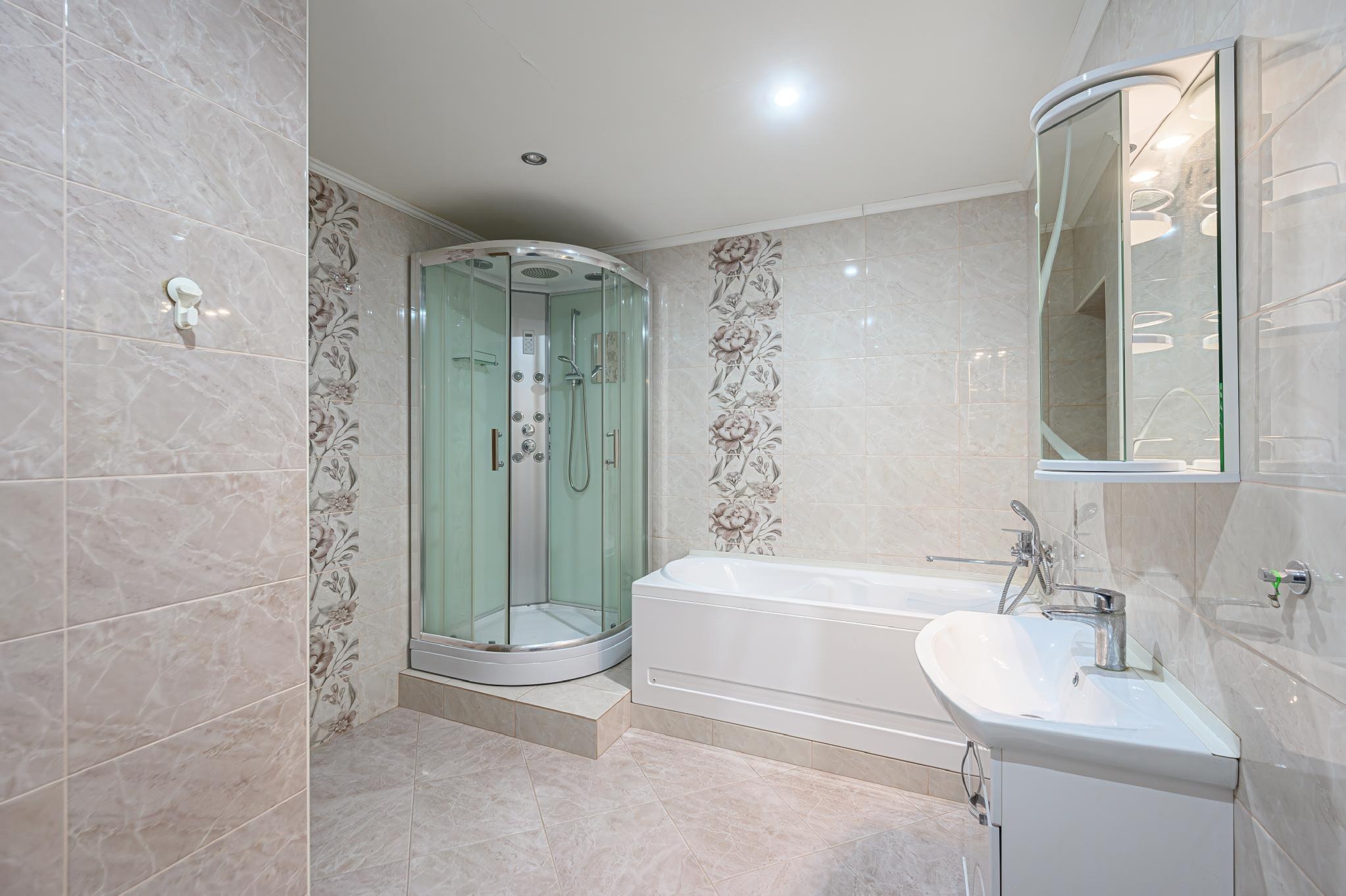
Your Bathroom Corners Are More Valuable Than You Think
Compact — that’s the honest description of most bathrooms. Ensuites squeezed between 3m² and 5m² leave fixtures fighting for every spare centimetre.
Nail the corner ideas, though, and that neglected angle becomes the hardest-working spot in the whole room. Where two walls meet and share the load, fixtures can be tucked away — freeing up the straight runs for traffic, towel rails, and door clearance. Smart placement can reclaim 0.3m² to 0.5m² of usable floor in a small bathroom — modest on paper, yet the difference hits you the moment you walk in.
Storage is the obvious first move — cheapest upgrade in the room, and the least disruptive too.
Picking the Right Corner Storage for Your Bathroom
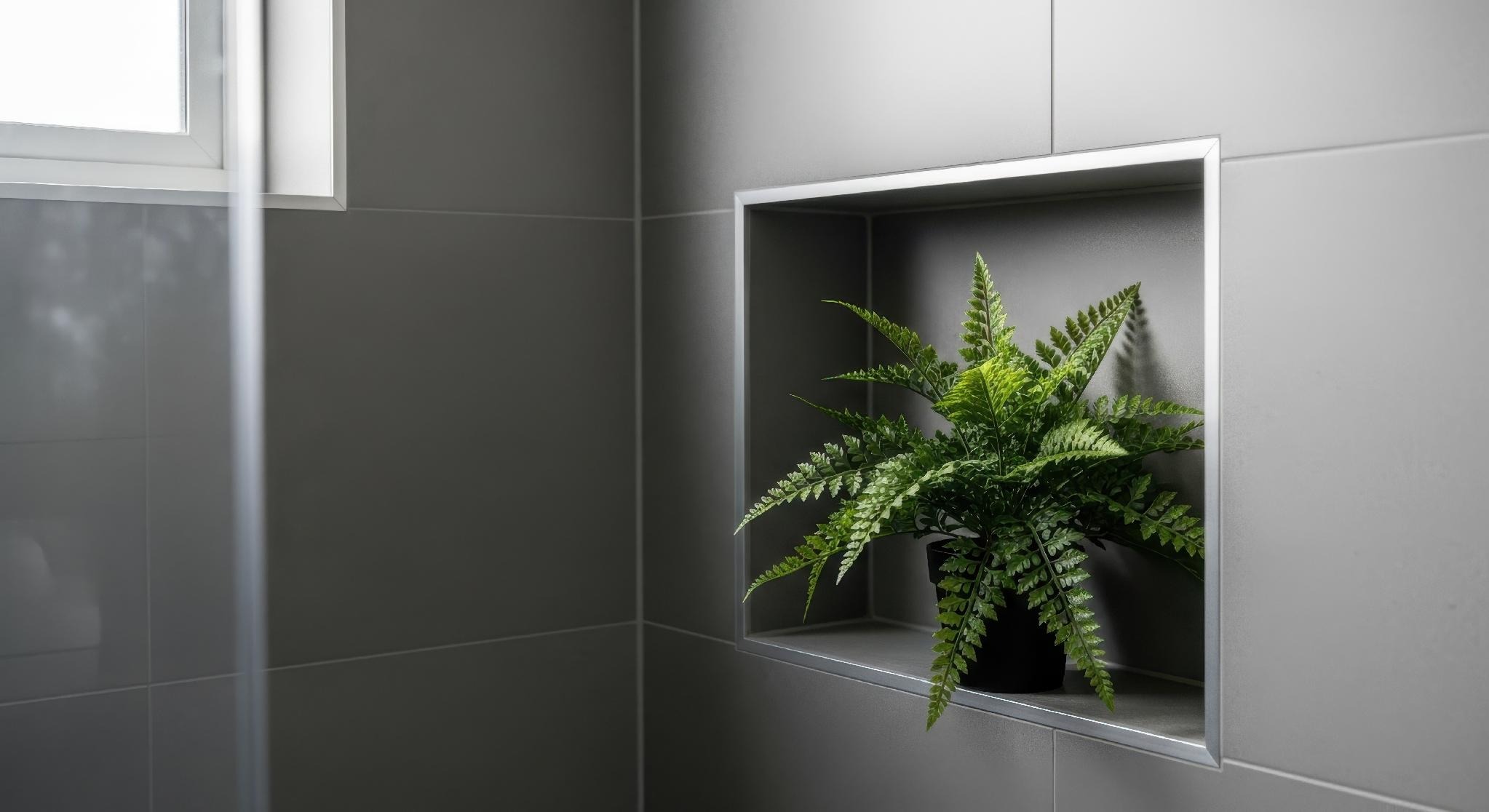
Corner storage is the logical starting point, and the options are better than most people expect. A recessed corner niche tiled flush with the shower wall is tough to beat — zero visual bulk, and full-size shampoo bottles slot right in. The standard niche runs 300mm wide by 300mm tall — just make sure you spec 200mm depth or your bottles will topple. You’ll need a licensed waterproofer on this one — that membrane cannot be touched during the install.
Another option worth considering: freestanding corner towers. These work best in a main bathroom or a decent-sized ensuite. PVC over MDF, every time — PVC is genuinely waterproof, MDF is not, and a bathroom shows no mercy to anything that soaks up moisture.
A wall-hung corner cabinet sits neatly above the toilet or beside the vanity, with basic units. Locate a stud before you fix anything to the wall — proper backing is non-negotiable for anything heavier than a towel ring.
Corner Shower Enclosures: Sizes, Specs, and Key Things to Know Pre-Install
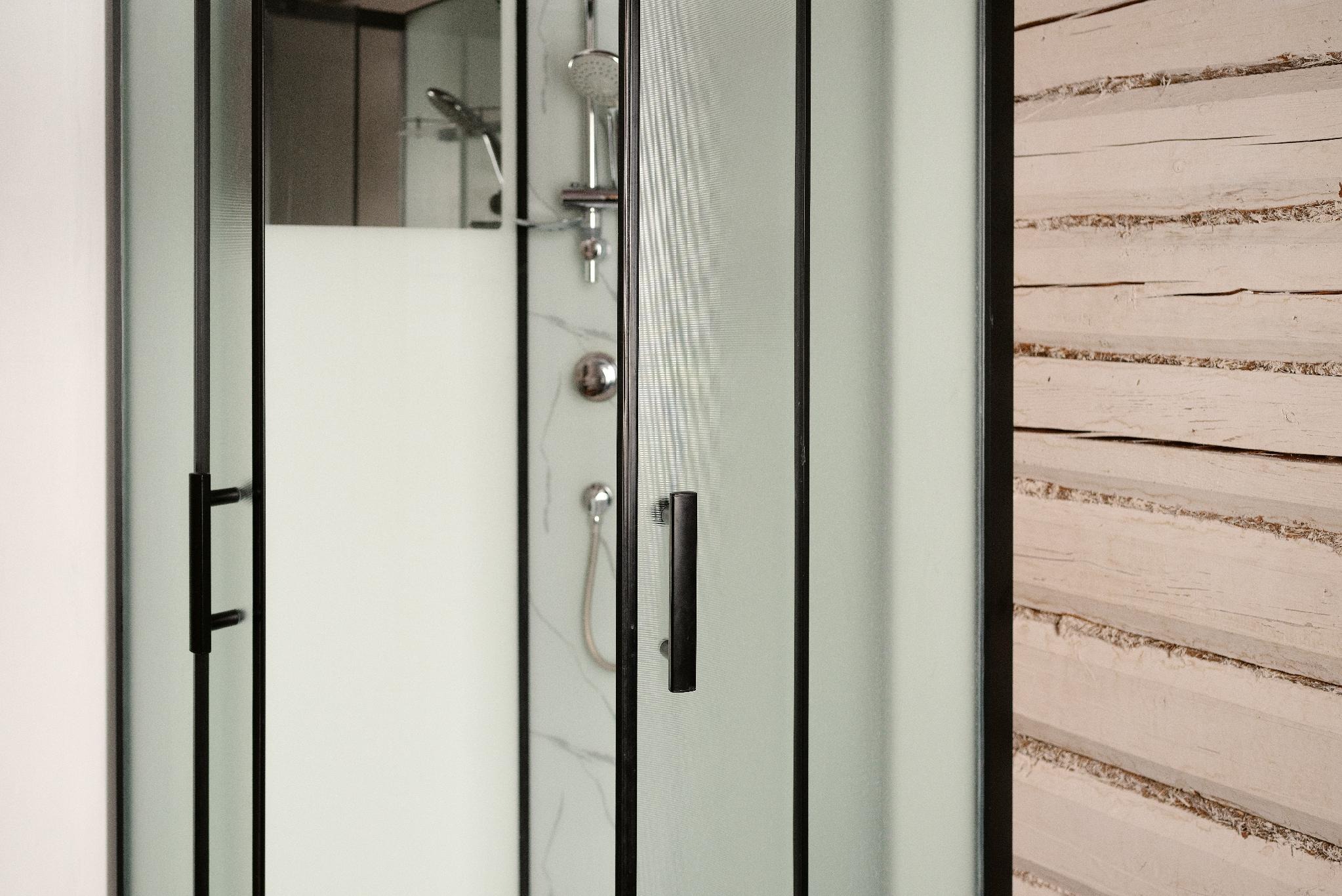
Two glass panels at 90 degrees form the L-shape corner shower screen, available in standard sizes: 900×900mm, 1000×1000mm, and 1200×900mm. For an ensuite under 4m², most people default straight to the 900×900mm. The 1000×1000mm is worth the upgrade — genuine comfort, and the floor area hit is minimal.
Glass thickness matters. A framed screen handles 6mm toughened glass just fine, but go semi-frameless or frameless and you’re looking at 10mm minimum. Check the glass for its permanent compliance marking before you accept the install.
Here’s something that catches people out: the base and drain aren’t included with the shower screen — those are separate purchases. Waterproofing the shower floor and walls to 1800mm above the floor substrate is a legal requirement. In most places, a licensed tradesperson must handle the enclosure install, and a licensed waterproofer must take care of the waterproofing — full stop.
The Corner Vanity: Making That Angle Work
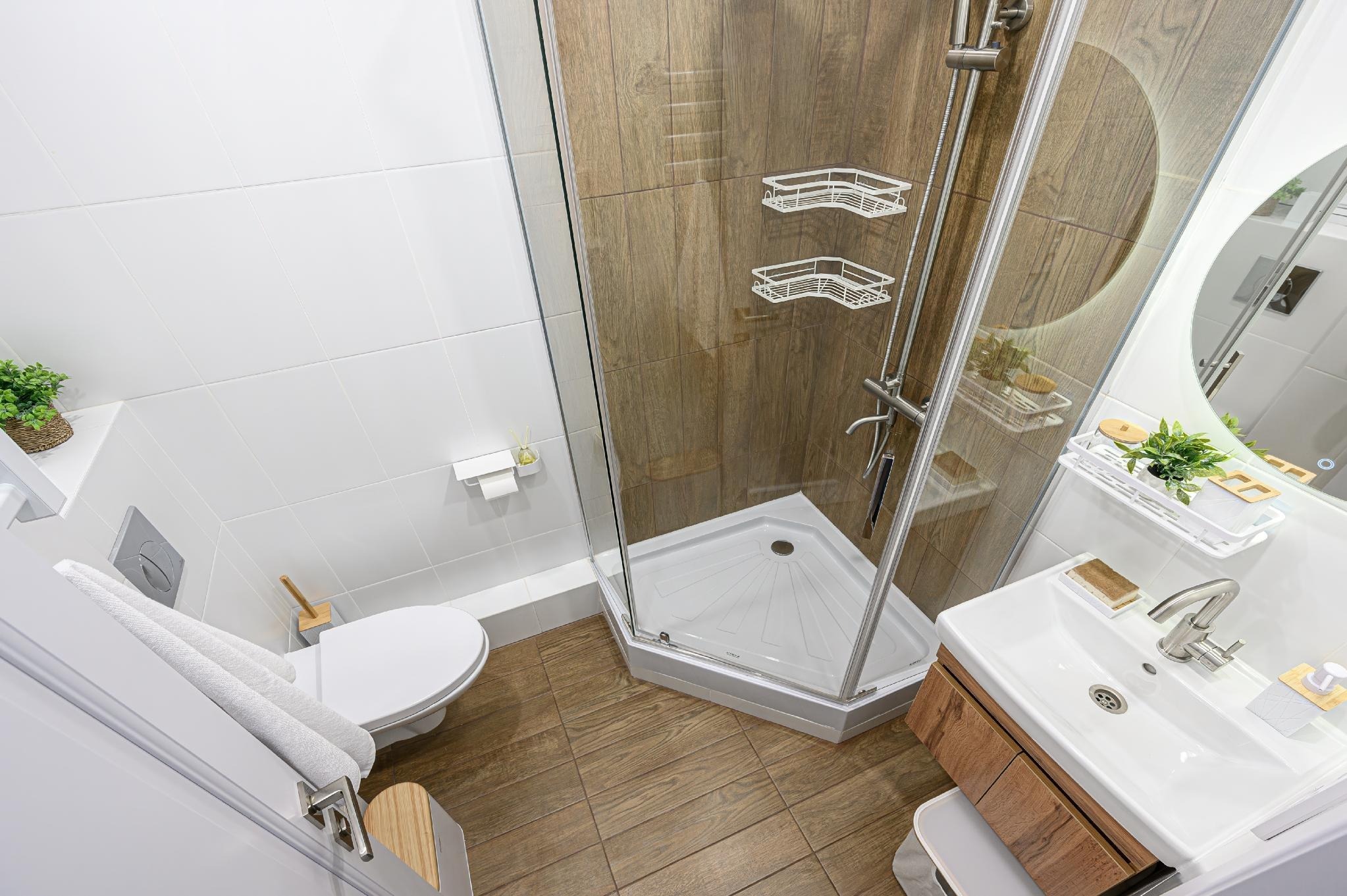
The advantage of placing a vanity in corner is that it opens up the straight walls, freeing them for towel rails, mirrors, or other hardware. A vanity in corner placement makes the most of the space when the remaining straight walls are required for toilet placement or to allow a door to swing.
Corner vanity units vary in diagonal face measurement from 600mm to 900mm wide, rather than sitting flush to a straight wall. Note that basin mixer and drain fittings are not included with the cabinet.
Plumbing a vanity in corner position requires careful planning of waste and water supply lines along the diagonal run — engage a licensed plumber early in the design stage.
Corner Bathtub Options: Sizing, Costs and Practical Considerations
A tub corner installation involves setting the bath into a tiled corner to create a focal feature for the bathroom. Corner bathtub footprints generally range between 1200×1200mm and 1500×1500mm, so if your bathroom is not at least 6m² you are unlikely to be able to incorporate one.
Construction varies by model but is generally acrylic supported by fibreglass, which is practical and relatively lightweight. Stone resin corner baths offer a luxury finish but weigh significantly more — check that your floor has the capacity to support the weight, especially in older homes. And will require a licensed plumber for the jets and a licensed electrician to wire the pump.
Walls surrounding a tub corner installation must be water-resistant to at least 150mm above the vessel. Tiling the surround hob and walls with porcelain or mosaic tiles rated for slip resistance gives the best visual result while keeping the area safe.
Each of these corner ideas will suit a different bathroom size and requirement — involve a licensed plumber and waterproofing specialists from the beginning, and you will have your bathroom’s busiest and best-loved corners working hard for you.

Hey welcome to my blog . I am a modern women who love to share any tips on lifestyle, health, travel. Hope you join me in this journey!


Speak Your Mind