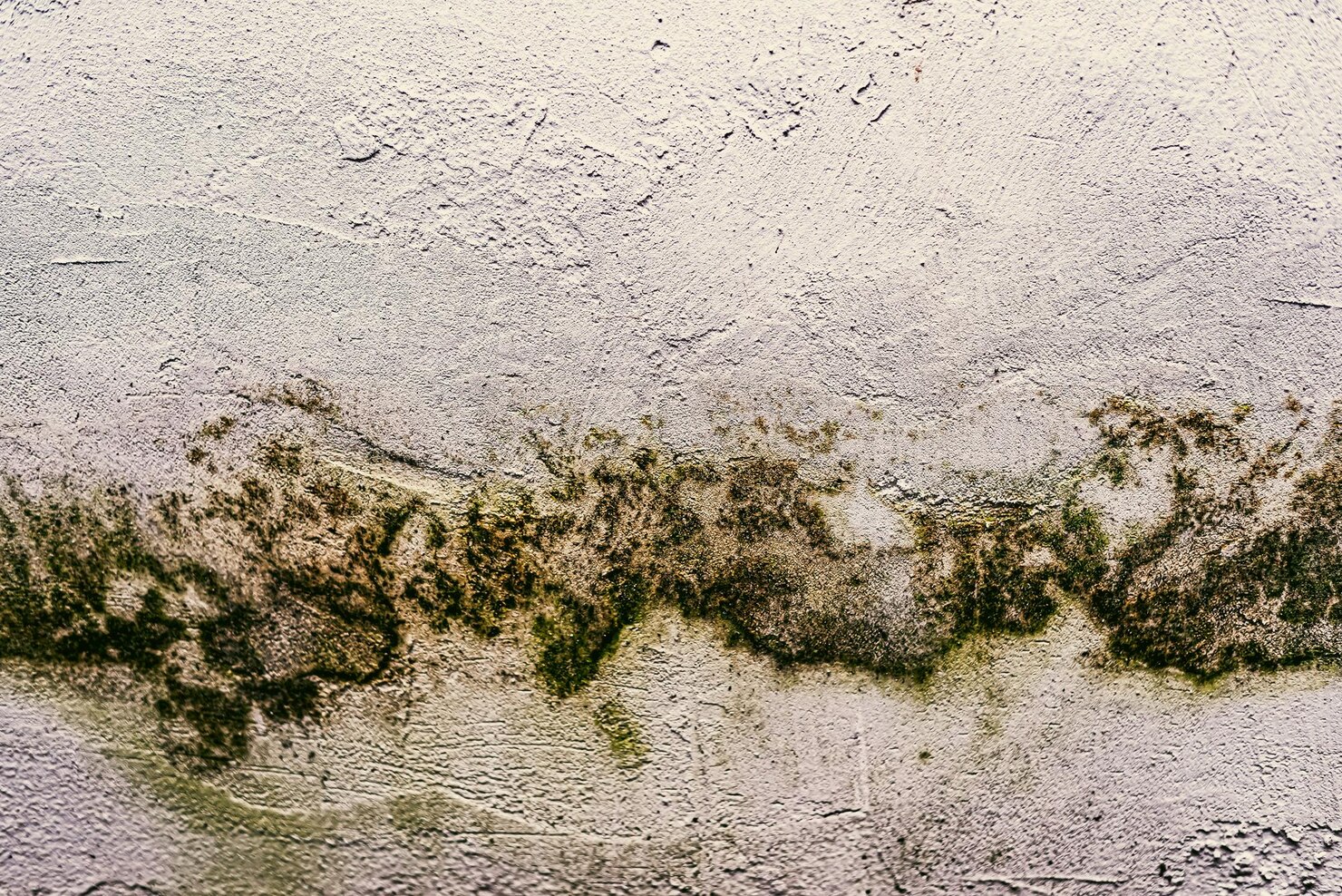
Every home has one. The corner of the bathroom ceiling. The patch behind the wardrobe in the box room. The window that runs with water every morning from October onwards. You wipe it, paint over it, push the chest of drawers back against the wall and forget about it until spring.
Here is the awkward part. Damp is not one problem, it is at least six, and they look almost identical while needing completely different fixes. Working out which type of damp you are dealing with before you spend a penny is the most useful hour you can put in, because the wrong remedy is worse than no remedy at all. Plenty of families have paid four figures for a damp proof course when what they actually had was a blocked gutter.
The three you are most likely to meet
Condensation is far and away the most common, and the most misdiagnosed. Warm wet air meets a cold surface, turns back into water, and settles on windows, external walls and the corners nobody looks at. It is a ventilation problem, not a structural one.
Rising damp is rarer than the internet would have you believe. Moisture travels up through the wall from the ground because the damp proof course has failed or never existed. Penetrating damp is water coming in from outside, through cracked render, a slipped tile, a gutter that has been overflowing quietly for two winters.
A quick way to narrow it down
Before you ring anybody, spend ten minutes with a torch and work through this list. It gets most people to the right answer.
- Water on the windows every morning, black speckled mould in corners and behind furniture, a musty smell. Condensation. Almost certainly.
- A tide mark running up the wall to roughly a metre, wallpaper lifting at skirting level, crumbling plaster. Rising damp, and worth a proper survey.
- A patch that darkens after heavy rain and fades again in dry spells. Penetrating damp. Go outside and look up at the gutters.
- Damp near a bathroom, a kitchen, or directly under an upstairs pipe run. A leak. Not a damp problem at all, a plumbing one.
- White powdery deposits on the wall and a patch that never fully dries out. Salts in the plaster holding moisture from an old, already fixed leak.
- New build or recently plastered, and the patches are shrinking week by week. The building is drying out. Leave it alone and ventilate.
Why it always seems worse in winter
Because it is. A family of four puts a surprising amount of water into the air every day. Showers, cooking, the kettle, breathing, and above all the washing draped over every radiator from November to March.
Add windows that stay shut because it is freezing outside, and heating that runs low to keep the bills down, and you have built a near perfect condensation machine. Then we wonder why the mould comes back.
What actually helps
Ventilation beats everything else, and it costs nothing. Leave the extractor fan running fifteen minutes after a shower rather than switching it off with the light. Open the trickle vents in the window frames, which a remarkable number of people never have. Crack a window while cooking.
Pull furniture a few centimetres off external walls so air can move behind it. Steady background heat works far better than blasting the heating for an hour in the evening, because it is cold surfaces that cause the problem. And if you have nowhere to dry washing, a cheap dehumidifier will do more good than any anti mould paint.
The bit worth taking seriously
Government housing figures suggest a large number of children in England are living in homes affected by damp and mould, with rates considerably higher in rented properties than owner occupied ones. Persistent mould in a bedroom is not just a decorating annoyance, so treat a child’s room as the priority if you can only tackle one space.
That said, do not panic. Most household damp is condensation, and condensation responds to better airflow within weeks.
When it stops being a job you can do yourself
If you have fixed the ventilation properly and the same patch is back six months later, something structural is going on. Get an independent survey, ideally from a surveyor who does not also sell damp treatments, because the person diagnosing the problem should not be the person quoting for it.
And if it does turn out to be serious, damp does not make a house unsellable. It makes it harder to sell in the usual way, which is different. Buyers price in uncertainty far more harshly than a builder’s quote, so a proper diagnosis in writing is often worth more than the repair itself.
About the author
Paul Gibbens – Property Expert at Housebuyers4u
He is a property expert at Housebuyers4u, advising UK homeowners on quick house sales, realistic valuations and how to avoid common pitfalls such as unclear fees, hidden option agreements and last-minute price changes.

Hey welcome to my blog . I am a modern women who love to share any tips on lifestyle, health, travel. Hope you join me in this journey!


Speak Your Mind