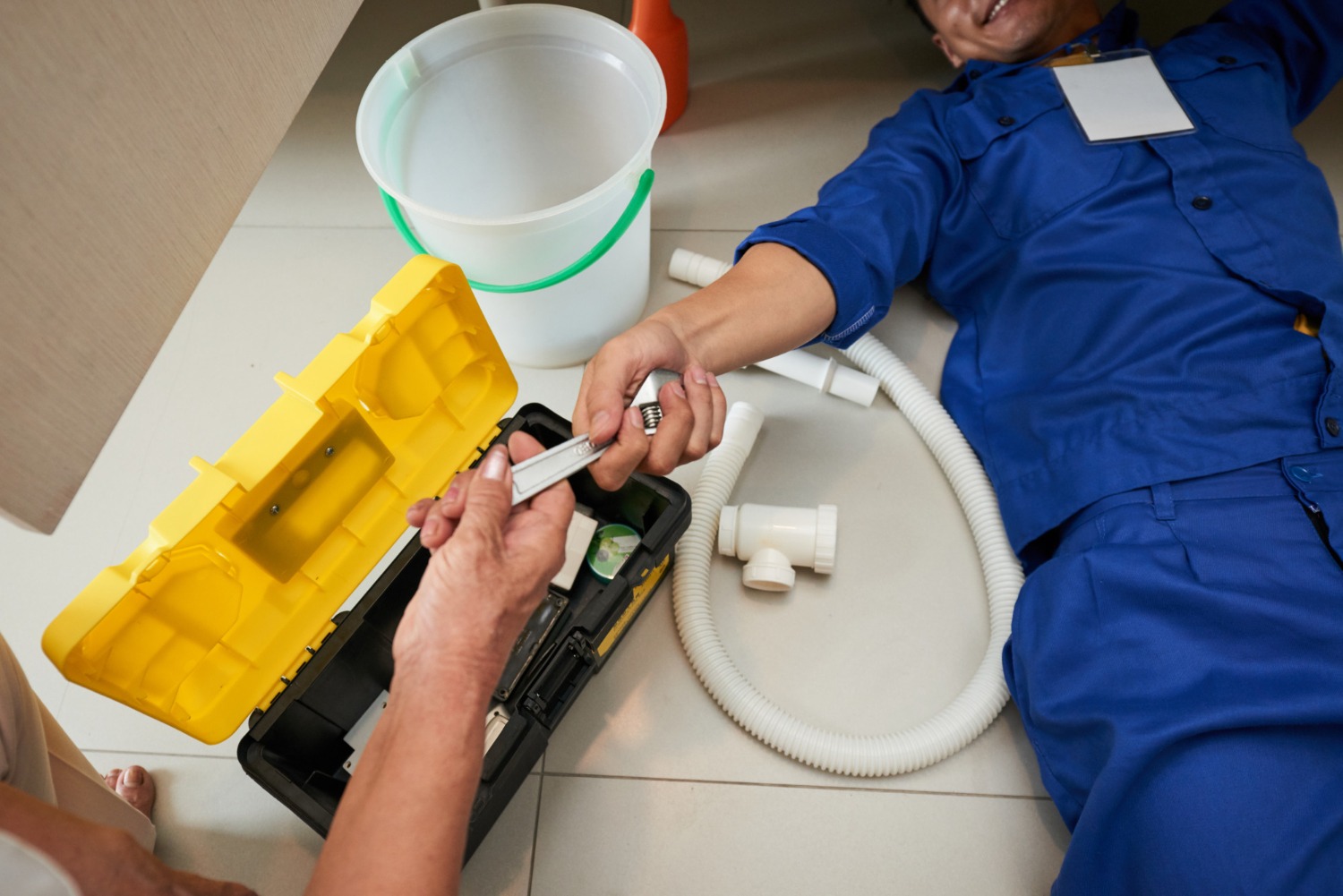
Plumbing affects far more than convenience. Clean water, safe drainage, temperature control, and pressure balance all influence occupant health and building performance. A minor leak can damage insulation, flooring, or electrical systems before visible signs appear. Commercial failures may disrupt service, compromise sanitation, or necessitate temporary closure. Skilled plumbers assess the source, select suitable materials, and complete repairs that protect people, property, and daily operations.
One Service for Different Properties
Property owners often need one plumbing partner who can assess varied building conditions without applying the same solution everywhere. Providence Plumbing residential and commercial plumbing may include fixture repairs, pipe replacement, drain clearing, water heater service, and sewer work. Each recommendation should reflect occupancy, water demand, pipe age, access points, local code requirements, and the consequences of a service interruption.
Residential Plumbing Priorities
Household plumbing serves bathing, cooking, laundry, drinking, and waste removal. Repeated use places strain on faucets, valves, toilets, traps, supply lines, and drainage connections. A slow drain may signal buildup near a fixture, while a sudden pressure change can indicate a failing regulator or concealed break. Early assessment limits moisture damage and helps preserve indoor sanitation.
Commercial Plumbing Demands
Business facilities usually contain longer pipe runs, more fixtures, larger water heaters, and higher daily demand. Restaurants also manage grease, food debris, and intensive wash cycles. Offices, schools, and retail sites face heavy restroom use during concentrated periods. A qualified plumber reviews flow, access, shutoff locations, and operating schedules before beginning work, reducing disruption without overlooking safety requirements.
Water Heater Performance
Water heaters supply bathing, cleaning, food preparation, and equipment sanitation. Tank units may develop corrosion, sediment accumulation, pressure faults, or failing heating elements. Tankless models can suffer from mineral deposits, sensor errors, and restricted flow. Technicians test temperature, connections, relief valves, controls, and discharge piping. Repair can restore service, although replacement may be better suited to an aging or undersized unit.
Drain and Sewer Care
Drain trouble often appears through slow movement, foul odors, bubbling sounds, or repeated backups. Hair, grease, paper, scale, and tree roots can narrow interior pipes or buried mains. Professional equipment helps locate the obstruction and clear it with controlled force. Regular maintenance also reduces exposure to contaminated water, protecting floors, walls, foundations, and surrounding soil.
Leak Detection And Repair
Hidden leaks may reveal themselves through stained ceilings, warped flooring, damp odors, unexplained meter activity, or rising utility charges. Experienced plumbers trace moisture through pressure testing, visual checks, and targeted detection equipment. Corrective work may involve pipe sections, couplings, seals, valves, or fixtures. Prompt repairs reduce water waste and limit conditions that encourage mold growth or structural decay.
Emergency Plumbing Response
Burst pipes, sewage overflows, failed heaters, and severe blockages require immediate control. Occupants should close a nearby shutoff valve when safe, avoid contact with contaminated water, and move belongings from affected areas. Emergency technicians isolate the fault, reduce continuing loss, and begin corrective work. Moisture can quickly damage building materials, while untreated sewage poses a direct hygiene hazard.
Preventive Maintenance Value
Scheduled inspections provide a practical view of system condition. A plumber can examine pressure, supply connections, drainage speed, fixture seals, sump pumps, backflow devices, and heater operation. Worn components often show warning signs before failure. Service records also help owners plan expenses, coordinate access, prioritize repairs, and document work completed across multiple units or facilities.
Safety, Licensing, and Work Quality
Plumbing work can affect potable water, gas lines, electrical components, and structural materials. Licensed professionals follow applicable codes, use compatible parts, and test completed repairs before departure. Insurance provides additional protection if an unexpected incident occurs during service. Clear estimates also help owners compare repair options and understand labor, materials, permits, and recommended follow-up.
Long-Term Property Protection
A proper plumbing repair should address the cause, not simply hide the symptom. Proper pressure protects fixtures and appliances, while proper drainage prevents standing water and contamination. Well-maintained equipment may reduce emergency calls and support predictable operating costs. For commercial managers, dependable service protects schedules, tenant satisfaction, inventory, and staff productivity. Homeowners gain comfort, sanitation, and greater confidence in their systems.
Conclusion
Professional plumbing protects homes and commercial properties through accurate diagnosis, careful repair, routine maintenance, and emergency response. Residential occupants benefit from safe fixtures, clean water, dependable drainage, and consistent hot water. Businesses gain better control over sanitation, operating schedules, equipment, and building safety. Qualified specialists also identify hidden defects before they become costly failures. Timely service preserves property condition while keeping essential water systems functional every day.

Hey welcome to my blog . I am a modern women who love to share any tips on lifestyle, health, travel. Hope you join me in this journey!


Speak Your Mind