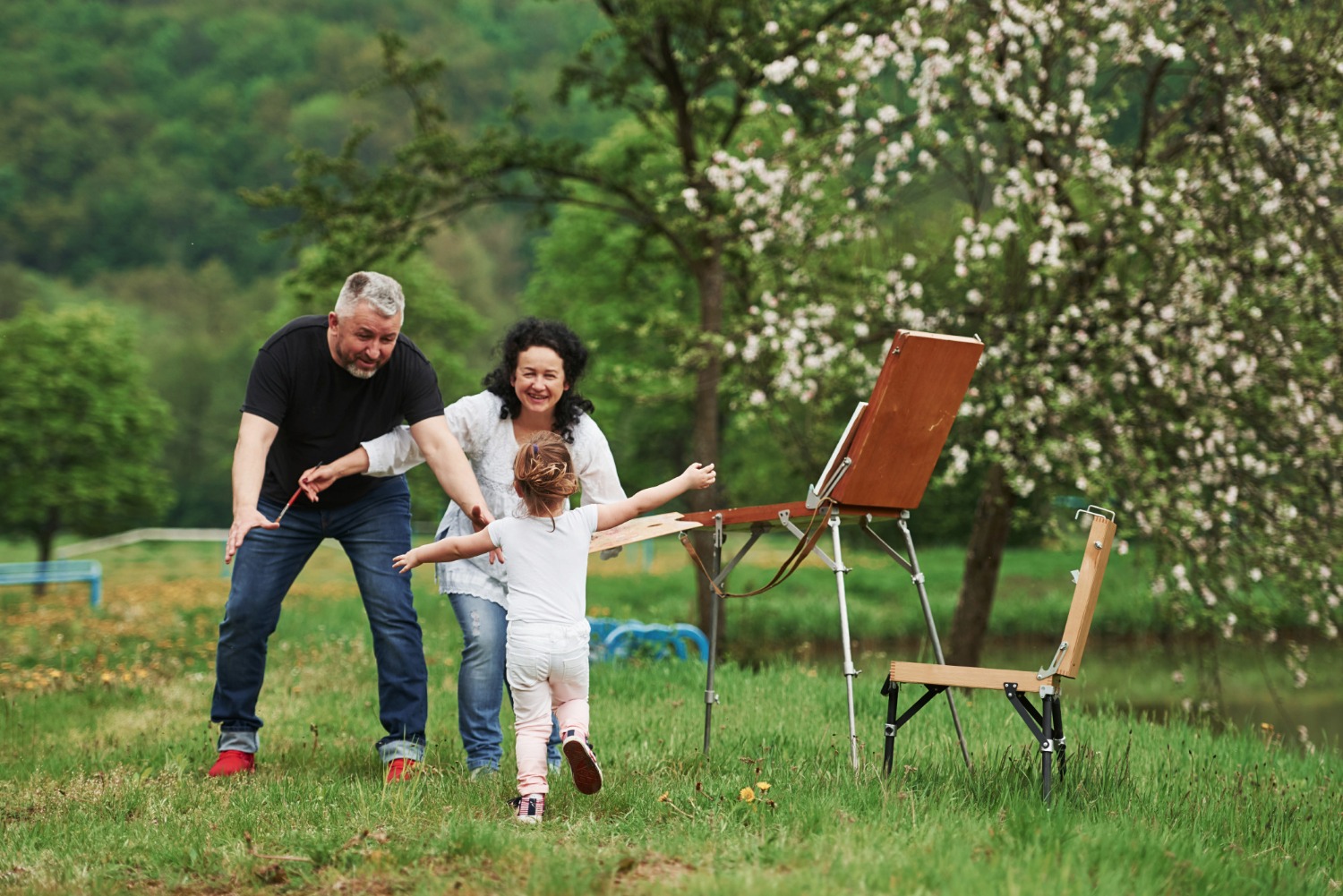
A family garden should be somewhere everyone can relax, play, and spend quality time together. However, keeping an outdoor space looking good can quickly become another household chore. Lawns need attention, plants grow out of control, and children’s toys seem to appear everywhere.
Fortunately, a practical garden does not have to demand hours of work every week. Smart landscaping choices can reduce maintenance while creating a comfortable and attractive space. From using artificial grass in busy areas to choosing hardy plants and practical storage, a few thoughtful decisions can make your garden much easier to manage.
Start With a Practical Layout
Before changing your garden, think about how your family actually uses it. Parents with young children may want an open play area, while families with teenagers might value comfortable seating and space for entertaining.
Dividing the garden into zones can help everyone make better use of the available space. You could have a play area, an outdoor dining zone, and a quieter corner for relaxing. Different surfaces, planters, or furniture can separate these areas without making the garden feel closed in.
Keep frequently used spaces close to the house when possible. For example, positioning an outdoor dining table near the kitchen makes serving meals much easier. Younger children’s play areas should also be somewhere adults can easily see them.
Choose Low-Maintenance Surfaces
The lawn often receives the most wear in a family garden. Children play on it, pets run across it, and garden furniture can leave worn or damaged patches. Natural lawns can also require regular mowing, feeding, watering, and weed control.
Choose your surface according to how much maintenance you are prepared to do. In areas with heavy foot traffic, durable and easy-to-clean options can reduce ongoing work. Good drainage is equally important, particularly in places that receive frequent rainfall.
Patios and paved sections are useful around dining and seating areas because they provide a stable surface for furniture. Whatever materials you choose, consider durability and maintenance as well as appearance.
Create a Flexible Play Area
Children benefit from having a dedicated place to play, but you do not need to fill the garden with permanent equipment. An open space can support everything from football and outdoor games to paddling pools during warmer weather.
If you add swings, slides, or climbing equipment, consider safety and visibility. Leave enough room around equipment and avoid positioning it close to hard edges or delicate features.
It also makes sense to plan for the future. Children quickly outgrow playhouses and climbing frames. A flexible play zone can later become a seating area, vegetable garden, or entertaining space without requiring a complete redesign.
Pick Hardy Plants
Plants add colour and character, but complicated borders can create unnecessary work. Instead, choose hardy plants suited to the conditions in your garden. Plants that naturally thrive in the available sunlight, soil, and moisture generally need less attention.
Evergreen shrubs and perennials are useful for creating structure without regular replanting. Ground-cover plants can help limit weeds, while adding mulch to flower beds helps the soil retain moisture and can reduce the amount of weeding required.
Families with young children or pets should also research plants before buying them. Some common garden plants can be harmful when eaten, so suitability matters as much as appearance.
Make Outdoor Storage a Priority
A garden can quickly look messy when toys, footballs, gardening equipment, and cushions have nowhere to go. Adding storage from the beginning makes it much easier to keep outdoor areas organised.
Weather-resistant storage boxes work particularly well for toys and smaller items. A shed may be more suitable if you need space for bikes, tools, garden equipment, and larger toys. Hooks and wall-mounted racks can also make good use of vertical space.
Place storage close to where items are normally used. When putting something away is easy, both adults and children are more likely to do it.
Choose Practical Furniture
Garden furniture in a family home needs to withstand regular use, spills, and changing weather. Choose durable materials that are easy to wipe clean and suitable for outdoor conditions.
Consider the amount of available space before buying large furniture sets. A huge table can overwhelm a small garden and reduce the room children have to play. Folding or stackable chairs provide extra seating when needed without permanently taking up valuable space.
Adding shade can also make a seating or dining area more comfortable. A parasol offers a simple solution, while pergolas and covered areas can provide more permanent shelter.
Keep Maintenance Simple
Even a low-maintenance garden needs occasional attention. The trick is making routine jobs as straightforward as possible.
Keep gardening tools together and make sure your hose or watering equipment is easy to reach. Try completing small tasks regularly instead of allowing them to accumulate. Spending a few minutes putting toys away, sweeping the patio, or removing weeds can prevent a much larger job later.
It is also worth questioning whether you genuinely want the upkeep associated with a new feature before installing it. Ponds, large flower borders, extensive decking, and vegetable plots can all be rewarding, but they also require attention. Focus on features your family will actually use and enjoy.
Create a Garden That Can Grow With Your Family
Family needs rarely stay the same. Toddlers become schoolchildren, play equipment eventually disappears, and outdoor spaces begin serving different purposes.
Designing with flexibility in mind makes those transitions easier. Movable furniture, simple planting schemes, and open spaces allow you to adapt the garden without starting again. Today’s children’s play area could become tomorrow’s outdoor dining space or vegetable patch.
Ultimately, a successful family garden should make outdoor life easier and more enjoyable. Choose durable materials, manageable planting, useful storage, and flexible spaces rather than following trends that create unnecessary work. With a practical design, your garden can remain welcoming, attractive, and useful as your family changes.

Hey welcome to my blog . I am a modern women who love to share any tips on lifestyle, health, travel. Hope you join me in this journey!

Speak Your Mind