
Life with pain, stiffness, or limited movement can silently change your day-to-day routine. Even such simple tasks as waking up, putting groceries on the table, running, or even sitting down in the office can begin to feel more difficult than necessary. In the long run, this may impact your self-esteem, performance, and health.
Most individuals postpone seeking medical attention, hoping that the pain will resolve on its own, only to realize that it is becoming more chronic. You do not require a quick fix but a planned system that helps in correcting the underlying cause of the issue and helps in long-term locomotion and power.
Extensive physiotherapy treatment is aimed at restoring functional activity, enhancing mobility, and making your body move effectively at any age.
This article describes how physiotherapy in Preston assists individuals of all ages with individualized care, prevention, and evidence-based care that allows you to keep moving well.
1. Prevention of Pain and Mobility Problems

Pain is rarely random. It usually results from restriction of movement, muscle imbalances, unhealthy posture, or strain accumulating with time. This is where Preston physiotherapy comes in: it determines the cause of the pain rather than just treating the areas where the pain is.
A detailed examination enables physiotherapists to know how your joints, muscles, and nervous system interact in the process of day-to-day movement. Treatment is aimed at correcting the incorrect patterns of movements, enhancing joint mobility, and restoring muscle activity, as opposed to masking symptoms.
Such a method will minimize ongoing frustration and help prevent the recurrence of the same problem. Consequently, you will have more control over your movement and will feel relieved even after leaving the treatment room.
2. Physiotherapy Treatment Tailored to All Ages
Your body develops, and your physical needs change, and good physiotherapy is able to change with it. Various problems are experienced by children, adults, and older people, but the main objective is the same: to enhance the quality of movement and decrease discomfort.
In young patients, physiotherapy can assist in the coordination, posture, or sports-related injuries. Adults usually enjoy care that is centered on workplace strain, overuse injuries, or rehabilitation following physical setbacks. In older adults, physiotherapy focuses on the health of the joints, balance, strength, and independence.
Treatment plans are customized so that you are always receiving care based on your lifestyle, level of activity, and physical objectives. This makes sure that exercises and practical skills are relevant, healthy, and efficient at all life stages.
3. Better Outcomes are created by Individualized Assessments
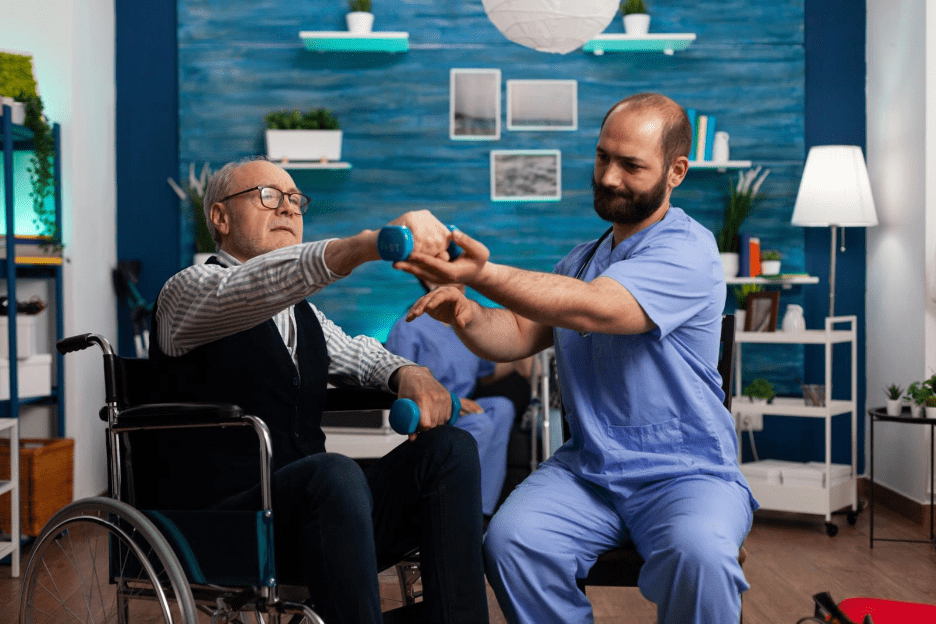
There are no two bodies that move in the same manner, and that is why physiotherapy starts with evaluation. This evaluation examines posture, flexibility, joint mechanics, muscle activity, and how you perform daily tasks.
Knowing these factors collectively, physiotherapists are able to develop a plan that will actually match your needs. This personalized treatment will aid in addressing the actual causes of pain or limitation. Your treatment is based on your body’s operations rather than generic exercises.
With time, this accuracy results in greater mobility, reduced strain, and improved overall movement efficiency. The treatment can be altered to keep up with your progress, which will guarantee gradual improvement without unjustified delays.
4. Integrating Active Rehabilitation with Hands-On Therapy
Physiotherapy is most effective when active movement is coupled with hands-on techniques. Manual therapy will ease the stiffness of the joints, enhance blood flow, relieve muscle tension, and allow your body to move more easily.
These methods train your tissues to respond to movement-based rehabilitation. Active rehabilitation is followed by developing strength, stability, and control by using specific exercises. You get to know how to move more correctly, use the correct muscles, and how to avoid compensations that cause stress in other regions.
An important component of this process is education. Learning the way your body reacts to movement is a way of enabling you to utilize these principles even when you are not in the clinic. This mix supports long-term outcomes rather than short-term relief.
5. Preventing Injuries Through Movement Education

Injury prevention is a major component of comprehensive physiotherapy care. Many injuries occur not because of sudden accidents, but due to repeated stress placed on the body in inefficient ways over time. Physiotherapy helps identify these patterns early.
By improving flexibility, strength balance, and movement awareness, physiotherapy reduces the likelihood of future injuries across daily and physical activities. This is particularly valuable for people who exercise regularly, play sports, or perform repetitive tasks at work.
Learning how to warm up effectively, move efficiently, and recover properly allows your body to handle physical demands with greater resilience, control, and confidence. Over time, this proactive approach supports long-term physical confidence, performance, and safer movement habits.
6. Supporting Chronic Conditions and Long-Term Recovery
Chronic pain and long-standing conditions often require consistent, structured care rather than quick solutions or short-term relief approaches. Physiotherapy supports long-term recovery by addressing both physical limitations and contributing lifestyle factors.
Treatment plans focus on gradual improvements in strength, endurance, and mobility while respecting your comfort levels and recovery capacity. Education around posture, daily movement habits, and activity pacing helps reduce flare-ups and maintain steady progress.
This ongoing support allows individuals managing chronic issues to stay active, reduce discomfort, and improve quality of life without overloading the body or causing setbacks. The emphasis remains on sustainable movement, independence, and long-term functional stability.
7. Encouraging Lifelong Movement and Confidence

One of the most valuable benefits of physiotherapy is the confidence it builds in your own body and movement abilities. When you understand how to move safely and effectively, everyday activities become less intimidating and more manageable.
Tasks like lifting, bending, walking, or exercising feel more controlled, comfortable, and efficient over time. Physiotherapy encourages consistency rather than intensity, helping the body adapt without unnecessary strain or pressure.
Small improvements in movement quality add up over time, supporting long-term physical health and mobility. This mindset helps people stay active as they age while reducing fear of pain, injury, or physical decline.
Bringing it All Together
Comprehensive physiotherapy care in Preston supports people of all ages by focusing on movement quality, pain reduction, and long-term physical health outcomes.
Through personalized assessments, hands-on treatment, active rehabilitation, and education, physiotherapy addresses the root causes of discomfort rather than offering temporary relief.
Whether you are recovering from injury, managing ongoing pain, or aiming to prevent future issues, structured physiotherapy care helps you move with confidence and control. By investing in informed, individualized treatment, you give your body the tools it needs to stay strong, mobile, resilient, and functionally capable throughout every stage of life.

Hey welcome to my blog . I am a modern women who love to share any tips on lifestyle, health, travel. Hope you join me in this journey!


Speak Your Mind