Planning family trips often means finding a balance between adventure, rest, and learning opportunities. Peru offers all three. Its mountains, rivers, and towns carry the history of the Inca civilization while still providing experiences that fit modern family travel. Parents and children alike can take part in experiences that create stories worth telling long after the return home.
Moving Through the Country Together
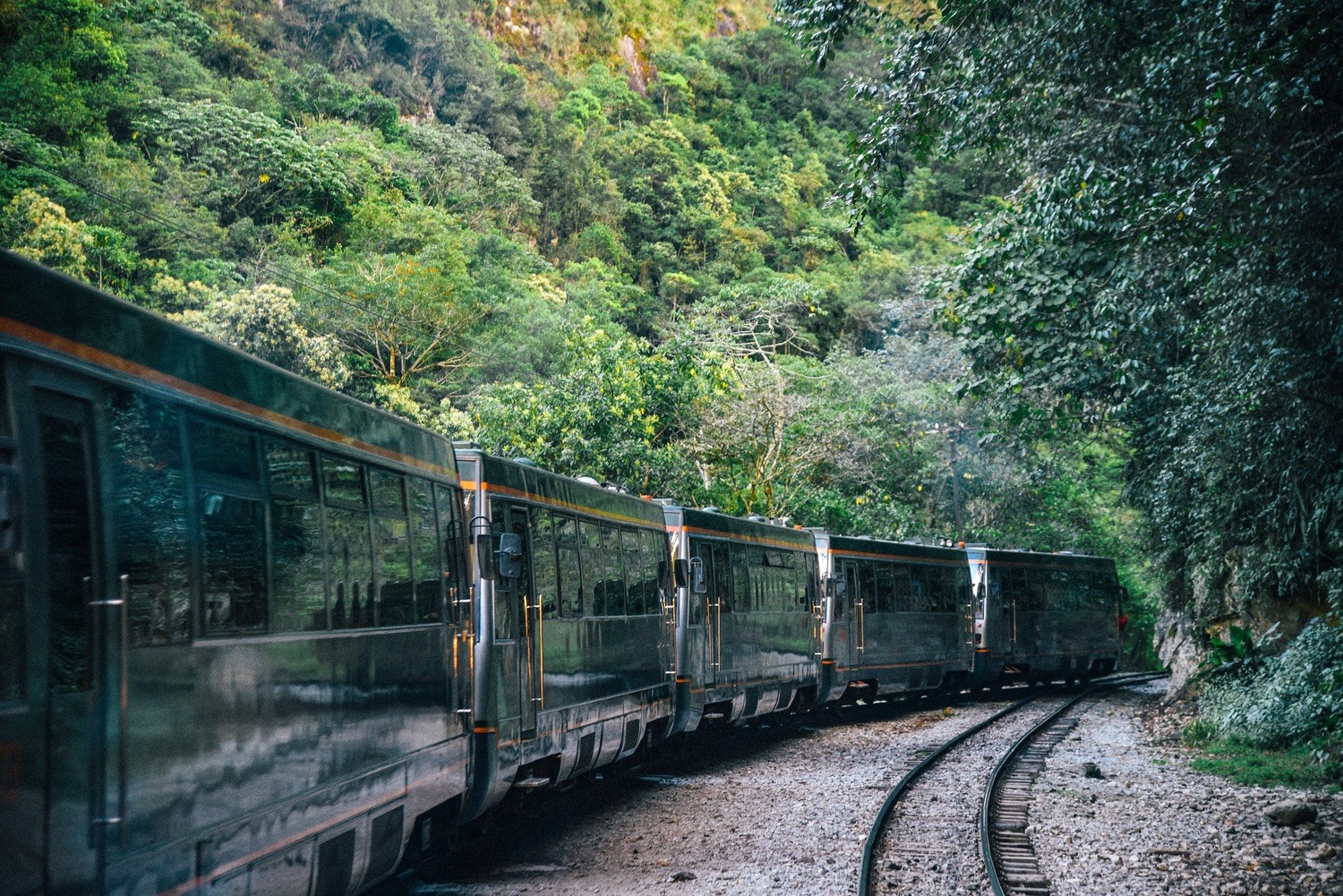
Traveling as a family often works best when the mode of transport itself becomes part of the experience. Many parents reflect on how riding through the Andes Mountains by train gave them quiet moments to look out the window with their children, pointing to peaks and valleys.
Choosing scenic Peru train adventures can give families a way to enjoy the trip together without the stress of navigating unfamiliar roads. Watching the land roll past the glass becomes part of the memory, not just a way to reach the next destination.
For younger children, the ride becomes a chance to rest while still taking in the scenery, while teenagers may be drawn to photographing the passing landscapes. It becomes a shared pause in a trip full of movement.
Visiting Ancient Sites
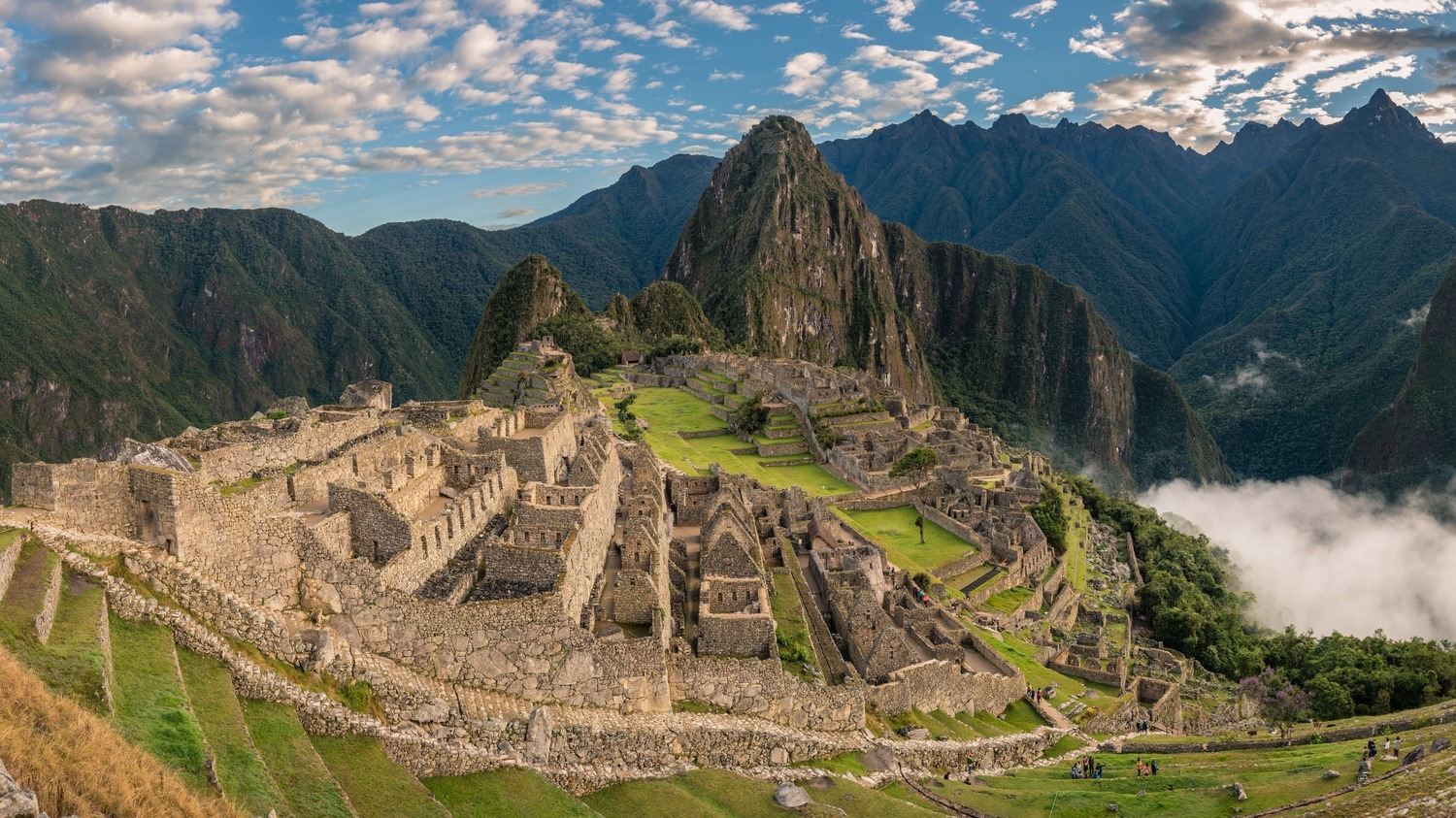
One of the highlights for any trip to Peru is Machu Picchu. Families often arrive at the Sun Gate, where the first view of the ruins opens up to them. The site stands as a UNESCO World Heritage Site and carries the legacy of the Inca Empire. Exploring the Inca ruins gives children and adults a shared sense of stepping into history.
The stories told by guides provide context about how people once lived and worked in these stone cities. Each step across the worn stones can spark questions that help children connect what they learn in classrooms with what they see in front of them. Parents sometimes describe how their children ask about building techniques or farming terraces, conversations that carry on long after leaving the site.
Towns, Markets, and Food
Not all travel is about monuments. Many families enjoy slowing down in towns such as Aguas Calientes, where the pace shifts to quiet meals and time in small markets. Sharing plates of Peruvian cuisine can be as memorable as walking the Inca Trail. A bowl of hearty soup or a plate of roasted meat gives families a chance to sit together and reflect on the day.
Sampling flavors tied to local communities introduces children to new tastes while supporting the people who keep these traditions alive. Families often find that children become curious about ingredients or cooking methods, and some even try recreating recipes at home once the trip has ended.
Valleys, Rivers, and Rainforests
The Sacred Valley stretches out with terraced fields and villages. Families can spend a day here learning about farming methods that still echo techniques used centuries ago. Further east, the Amazon rainforest offers a completely different setting, where the sound of insects and birds fills the air.
Some families extend their trips to reach the Amazon River, where boat rides give children a direct sense of scale and power. Moving between mountains, valleys, and forests helps families appreciate the range of natural environments Peru holds. Such variety keeps different age groups engaged, with older children often fascinated by wildlife and younger ones drawn to the simple thrill of a boat ride.
Expanding Beyond the Classics
Some travelers add less common stops to their family packages. The Nazca lines often catch the attention of older children, who wonder how such large figures could have been drawn on the desert floor. Lago Titicaca also attracts families who want to see the highest navigable lake in the world, where indigenous cultures continue traditions that have lasted through generations.
Choosing these side trips adds layers of experience to a family adventure, leaving memories tied not only to famous icons but also to places that show Peru’s cultural wealth. Parents often remark that these less expected visits spark some of the strongest conversations once everyone is back home.
Practical Steps
Traveling with children requires a little more planning. Securing train tickets in advance can make the difference between smooth travel days and stressful waits. Families also benefit from breaking up longer stretches with shorter activities, such as half-day tours to Inca ruins near Cusco.
Taking time to learn about local communities before visiting can help children understand what they are seeing. Involving them in the planning, even in small ways, often makes them more engaged once the trip begins. Some parents find it useful to choose activities that balance physical effort with rest, like following a morning hike with an afternoon spent in a local plaza or market. That rhythm helps the entire group keep energy levels steady.
Conclusion
Peru offers a variety of ways for families to share meaningful travel experiences. From walking ancient stone paths to tasting local dishes or riding trains through mountain passes, each step adds to a shared story.
Families who choose to explore its sites and engage with its people often return home with lasting memories shaped by both history and present-day life. The mix of natural settings, cultural traditions, and historical sites makes Peru a destination that continues to give back long after the trip ends.

Hey welcome to my blog . I am a modern women who love to share any tips on lifestyle, health, travel. Hope you join me in this journey!


Speak Your Mind