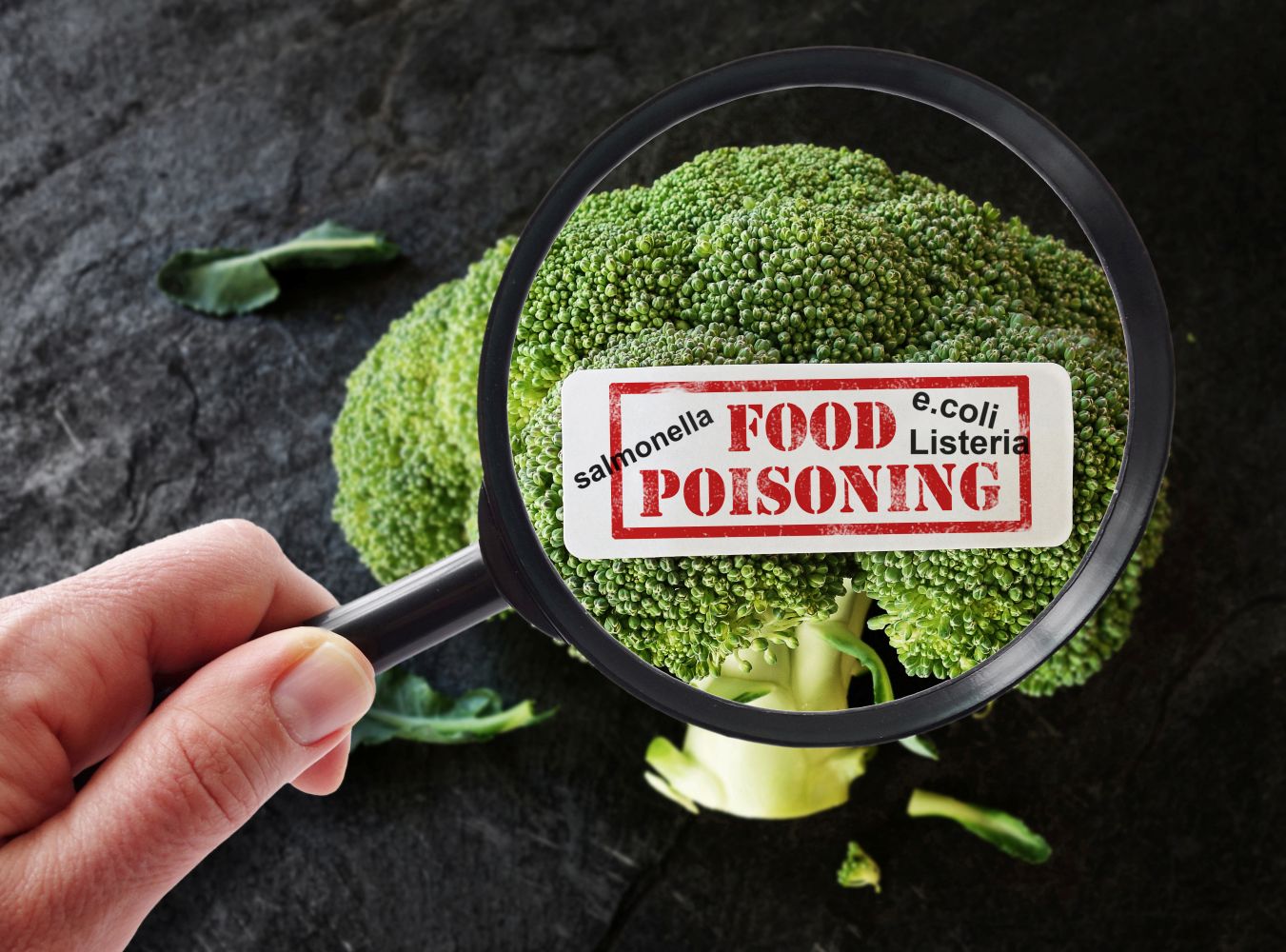
Food poisoning is a common, yet distressing and sometimes dangerous, illness that arises from consuming contaminated food or beverages. Each year, millions of people are affected by foodborne pathogens, which can be introduced at any point in the food supply chain, from farm to table.
The symptoms, often including nausea, vomiting, abdominal cramps, and diarrhea, can range from a minor inconvenience to a severe, life-threatening condition. Understanding the various types of bacteria, viruses, and parasites responsible for foodborne illness is a critical step in prevention. It ensures that individuals can make informed decisions about food handling and consumption.
Below are the different types of food poisoning:
The Major Bacterial Culprits
Bacteria are among the most frequent causes of food poisoning. They can multiply rapidly in food under the right conditions, often without affecting its taste, smell, or appearance. The following are the major bacterial culprits:
Salmonella
This is one of the most ubiquitous names for food poisoning outbreaks. This bacterium is frequently associated with raw or undercooked eggs, poultry, meat, unpasteurized milk, and even fresh produce. A Salmonella infection typically manifests within six hours to six days, characterized by diarrhea, fever, and abdominal cramps.
While most recover within a week, prevention is critical. This involves cooking poultry to 165°F, ground meats to 160°F, and eggs until firm. Meticulous hygiene to prevent cross-contamination, including using separate cutting boards and washing all surfaces and utensils after contact with raw foods, is equally essential.
Escherichia coli (E. coli)
While most strains of E. coli are harmless and live in the intestines of healthy people and animals, certain strains, such as Shiga toxin-producing E. coli (STEC), can cause severe illness. E. coli O157:H7 is the most well-known STEC.
Infection with pathogenic E. coli typically results in severe stomach cramps and bloody diarrhea, with symptoms emerging three to four days after exposure. A serious complication, hemolytic uremic syndrome (HUS), poses a kidney failure risk for vulnerable groups. Prevention requires cooking ground beef to 160°F, strictly avoiding unpasteurized dairy and juices, and thoroughly washing fresh vegetables to mitigate contamination risks from these familiar sources.
Therefore, dealing with recent incidents in Houston and similar locations, such as the Houston E. coli lawsuits emphasizes the serious real-world consequences of food contamination and the importance of robust food safety protocols against these bacteria from producers and consumers alike.
Listeria Monocytogenes
Listeria is a particularly dangerous bacterium because it can grow even in refrigerated temperatures, unlike many other foodborne pathogens. Listeria infection presents a unique danger due to its variable and delayed onset, with symptoms potentially appearing several weeks after exposure.
While healthy adults may experience mild illness, the pathogen poses severe risks for pregnant women, newborns, and the immunocompromised, potentially leading to miscarriage or meningitis. Prevention for high-risk groups involves avoiding unpasteurized soft cheeses and ready-to-eat meats unless reheated to 165°F to destroy the bacterium.
Campylobacter
This is a leading cause of bacterial diarrheal illness worldwide. It’s most associated with raw or undercooked poultry. A Campylobacter infection typically begins two to five days after exposure, causing diarrhea, often accompanied by fever and abdominal cramps. Although most recover within a week, a rare but serious complication is Guillain-Barré syndrome, a form of temporary paralysis. Prevention may depend on cooking all poultry to an internal temperature of 165°F and rigorous avoidance of cross-contamination, as the bacteria are highly prevalent in raw chicken juice.
Common Viral Causes
Viruses are another significant source of foodborne illness, often spreading through an infected food handler or contaminated water. These include:
Norovirus
This is notoriously contagious and is the most common cause of gastroenteritis outbreaks in countries like the United States. It’s often incorrectly referred to as the “stomach flu.” Norovirus causes a sudden and intense illness marked by projectile vomiting, diarrhea, and nausea. While the acute symptoms are typically short-lived, lasting one to three days, the virus is highly contagious.
Prevention demands rigorous handwashing with soap and water, as sanitizers are often ineffective. Contaminated surfaces require disinfection with a bleach solution, and infected individuals must not handle food for at least 48 hours after recovery.
Hepatitis A
This is a virus that causes inflammation of the liver and is transmitted through the “fecal-oral route,” often via contaminated food or water. Hepatitis A is a symptom that includes fatigue, nausea, stomach pain, and jaundice, having a long incubation period of 15 to 50 days post-exposure. The illness can range from a mild, few-week duration to a severe condition lasting several months.
The most effective prevention is vaccination. For anyone handling food, unwavering personal hygiene, especially diligent handwashing after restroom use, is an absolute necessity to prevent transmission.
Key Takeaway
A thorough understanding of the various foodborne pathogens, from bacteria like Salmonella and E. coli to viruses like Norovirus, empowers individuals to implement targeted prevention strategies. By understanding the information mentioned above, individuals can reduce the risk of contamination and protect their long-term health.

Hey welcome to my blog . I am a modern women who love to share any tips on lifestyle, health, travel. Hope you join me in this journey!


Speak Your Mind