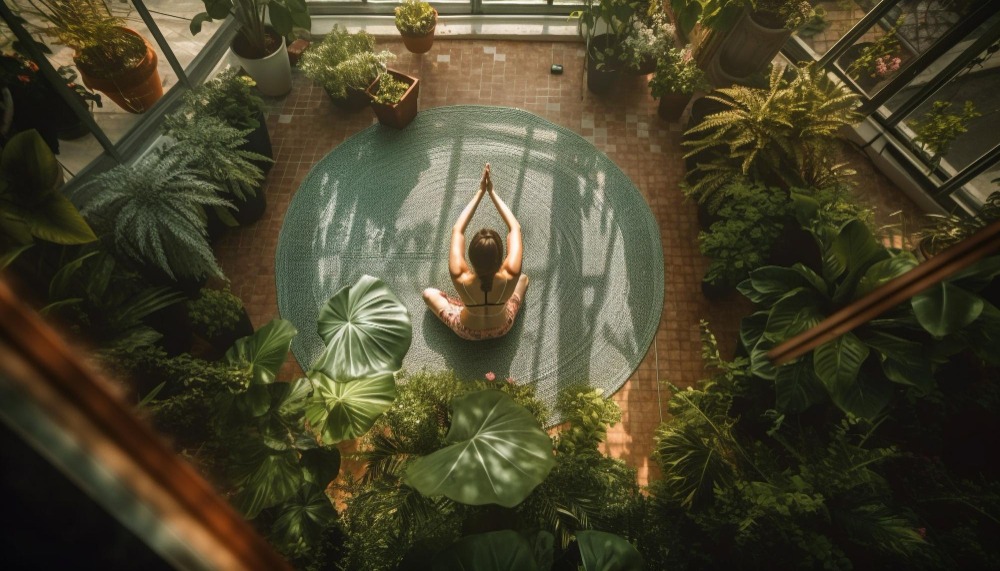
One might think we have finally moved past the beauty obsessions of the late twentieth century, but the reality feels more like a subtle rebranding. We have traded the skipped lunch for the green juice and the five-step morning ritual. Yet, something feels different about this current cultural shift.
Modern wellness trends are fundamentally changing the way people view their bodies, replacing the rigid edges of traditional diet culture with a framework that seeks a balance between acceptance and transformation. It appears to be a move toward a more integrated self-care model.
We’ll look at how these movements influence our decisions regarding body image and aesthetic enhancement, specifically through the lenses of holistic health, digital influence, and the rise of body neutrality.
The Shift from Diet Culture to Holistic Wellness
The era of highly restrictive, short-term dieting is losing its cultural grip. In its place, the wellness industry has pivoted toward comprehensive mind-body health that emphasizes long-term vitality.
It seems that consumers are no longer interested in the strain of extreme caloric deficits. Instead, they want functional fitness that allows them to move without pain and mental clarity that lasts beyond a caffeine spike. This integrated wellness approach suggests that if a habit isn’t sustainable, it isn’t truly healthy.
- Why Restrictive Diet Culture Is Losing Influence: People are realizing that metabolic damage and the “yo-yo” effect of temporary diets are more harmful than the weight they were trying to lose. There is a growing skepticism toward any plan that demands total social isolation or caloric starvation.
- The Rise of Intuitive Eating and Mindful Movement: We are seeing a shift toward listening to real, internal hunger cues rather than relying on external apps. Exercise is increasingly framed as a way to manage stress or build bone density, and not as a punishment for what you ate the night before.
- How Wellness Now Includes Mental Health: Self-compassion is no longer a minor detail. It is now recognized as a physiological necessity. High cortisol levels from self-criticism are understood to be counterproductive to any physical goal
How Social Media Wellness Culture Influences Body Image
Social media is a double-edged sword. It builds support networks and connections. Yet it often turns into a comparison trap.
Platform algorithms shape our views through influencers who rarely reveal the full picture, creating a filtered reality that can skew our perception of what a healthy body looks like in its natural state.
- The Impact of “That Girl” and Morning Routine Culture: The “That Girl” aesthetic promotes a hyper-productive lifestyle: think 5 a.m. pilates and aesthetic journals. While it can be motivating, it often ignores the financial privileges required to maintain such a polished existence.
- Before-and-After Transformation Content: These posts can offer proof of what is possible, yet they often lack context. They might miss the nuance of lighting or the fact that a person’s mental health might have actually declined during the process.
- Challenging Traditional Standards: On the positive side, digital spaces have allowed body-neutral activists to bypass traditional gatekeepers. They provide a much-needed counter-narrative to the airbrushed perfection of legacy media.
The Body Neutrality Movement and Its Effect on Aesthetic Decisions
While body positivity focuses on “loving” how you look, body neutrality focuses on what your body can actually do. It offers a more functional approach to body confidence. When you view your body neutrally, you can choose to enhance it from a place of self-care rather than self-criticism.
- Understanding the Difference: Positivity can feel like a chore. It forces you to find every perceived flaw beautiful. Neutrality says, “This is my body; it breathes, it walks, and I don’t have to have an opinion on its appearance every second.”
- Enhancement Without Shame: If you aren’t tied to the idea that your worth is your beauty, a cosmetic procedure becomes a simple adjustment. It’s like painting a house you already enjoy living in.
- Shifting the “Why” Behind Procedures: Decisions are becoming more about how you feel. If someone feels energetic and strong but their reflection looks perpetually exhausted, they might seek a treatment to bring those two things closer together.
Evidence-Based Wellness and the Demand for Medical Legitimacy
The modern wellness consumer is remarkably skeptical. The days of buying a “detox tea” because a celebrity posted about it are largely over. Today’s individuals are more educated. They research credentials, demand scientific validation, and prioritize medical-grade safety.
This demand for medical legitimacy has naturally integrated medical aesthetics into the mainstream wellness conversation. People are now looking into the science of sculpting a firmer midsection or improving skin quality with the same rigor they apply to their blood work.
| Wellness Category | Old Approach (Pseudoscience) | New Approach (Evidence-Based) |
| Nutrition | Detox teas and “cleanses.” | Gut microbiome health and glucose monitoring |
| Fitness | “Burning off” calories | Functional hypertrophy and mobility work |
| Aesthetics | Unregulated DIY “hacks.” | Board-certified practitioners and FDA-approved tech |
| Recovery | Ignoring pain | Biohacking, cold plunges, and physical therapy |
Modern consumers dig into peer-reviewed studies or trusted expert opinions before buying claims. Biohacking and longevity science mean that body optimization is seen as a long-term project.
We aren’t just looking for a quick change. Instead, we are looking for ways to age with grace and maintain high levels of energy and physical capability well into our later decades.
Sustainable Lifestyle Integration Over Quick-Fix Solutions
The “extreme makeover” culture of the early 2000s has been replaced by a maintenance mindset. People now value gradual progress and sustainable practices over dramatic, overnight transformations. This reflects a broader understanding of lifestyle medicine: the idea that daily habits are the most significant investment you can make in your health.
- The Fall of Crash Diets: Data suggest that extreme measures usually fail within 2 years. Most people now prefer incremental changes that don’t require them to overhaul their entire identity.
- Preventive and Maintenance Treatments: In the aesthetic world, this looks like subtle skin rejuvenation or metabolic support rather than waiting for a major surgical intervention. It is about keeping the “engine” running smoothly.
- Building Lasting Confidence: Confidence built on a foundation of small, repeated wins is much harder to shake. When you know you’ve put in the work, whether through a consistent gym routine or a well-researched treatment, the results feel more “earned.”
The Intersection of Self-Care, Self-Investment, and Aesthetic Enhancement
Wellness culture has essentially normalized cosmetic procedures by reframing them as self-investment. It appears that the “wellness aesthetic” is moving away from the “frozen” look of the past toward results that look natural, rested, and healthy.
Transparency is the new currency; people are much more open about the work they’ve had done, helping demystify the process and reducing the stigma for others.
- Reframing as Self-Investment: Much like a high-quality gym membership or organic groceries, aesthetic treatments are being categorized as a way to invest in one’s overall sense of well-being.
- The Natural Look: The goal is no longer to look like someone else, but to look like the best version of yourself. This requires a nuanced understanding of facial anatomy and a move away from “cookie-cutter” procedures.
- The Role of Recovery: Recovery is now taken much more seriously in the aesthetic world. It isn’t just about the procedure; it’s about the lymphatic drainage, the nutrition, and the rest that follows, ensuring the body heals in a way that supports the initial investment.
Final Thoughts
It seems like our collective perspective on health is fundamentally changing. We have finally moved past that old, exhausting habit of self-rejection. Today, modern wellness feels more like a mix of being informed, being compassionate, and creating daily habits that actually last. There is finally some breathing room to both accept your body and choose to enhance it, as long as that choice comes from a place of respect.
Whether someone chooses a new workout or a cosmetic procedure, the intent has changed. It is an empowered move. It honors the mind just as much as the physical shape. It appears we are no longer just chasing a filtered image. Instead, the focus has shifted toward a state of being. We want a life that feels as good on the inside as it looks on the outside.

Hey welcome to my blog . I am a modern women who love to share any tips on lifestyle, health, travel. Hope you join me in this journey!

Speak Your Mind