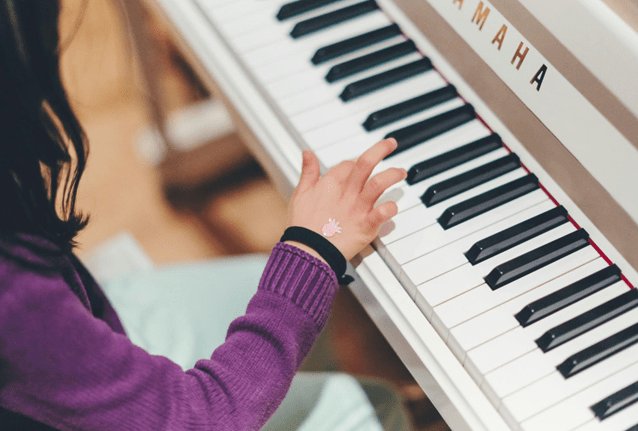
Learning to play piano, especially at a young age, can be highly beneficial for children. It can positively impact their social, emotional, and cognitive development. This guide offers essential pointers to help ignite your little one’s interest in playing the piano and cultivate a lifelong passion for music.
Make it Fun and Engaging
Instead of forcing your child to practice or attend their classes, focus on making the entire experience enjoyable and stress-free. Allow them to choose the songs they want to play, whether it’s from their favorite video games, cartoons, or movies.
Make learning interactive for them and incorporate games into their practice session. Expose your littone to various music genres to inspire their musical creativity. Consider getting a piano teacher for your kids or child to provide more structure in their learning.
Choose someone who is not only skilled and experienced in teaching children but is also engaging and supportive. Find local teachers who fit your child’s learning needs, style, make your little one feel comfortable, and adjust to their learning pace.
Establish a Consistent Routine
A supportive and sustainable learning routine can significantly influence your child’s piano learning journey. Create a consistent practice schedule to help your child stay committed. Decide with your child on a time that works for them, and remember to listen to their suggestions.
Ensure that their piano learning schedule does not interfere with any of their daily established activities. Consistency is key when learning any musical instrument, so focus on short and regular practice sessions instead of sporadic and longer practices.
If there are challenging pieces, break them down into manageable sections to prevent your child from getting overwhelmed. Adjust their learning schedule if necessary, especially if it’s only making them more anxious or less motivated to play the piano.
Foster a Positive Learning Environment
In addition to creating a regular and efficient practice routine, you should also optimize your child’s learning environment. Children thrive better in a positive and supportive space rather than in environments that are characterized by hostility or negativity.
Remove possible distractions in their learning space during practice time. Whether your child learns piano at home or at their piano teacher’s residence, make sure that they’re constantly provided with encouragement and positive reinforcement. Give your child verbal praise and focus on their progress and efforts.
Avoid forcing them to participate in competitions, unless they want to, and never compare them with their peers. Demonstrate interest in their learning by asking them open-ended or specific questions about the musical piece that they’re working on or their lessons.
Remain patient and understanding, and offer them support during challenging times. Remember, learning any musical instrument is not an easy undertaking, so let go of the perfectionist mindset and allow your child to make learning mistakes.
Endnote
Motivating your child to learn the piano doesn’t need to be a struggle. With these valuable tips and a positive mindset, you can spark your child’s musical interest and help them discover their full potential.

Hey welcome to my blog . I am a modern women who love to share any tips on lifestyle, health, travel. Hope you join me in this journey!


Speak Your Mind