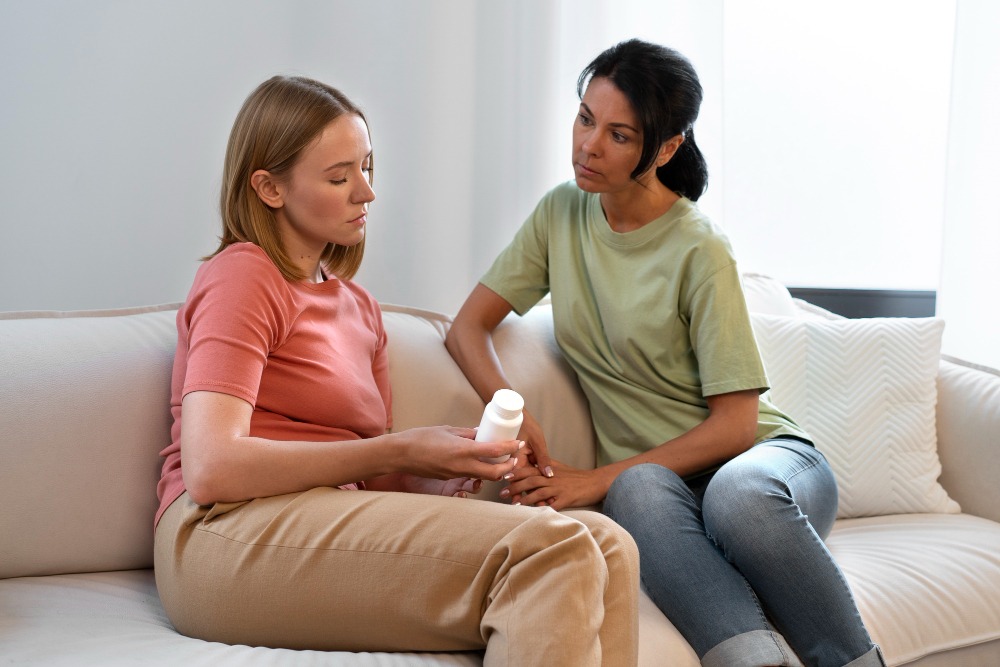
For years, self-care has been marketed to moms as an indulgence: bubble baths, pedicures, and spa vouchers tucked into Mother’s Day cards. While those gestures have their place, many women are recognizing that real restoration takes more than a scented candle. What’s changing is the definition of care itself. Moms are increasingly trading in surface-level escapes for environments designed to help them heal, recover, and reset. Mental health facilities, once viewed as places for crisis intervention, are now being embraced as spaces for proactive growth and long-term wellness.
Rewriting The Definition Of Self-Care
The narrative around self-care has long been painted with pastel brushes, implying that a quick afternoon of pampering is enough to recharge a woman carrying the weight of a family, a job, and the countless invisible tasks of daily life. But moms are realizing that stress, exhaustion, and mental strain can’t be massaged away in a single afternoon. The shift isn’t about dismissing traditional relaxation but about expanding the meaning of what genuine care looks like.
The mental load of motherhood is real. Beyond the obvious responsibilities, there’s the constant emotional labor—remembering appointments, managing school schedules, supporting children’s growth, and often working outside the home on top of it. When moms describe the feeling of running on empty, they’re not exaggerating. That’s why a growing number are seeking care in facilities that prioritize mental well-being just as much as physical health. They’re treating their mental health as something worthy of investment, not as an afterthought.
What makes this cultural moment stand out is that moms aren’t apologizing for it. They’re no longer whispering about therapy or hiding the fact that they checked into a program. Instead, they’re recognizing it as strength—choosing to carve out time for themselves in ways that foster genuine balance.
The Pull Toward Real Recovery
What’s fueling this move toward structured mental health support is a collective realization that temporary relief doesn’t solve long-term strain. Many women say that self-care, in its traditional sense, felt like trying to patch a leaking roof with tape. It might cover things up briefly, but eventually the deeper cracks show through.
Facilities tailored for mothers now offer programs that not only address stress but also dive into the root causes behind it—everything from identity shifts after childbirth to the constant pressure of juggling competing roles. Therapy, group support, mindfulness training, and restorative environments give moms tools that extend far beyond the stay itself. It’s not about escaping reality for a few days; it’s about learning healthier ways to live within it.
There’s also a generational aspect to this shift. The idea of moms openly prioritizing themselves would have seemed indulgent—or even selfish—to past generations. Today, more women understand that their well-being has a direct ripple effect on their families. By addressing burnout and overwhelm head-on, they’re modeling resilience for their children.
Another powerful factor is the normalization of therapy and mental health conversations in broader culture. Social media, for all its flaws, has made openness about mental health less taboo. Hearing other women talk candidly about the benefits of structured care has chipped away at the stigma. Instead of asking why a mom would go, the new question is why she wouldn’t.
A Different Kind Of Escape
When people think of getaways, they often picture sun loungers, cocktails, and silence away from the kids. But what moms are gravitating toward today looks different. They’re drawn to spaces that offer peace without pretense—facilities designed to help them reset in body and mind.
Inside, the atmosphere is intentionally nurturing, not clinical. Programs vary, but most combine therapeutic support with wellness practices that feel sustainable when moms return home. This includes everything from yoga and meditation to nutrition coaching and family communication strategies. The draw isn’t luxury for luxury’s sake—it’s the chance to feel seen, supported, and restored on a deeper level.
For many, this transition begins when they notice how traditional coping methods stop working. Taking a day off work, pouring a glass of wine, or booking a quick spa treatment might dull the edges temporarily, but the deeper strain resurfaces almost immediately. That’s where structured programs step in. They provide practical strategies to handle daily stressors in a healthier way, leaving women better equipped to manage what waits for them at home.
This isn’t to say the lighter versions of self-care are irrelevant. A pedicure or an evening out with friends still matters. But they’re now seen as one part of a larger toolkit rather than the whole solution. A facility stay is like choosing a reset button—something that clears space to create a healthier foundation. The keyword here is intention. Instead of a temporary escape, it’s a conscious investment in longevity.
Finding Relief In Structured Support
What stands out about this new wave of maternal self-care is the role of professional guidance. Moms aren’t just seeking quiet; they’re seeking tools. In structured facilities, therapists and wellness professionals work directly with women to develop strategies that last beyond the walls of the program.
This is where keywords like ways to reduce stress become more than slogans. In these spaces, stress isn’t minimized or brushed aside—it’s acknowledged, unpacked, and treated as something worth working through with care. That could mean cognitive behavioral therapy sessions, group workshops that build connection, or mindfulness practices that center the nervous system. Each approach reinforces the idea that tending to mental health isn’t selfish, it’s essential.
An overlooked benefit of these environments is community. Many mothers share the same struggles but rarely admit them aloud. In facilities, the isolation fades. Conversations shift from polite surface talk to honest exchanges about anxiety, pressure, and fatigue. This creates a support network that extends beyond the stay. Moms leave not just with new coping strategies but with a sense of solidarity, knowing they’re not alone in their experiences.
Even more importantly, women are empowered to integrate what they’ve learned into their everyday lives. That’s what separates a mental health retreat from a spa trip. It doesn’t end when the stay ends—it continues at the dinner table, during bedtime routines, and in the workplace.
A New Level Of Care For Mothers
The facilities drawing attention today are a far cry from sterile or intimidating clinics. They’re designed with the realities of modern motherhood in mind, offering both comfort and structure. For example, on their website, Neurish Wellness outlines the benefits of a luxury mental health facility for moms and other individuals who are balancing multiple pressures and need space to reset without guilt. The positioning of these programs as nurturing rather than clinical is what makes them feel approachable.
Mothers aren’t just patients in these environments—they’re treated as whole individuals with complex needs. Programs are crafted to address different layers of stress, from postpartum shifts to midlife transitions. There’s also an emphasis on dignity. Instead of being told to push through, women are given permission to step back, breathe, and learn.
These facilities represent more than just care; they represent a cultural acknowledgment that moms deserve more than a token break. They deserve real recovery. It’s a profound evolution of what it means to support mothers—not just with flowers on Mother’s Day but with actual spaces where they can heal and grow.
Why This Moment Matters
The rise of mental health facilities for moms speaks to a larger cultural transformation. Women are collectively rejecting the idea that their worth is measured by how much they sacrifice. Instead, they’re reframing care as strength, resilience, and leadership. When moms prioritize their well-being, they’re not stepping away from their families—they’re stepping into healthier versions of themselves.
It also reflects a deeper truth about what it means to sustain a family. A household doesn’t thrive when its foundation is running on fumes. By choosing to invest in structured mental health support, moms are ensuring they have the strength to continue showing up fully for the people they love. The ripple effect is undeniable: children raised by mothers who prioritize balance often grow into adults who understand the value of doing the same.
What makes this moment powerful is that it’s not driven by external permission. Moms aren’t waiting to be told they can take a break. They’re claiming it for themselves, rewriting the rules of what care should look like in the process. And as more women step into these spaces, the narrative shifts further away from temporary indulgence toward long-lasting resilience.
The idea that moms are finally prioritizing their mental health in structured, intentional ways signals a new chapter in the self-care story. It’s no longer about quick fixes or pretty packaging—it’s about genuine well-being. The rise of mental health facilities as a choice over spa days shows how women are elevating their care to meet the demands of real life. This isn’t indulgence. It’s strength. And it’s reshaping how self-care will be defined for generations to come.

Hey welcome to my blog . I am a modern women who love to share any tips on lifestyle, health, travel. Hope you join me in this journey!


Speak Your Mind