Travelling with children often changes how families experience the world. Trips become less about ticking off landmarks and more about balance—between discovery and downtime, structure and flexibility, curiosity and comfort. Peru may not be the first destination that comes to mind for family travel, but for parents willing to plan thoughtfully, it can be surprisingly rewarding. With its welcoming culture, varied landscapes, and opportunities for learning through experience, Peru offers families a journey that feels enriching rather than overwhelming.
Many parents begin their planning by researching vacation packages to Peru, especially when travelling with kids of different ages. Having transportation, accommodations, and major routes organised in advance can reduce stress significantly, allowing parents to focus on their children’s needs while still experiencing the country’s highlights at a comfortable pace.
Is Peru a Family-Friendly Destination?
Peru is generally very family-oriented. Children are warmly received in public spaces, restaurants, and accommodations, and it’s common to see multi-generational families travelling together within the country. Locals are often patient and helpful toward families, which can be reassuring when navigating unfamiliar environments with kids.
That said, Peru is a destination where preparation matters. Distances can be long, altitude varies dramatically, and schedules may move more slowly than parents expect. Families who approach Peru with flexibility, realistic expectations, and a willingness to adjust plans tend to have the most positive experiences.
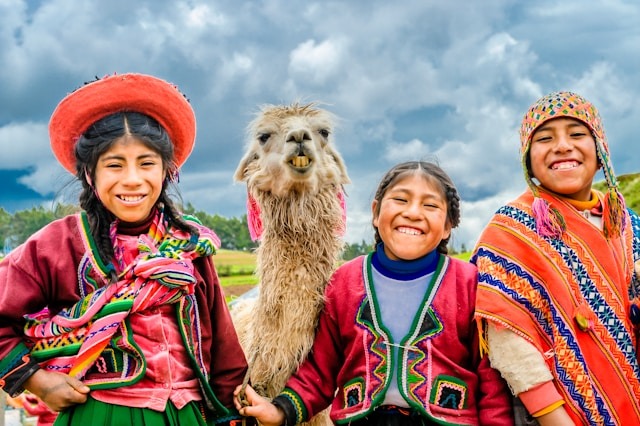
Choosing the Right Regions for Family Travel
Peru’s diversity is one of its greatest strengths, but not every region is equally suited to family travel, especially with younger children.
Lima is often a comfortable starting point. Coastal neighbourhoods such as Miraflores and Barranco offer parks, pedestrian-friendly areas, ocean views, and a calmer pace than the city’s centre. These areas provide space for kids to run, recover from travel fatigue, and ease into a new environment.
The Sacred Valley, near Cusco, is often more suitable for families than Cusco itself. Lower altitude, open landscapes, and quieter villages make it easier for children to adjust while still offering cultural experiences and scenic surroundings.
Cusco can be rewarding for older children, particularly those interested in history, but its high altitude may be challenging for younger kids. Allowing time to acclimatise and limiting physically demanding days is essential.
The Amazon region can be an exciting option for families with older children who enjoy nature and wildlife. Guided experiences often focus on education and observation rather than physical difficulty, making them suitable when chosen carefully.
Managing Altitude with Children
Altitude is one of the most important considerations when travelling in Peru with kids. Cities like Cusco sit well above 3,000 metres (9,800 feet), and altitude sickness can affect children just as it does adults.
Parents should plan gradual ascents, include rest days, and prioritise hydration. It’s wise to avoid scheduling major excursions immediately upon arrival in high-altitude areas. Many families find that starting in the Sacred Valley before heading to Cusco helps children adjust more comfortably.
Watching for symptoms such as headaches, nausea, fatigue, or irritability is important. If a child appears unwell, slowing down or descending to a lower altitude usually helps.
Transportation and Travel Days
Travel days in Peru can be longer than parents expect, even when distances don’t appear far on a map. Mountain roads, weather conditions, and infrastructure all influence travel time.
Domestic flights are often the easiest way to cover long distances with children, reducing fatigue and frustration. Trains, especially scenic routes, can also be enjoyable for kids when scheduled thoughtfully and paired with downtime afterward.
On road journeys, regular breaks help children stay comfortable. Snacks, water, and entertainment are essential, as routes may pass through remote areas with limited services.

Accommodation That Works for Families
Family-friendly accommodation makes a noticeable difference in Peru. Many hotels offer family rooms, interconnected spaces, or the option to add extra beds. In quieter regions, smaller lodges and guesthouses often provide a more relaxed environment than large city hotels.
Parents may want to prioritise accommodations with:
- Easy access to outdoor space
- On-site dining options
- Flexible check-in times
- Quiet surroundings for rest
Staying slightly outside busy historic centres can also reduce noise and congestion, making evenings calmer for younger children.
Food, Diet, and Eating with Kids
Peruvian cuisine is diverse and often well suited to children. Many dishes are mild, simple, and filling, particularly rice-based meals, soups, grilled meats, and bread. Coastal areas offer fresh fish, while the Andes feature hearty dishes designed for cooler climates.
Restaurants are generally accommodating to families, though children’s menus are less common than in some countries. Parents of picky eaters may want to keep familiar snacks on hand, especially during travel days.
Food safety is another common concern. Sticking to bottled water, avoiding unwashed produce, and choosing reputable restaurants helps reduce the risk of stomach issues.
Educational Value for Children
One of Peru’s strengths as a family destination is its educational potential. History, geography, ecology, and culture are visible and tangible rather than abstract.
Children can:
- Walk through ancient ruins and imagine how people lived
- Observe traditional farming methods still in use today
- Learn about wildlife and ecosystems in the Amazon
- Experience daily life in communities shaped by geography
These experiences often spark curiosity and conversation long after the trip ends, making travel feel meaningful rather than purely recreational.
Safety and Health Considerations
Peru is generally safe for families, particularly in areas frequented by visitors. As in any destination, parents should remain aware in crowded places and keep valuables secure.
Healthcare facilities in major cities are reliable, and pharmacies are widely available. Parents should bring essential medications, basic first-aid supplies, and copies of medical documents. Travel insurance is strongly recommended, especially when travelling with children.
Vaccinations and health recommendations should be discussed with a healthcare provider before departure, particularly if visiting jungle regions.

Packing Tips for Families
Packing for Peru requires versatility. Families will likely encounter multiple climates within one trip, so layering is key. Comfortable walking shoes, sun protection, and rain gear are essential.
Other helpful items include:
- Reusable water bottles
- Snacks from home
- Small backpacks for day trips
- Entertainment for travel days
- Lightweight jackets for cooler evenings
Being well-prepared reduces daily stress and allows parents to focus on enjoying the experience with their children.
Setting Realistic Expectations
Perhaps the most important advice for parents is to adjust expectations. Peru is not a destination where families should try to see everything. Choosing fewer locations and allowing more time in each place often leads to a better experience.
Children may not remember every historical detail, but they will remember how the trip felt. Slower mornings, shared meals, and moments of play often leave a deeper impression than packed itineraries.
Why Peru Can Be a Meaningful Family Journey
Travelling to Peru with kids is not about convenience—it’s about connection. The country encourages families to slow down, adapt, and experience the world together rather than rushing from sight to sight.
For parents who value shared learning, cultural exposure, and meaningful travel experiences, Peru offers a journey that can strengthen family bonds while broadening young perspectives. With thoughtful planning, flexibility, and patience, travelling through Peru becomes less about managing challenges and more about discovering how much children—and parents—are capable of experiencing together.

Hey welcome to my blog . I am a modern women who love to share any tips on lifestyle, health, travel. Hope you join me in this journey!


Speak Your Mind