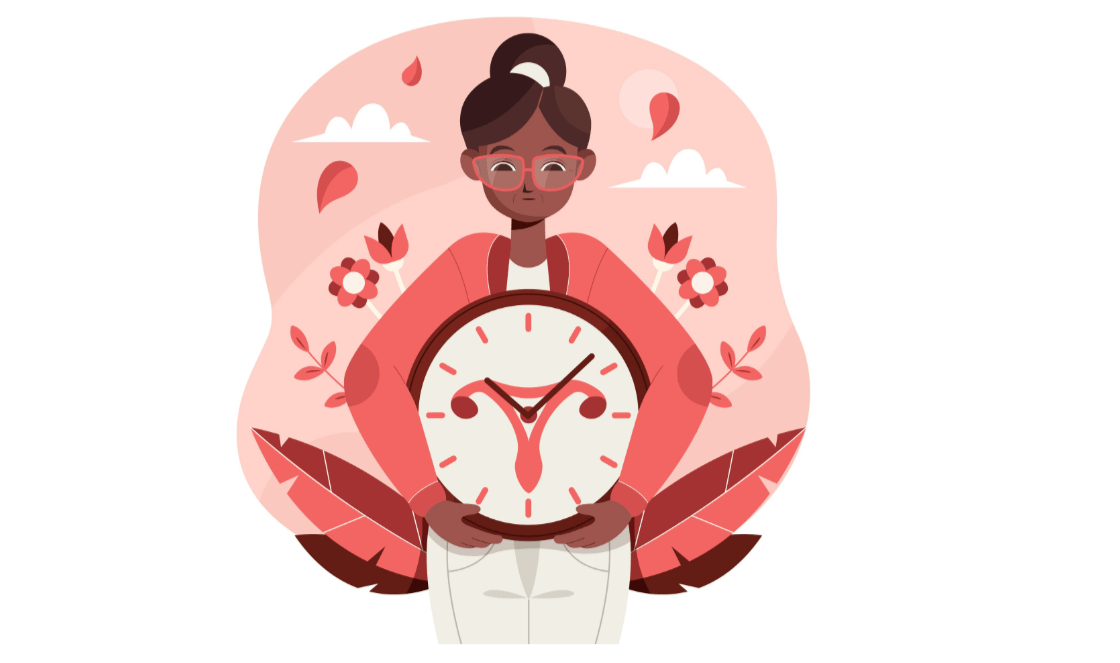
Some women experience perimenopause in their 30s or 40s, a transitional phase preceding menopause. If you’re preparing for this transition, it’s useful to learn about the hormonal fluctuations and unique symptoms that define this pivotal period in a woman’s life.
This guide will help you understand perimenopause, shedding light on the clinical aspects that shape this transformative stage.
What Is Perimenopause?
Perimenopause, often referred to as the “menopausal transition,” marks the period during which a woman’s body gradually transitions towards menopause. Spanning roughly four to 10 years, perimenopause typically begins in a woman’s 40s but can start earlier or later for some.
It’s a time when ovaries start producing less estrogen. This leads to irregular menstrual cycles and a host of challenging symptoms. Understanding the different stages of perimenopause can also help women recognize where they are in the transition and prepare for the symptoms and hormonal fluctuations that accompany each phase.
The Role of Hormones in Perimenopause
Hormones are the primary driver during perimenopause, playing a pivotal role in orchestrating the chaos. Fluctuating levels of estrogen and progesterone create the perfect storm, leading to the erratic symptoms experienced. These hormonal shifts impact your reproductive system and can influence your mood, energy levels, and overall well-being.
What Are the Symptoms of Perimenopause?
Symptoms of perimenopause can manifest in many ways, affecting both the body and mind. Hot flashes and night sweats often make surprise appearances, while irregular menstrual cycles add to the unpredictability. Mood swings resembling a rollercoaster ride may test emotional resilience, alongside potential disruptions in sleep patterns.
Weight fluctuations and changes in libido further contribute to the multifaceted nature of perimenopausal symptoms. For women experiencing persistent low sexual desire, some may explore options such as a female libido medication like Addyi, which is specifically designed to address hypoactive sexual desire disorder (HSDD). These challenges reflect the body’s natural response to hormonal shifts during this transitional phase, underscoring the need for tailored care and support during this transformative period in a woman’s life.
Managing Perimenopause Symptoms
Thriving through perimenopause requires a mix of strategies to keep symptoms at bay. Embracing a healthy lifestyle with regular exercise, balanced nutrition, and stress management can be a lifeline. Additionally, incorporating relaxation techniques like yoga or meditation can help weather the emotional turbulence that often accompanies this phase.
Incorporating vitamins for perimenopause can also offer a natural approach to symptom management. Essential nutrients like vitamins A, C, D, and E play key roles in supporting hormonal balance and overall health during this transition.
Always remember that merging lifestyle adjustments with nutritional aid forms a holistic strategy that can enhance your perimenopausal experience. A blend of lifestyle changes and nutrient-rich support works together to alleviate symptoms and foster a smoother journey through perimenopause.
The Importance of Nutrition During Perimenopause
Nutrition is a cornerstone in effectively managing perimenopause symptoms. During this transitional phase, focusing on a balanced diet rich in essential nutrients can make a significant difference in how you feel.
Incorporating foods high in calcium, vitamin D, magnesium, and omega-3 fatty acids can help support bone health, regulate mood swings, and reduce inflammation. Additionally, staying hydrated and limiting caffeine and alcohol intake can contribute to overall well-being during perimenopause.
Lifestyle Changes for Perimenopausal Women
Embracing lifestyle changes can empower women to sail through perimenopause with greater ease. Prioritizing self-care practices such as sufficient sleep, regular physical activity, and stress reduction techniques can help mitigate the impact of symptoms.
Establishing a consistent relaxation routine, fostering social connections, and exploring hobbies can also provide much-needed emotional support during this transformative phase. Remember, self-compassion and patience are your allies in navigating perimenopause’s ups and downs.
Seeking Professional Help
While self-care strategies and nutritional adjustments can work wonders, seeking professional guidance is crucial during perimenopause. Consulting healthcare providers or menopause specialists can offer personalized insights and tailored recommendations based on individual symptoms and health history.
Your healthcare team can provide valuable resources, recommend appropriate treatments, and monitor your progress as you conquer this natural part of life.
Embracing Change and Empowering Wellness During Perimenopause
Perimenopause is a transition that demands attention, care, and understanding. By recognizing the significance of nutrition and embracing lifestyle changes, women can navigate perimenopause more smoothly. Each woman’s journey through perimenopause is unique, and it’s okay to seek support and information along the way.
Whether you’re sipping herbal tea to calm hot flashes or incorporating vitamins into your routine, the key is to listen to your body and prioritize your well-being. Embrace this transformative time with grace, resilience, and the knowledge that you’re not alone on this journey.

Hey welcome to my blog . I am a modern women who love to share any tips on lifestyle, health, travel. Hope you join me in this journey!


Speak Your Mind