Does your nonprofit rely on donor profiles located across numerous online networks? Integrated nonprofit database software consolidates that information so you can effectively track communications and build strong relationships with your supporters and if you want to generate documents in salesforce check Document generation for Salesforce.
You can store, monitor and analyze your valuable data by importing information from various channels into a centralized source. Whether you’re currently using a data management platform or working from paper and spreadsheets, the right CRM database software can streamline how you track your donor recruitment, fundraising and mission progress.
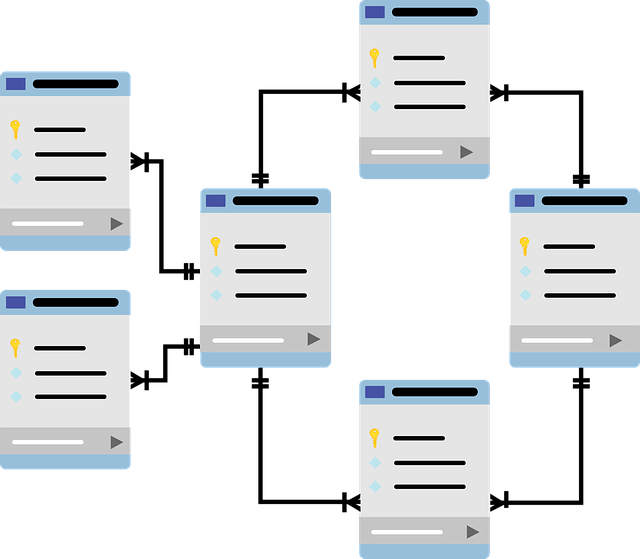
Set Your Non Profit Up For Success with Data Management
Data management can be key to the success of almost any organization. It allows you to quickly access an integrated view of all your vital benchmarks at once. It also enables you to spot cause-and-effect relationships that aid in decision making and plotting a future course.
As your nonprofit organization grows, you’ll need to reach out to an increasing number of supporters. You’ll have a much clearer path to success by using data collection software for nonprofits that can help you keep your organization on course while you build a dependable donor base.
Tips To Organize Your Data For Non Profits
There’s a wide range of information that can be used to your organization’s benefit provided that it all falls into the right categories and nothing slips through the cracks. If you already have an information storage system, you can employ salesforce nonprofit software integration with your current data sets to help you determine the best way to connect with potential donors.
Here are four ways you can make the import process go smoother.
1. Prepare Your Data Cells With a Purpose In Mind
Gather donor details based on the objectives you plan to achieve. If you intend to build long-lasting relationships, you can create data cells that reflect the traits of your most active benefactors. Keeping your mission and fundraising benchmarks in mind can help you plan how you want your information sorted and presented.
2. Create an Identifier for Each Profile
Consider assigning each donor a unique identifier, such as a number or code word, so you can better compartmentalize the donors on your current list. You could, for example, create a customized communications strategy or rewards program code that you assign each supporter.
3. Gather Up All Communications and Responses
Make sure you get all your communications both send-outs and responses into your database. Match your outgoing communications with the response result before inputting them. Each response is valuable because it provides insight into which messages are most likely to engage recipients and maintain their support.
4. Clean-up Your Data Before Importing It
If you’ve been working from a spreadsheet, it may need some tidying up before it’s ready to import. What you’ve already collected may have omissions or errors. There could also be some duplications. You may wish to set-up a hold for checking file for questionable data that needs to be confirmed or corrected.
If your overall fundraising efforts aren’t meeting your goals, you may need to revamp your strategy with the aid of a specialized data-tracking system. A well-integrated nonprofit database software application can provide you with the tools to reach and attract donors who are ready to support your cause and mission.

Hi, I am Subhajit Khara a lifestyle blogger. Besides blogging, I like to play cricket and watch CR7 playing. You can reach out to me at wittythink.com


Speak Your Mind