What makes a person a good parent? Someone who shows love, provides support, sets limits, is a good role model, teaches responsibility, shows respect, knows when to let go, finds time for fun, knows how to say no, and shows endless unconditional love.
However, good parenting isn’t one-size-fits-all. There are different circumstances wherein it may not apply to everyone because each household is unique. Adults were raised in different environments, thus, they have the tendency to either follow the same path their parents treaded on or break the generational cycles.
And, so, setting standards may be a little intimidating. Thus, having a guide is better as it doesn’t impose anything. Having said that, here’s a list of how you can make parenting fun and playful:
1. Involve Kids In Household Chores And Offer Rewards
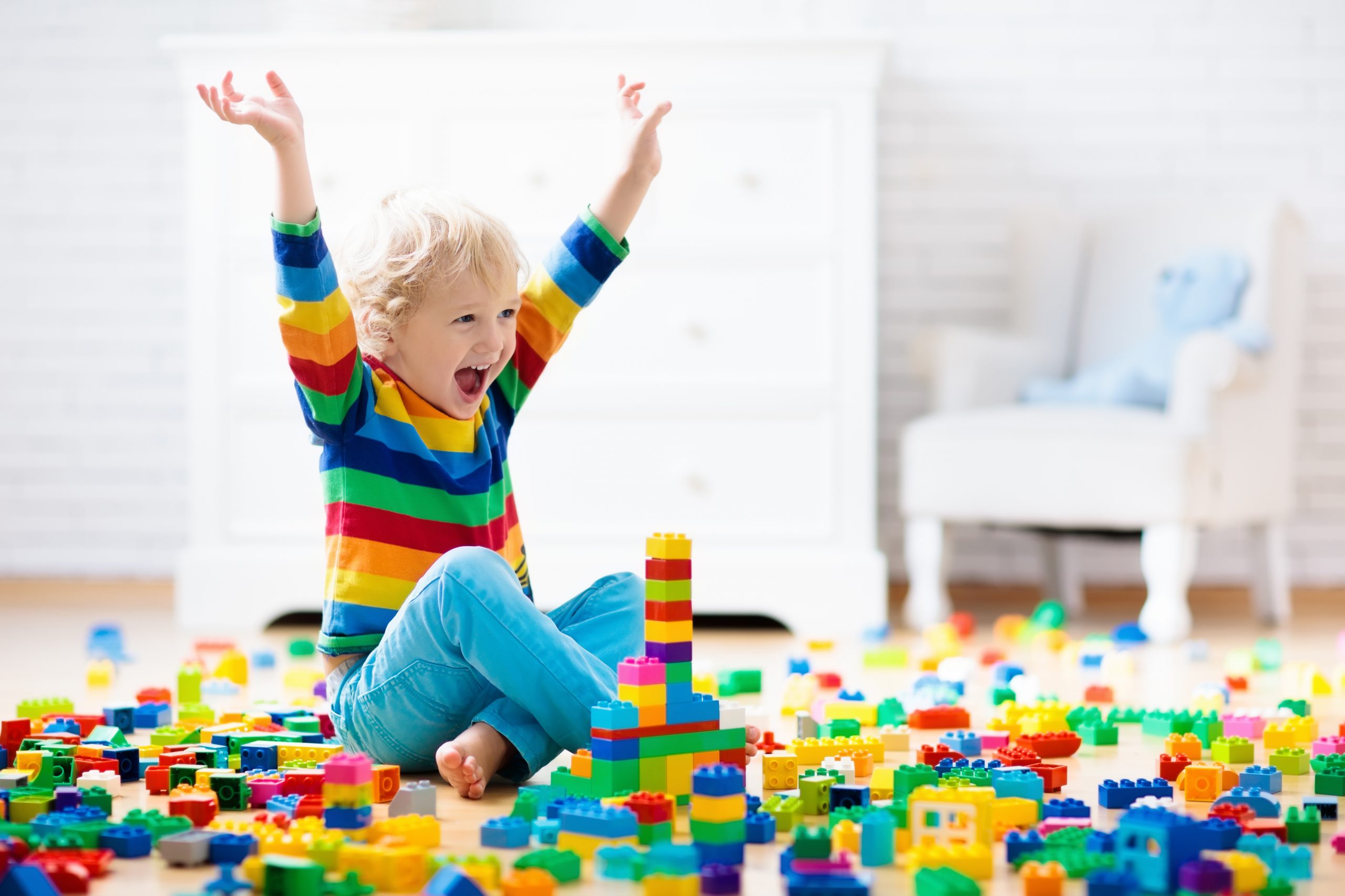
There are chores that kids can handle, with adult supervision, of course. These would teach kids to be responsible and obedient. These tasks will also teach them teamwork, making them realize that there are just some things they can’t do alone, and it’s okay to ask for help. However, don’t expect everything to be done perfectly. Moreover, you can turn household chores into challenges that if they can accomplish their duties, they get rewarded with free Lego or other toys they prefer.
Here are some appropriate chores for different age groups:
- Two to three years old: putting toys away, wiping spills, wiping off dust, arranging books
- Four to three years old: making their beds, getting the mail, clearing tables, watering the plants
- Six to seven years old: sweeping floors, setting the table, tidying up the bedroom, packing up lunches, sorting laundry
- Eight to nine years old: preparing their own snacks, cooking simple recipes, putting away groceries, wiping tables after meals, and mopping floors
- Ten years old and up: folding laundry, washing windows and cars, cooking meals but with supervision, cleaning the kitchen, babysitting younger siblings
After they accomplish the chores, acknowledge the efforts and work done. Say words, like, You did well today, and don’t forget to thank them as well as this will teach them gratitude.
2. Let Their Imagination Run Wild, Read Books, And Quiz Them After
Reading books to kids can give them creative freedom to imagine the stories’ scenes in their heads. Also, reading to them will help them understand the cause and effect of things, and going on adventures’ can help them see different people, colors, shapes, animals, and places. They get a better understanding of how the world works like doctors heal people, teachers help you learn about academics, and more.
Some benefits of letting them read or reading to them include:
- Improving their vocabulary and literary skills
- Helping them concentrate
- Helping them learn new things
- Developing their cognitive skills
By quizzing them, they can improve their problem-solving skills. Asking them open-ended questions can help them express their feelings without any judgment. Also, remind them it’s okay to make mistakes.
3. Organize Indoor And Outdoor Activities
Such activities will teach kids to be creative, think outside the box, and realize that discovering something new and learning never ends. Activities with peers will develop their social skills, and these will show them that adults aren’t all work; they also play. Additionally, consider these activities as their break’ from studying.
Indoor activities can include the following:
- Making DIY fortress using pillows or old boxes
- Playing boardgames, like Connect 4
- Baking cookies or cupcakes
- Solving age-appropriate puzzles that have big pieces
Outdoor activities can include the following:
- Making and flying kites
- Water balloon fights
- Doing a scavenger or treasure hunt, and looking for chocolate coins
- Building tents, doing campfires, and making smores
4. Teach Them Important Life Lessons And Share Your Personal Experiences
Set boundaries, like teaching them the proper time and place for everything: time to play, learn, and do chores. This should help them understand that there are limits to things they can do.
Set house rules, such as being kind and patient, as well as courteous and respectful, saying thank you, and saying sorry, among many others. Also, make them understand that there are consequences for breaking the rules.
Life lessons you can teach your kids include honesty, good manners, respect, time management, responsibility, compassion, and financial literacy.
Tell your kids that they can also be vulnerable and capable of making mistakes. You can also share personal experiences you had as a kid so that they can relate with you. Tell them it’s important to acknowledge how they feel and it’s okay not to get everything right the first time.
Conclusion
Children are great imitators. Teaching them is one thing, but being a good role model can put pressure on you, but remember to do your best. You don’t have to be perfect, but at least do the bare minimum, and that should be okay.
Author Bio:
Martha R. Delfino is an entrepreneur, and now a mom of three. She writes about her personal experiences being a mom. She occasionally hosts social events.

Hey welcome to my blog . I am a modern women who love to share any tips on lifestyle, health, travel. Hope you join me in this journey!


Speak Your Mind