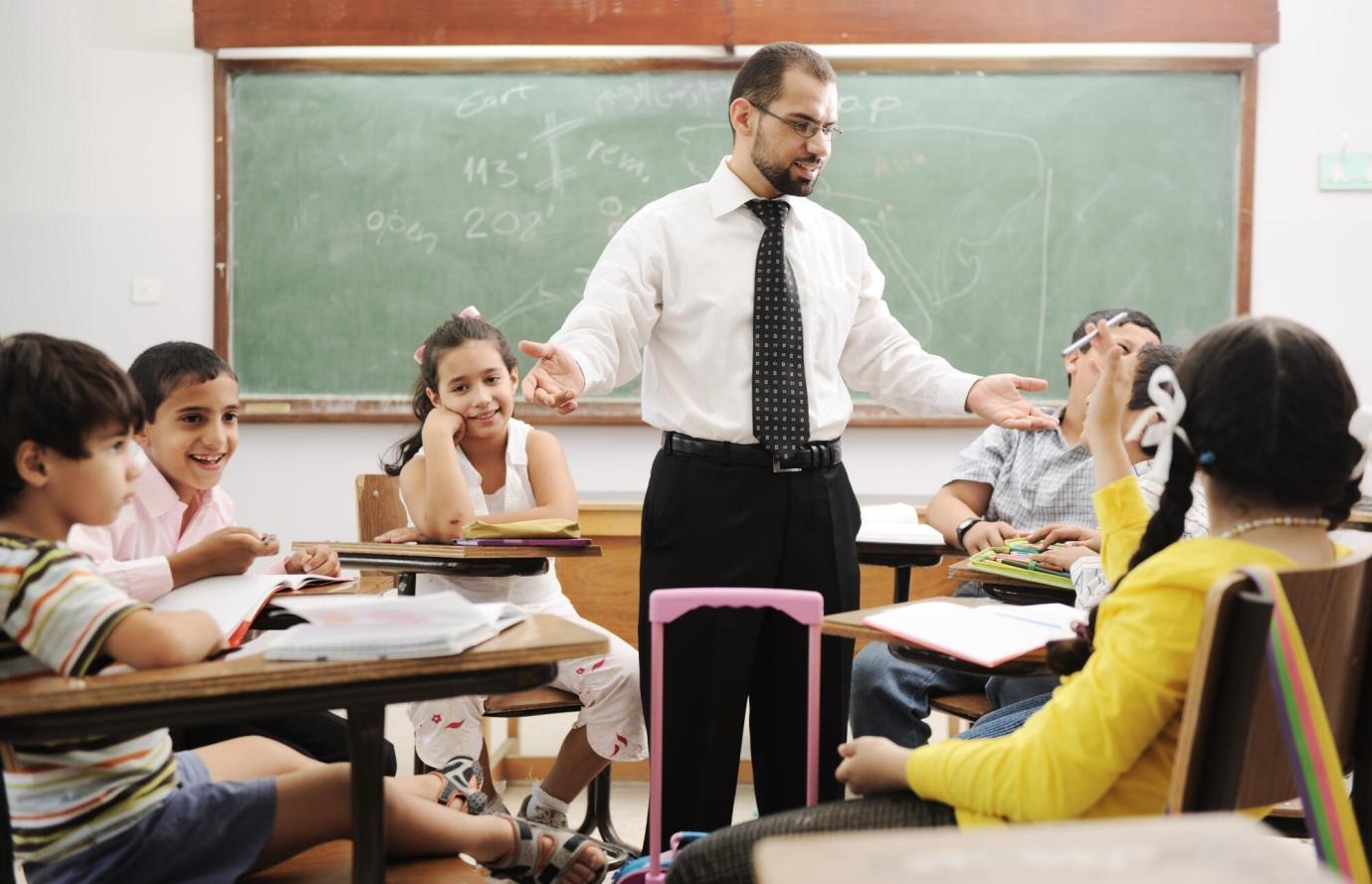
Traditional education has shaped how people learn for many years. It has created familiar routines, clear structures, and shared expectations. Many students rely on this system to guide them through basic skills and important life lessons.
As the world continues to change, it is important to understand how traditional education influences lifelong learning. Knowing its strengths and limits helps learners make better choices for their growth.
Foundation of Core Knowledge
Traditional education gives students a strong base of knowledge. It focuses on:
- reading
- writing
- math
- basic science
These subjects help people understand the world and solve everyday problems. The structured approach teaches students how to follow lessons step by step. This method prepares them to build more complex skills later in life. When learners have a solid foundation, they feel more confident exploring new ideas as adults.
Development of Discipline and Routine
One key impact of traditional education is the habit of discipline. Students learn to follow schedules and meet deadlines. They attend classes at set times and complete tasks in order. These habits become useful later in life, especially in the workplace.
Adults who grew up with traditional routines often manage time better. They also feel more responsible for their actions. This sense of discipline supports lifelong learning because it helps people stay organized when learning new skills.
Influence on Social Interaction and Collaboration
Traditional classrooms encourage students to interact with peers. They work in groups, join activities, and learn to listen to others. These experiences build communication skills that last throughout life.
Adults who develop strong social skills early become better team members. They can:
- share ideas
- accept feedback
- respect different opinions
This type of social learning supports community engagement and workplace success. Schools such as Legacy Traditional Schools Nevada highlight how traditional models can strengthen teamwork and character development.
Limitations on Creativity and Independent Thought
While traditional education has many strengths, it also has some limits. Many classrooms rely on memorization and standardized tests. These methods may restrict creativity. Students may focus only on getting the right answers instead of exploring new ideas.
When learners are not encouraged to think independently, they may struggle to solve unfamiliar problems later in life. This can affect their ability to adapt in a fast-changing world. Lifelong learning thrives when people feel free to:
- question
- imagine
- experiment
Impact on Motivation and Love for Learning
For some students, traditional education can affect motivation. Strict rules and heavy workloads may cause stress. When learning feels like a duty instead of a joy, students may lose interest. This lack of motivation can follow them into adulthood. Lifelong learning depends on curiosity and personal drive.
People learn best when they enjoy the process. If traditional education does not support these feelings, learners may avoid new knowledge later in life. On the other hand, teachers who create supportive environments can inspire lasting enthusiasm.
Learn More About Traditional Education
Traditional education plays a major role in shaping how people learn throughout their lives. It builds strong foundations, teaches discipline, and supports social growth. At the same time, its limits on creativity and motivation can affect lifelong learning.
Understanding both sides helps learners make better choices as they grow. People can use the strengths of traditional education while finding new ways to stay curious and open-minded. Lifelong learning continues when individuals stay engaged, adaptable, and eager to explore new paths.
If you’d like to learn more, check out more articles on our blog.

Hey welcome to my blog . I am a modern women who love to share any tips on lifestyle, health, travel. Hope you join me in this journey!


Speak Your Mind