Washing bottles is one of the first things that comes up when looking after a little one, and so does wiping down toys. A question that perhaps crosses many parents’ minds: how frequently should that water bottle be cleaned, now that sips are given between meals instead of feeds? Water may appear to be safe. However, even an empty container can become a breeding ground for germs if it is left too long without being cleaned. Mold can develop where moisture is present. That is why smells can become sour very quickly around sticky rims. Tackling it every day is what keeps the risks low. Doing it more easily fits into mornings rather than waiting until the time of the day when there is chaos. Health remains good when habits are kept quiet.
How Often to Wash Your Water Bottle for Safety
Most experts recommend washing kids’ water bottles daily. Even though water does not have the sugars that are in milk or juice, small amounts of bacteria still get into the bottle from the child’s mouth. If the bacteria are left, they will multiply, especially if moisture is trapped inside. Heating spots or forgetting in a corner make it even worse.
The morning light hits the countertop just right. After one last sip, the little bottle should definitely be rinsed, maybe even earlier if it is used more than one round. Each time it is emptied, microbes have a chance to settle if not scrubbed away with steady hands and mild soap.
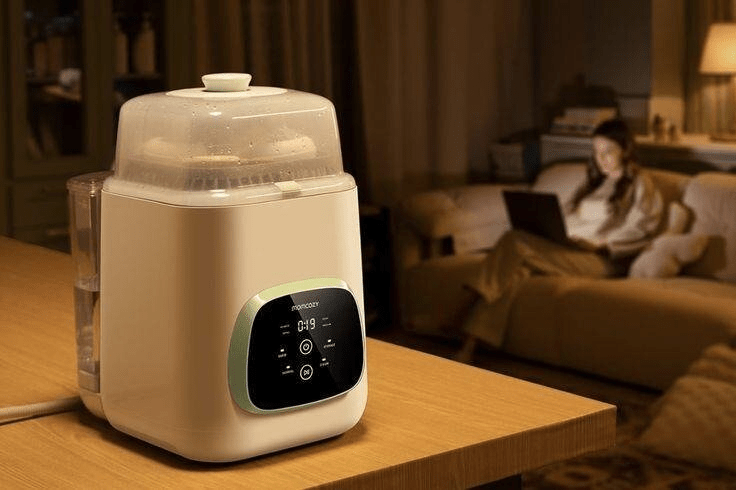
A Momcozy Baby Bottle Washer is all about turning the inside of the bottles when others dont, and it does so very quietly while you are checking diapers or stirring your oatmeal. Clean doesnt have to be flashy, it simply means no sour smell the next day when you open the cap.
Signs You Should Wash Your Water Bottle More Often
Sometimes, just daily washing may not suffice. Certain signs show it is necessary to clean the bottle right away, even if it was recently washed. These are:
- A cloudy or slimy film inside the bottle
- A sour or musty smell
- Mold spots around the lid or straw can be seen
- Sticky residue around the mouthpiece
When your baby has been sick, it is essential to wash the bottle very thoroughly after every use, in order to avoid infecting your baby with the same disease. You can also use your senses, sight and smell to help you determine if a more thorough cleaning is necessary.
Daily vs Weekly Water Bottle Cleaning Explained
Most days, washing the bottle works well. How often it needs cleaning ties directly to how much it gets used. When little ones sip from it now and then, once a week might do, still, if it travels around all day long, fresh each morning makes more sense. Only when sips are rare – and kept bone dry after – could longer gaps slip by. Babies under two? Better safe than sorry with daily rinses.
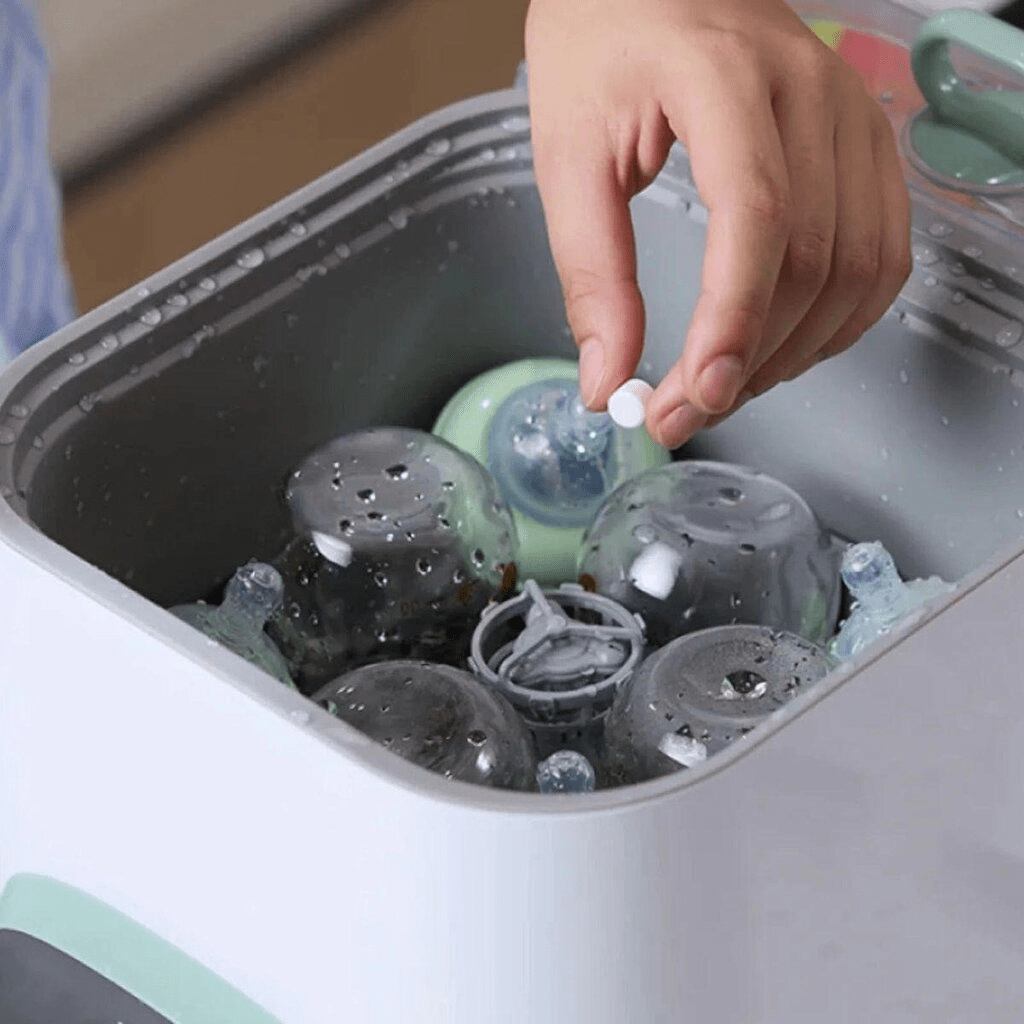
Every day you wash things, yet going further now and then pulls out what stays behind. Sometimes that means leaving pieces in warm soap water, also trying tools made for tight spots. One of these is the Momcozy Baby Bottle Washer, good at reaching inside straws, valves, and places that hands miss easily.
Best Practices on How Often to Wash Water Bottles
Sticking to a routine keeps things clean. Parents might try these steps: one habit at a time builds up slowly, small efforts add up over days, starting early helps it stick better, regular times each day make it easier to remember, showing how it’s done works more than just telling, kids copy what they see adults doing, mistakes happen – just start again tomorrow.
- Wash your baby’s water bottle at least once every 24 hours
- Take apart every piece prior to washing
- Rinse things first under a gentle stream of warmth. A drop of soap made for little ones works well here instead.
- Last thing – wash away every bit of soap with plenty of water
- Let every piece sit until fully dry. Wait till no moisture remains on any part.
Moisture left behind? That’s a breeding ground for bacteria. Residue too. Evening habits make chores easier to remember. Wash bottles nightly.
Impact of Usage on How Often to Wash Water Bottles
Babies who sip throughout the day need cleaner bottles more often. When a bottle stays out on trips or at childcare, grime builds faster. Mealtime-only use tends to keep things tidier between washes. Outside adventures mean extra dirt finds its way inside. Washing every evening helps if the bottle travels everywhere. Some routines demand scrubbing after each use. How much it gets handled changes how soon soap is needed.
Moisture sneaks into straw-equipped bottles, especially around silicone rings or hinge caps. Without a thorough rinse every day, damp spots turn risky over time. Clean them each morning – this stops hidden gunk before it spreads. What looks dry on the outside might still hold wet corners inside.
Tips to Keep Your Water Bottle Clean Longer
Parents juggling work and kids know how much ease counts. Though cleaning is non-negotiable, small routines make a difference – keeping your infant’s bottle fresher till the next scrub. Morning wipes, quick rinses after feeds, storing it open to dry – all these bits add up without adding effort.t
- After every use, pour out what is left inside. Leaving liquid behind invites stagnation. Get into the habit of tipping it upside down. Moisture stuck in there changes over time.
- Top up an older batch of water? Better start clean instead. Refilling mixes ages – uneven quality follows. Fresh doesn’t fix stale.
- Midday might be a good time to wash out the container using fresh water
- Leave the cap aside while the container sits idle
Start each day knowing the bottles are spotless without extra effort. When machines handle scrubbing plus draining, it frees up moments during busy mornings. Parents managing jobs, kids, and meals might find those minutes add up fast. Clean gear ready faster means less worry before bedtime routines.
Final Thoughts
Every day, some parents clean their baby’s water bottle. Most find doing it daily works best. Even if just used for water, tiny germs can matter more to young bodies. Watching how often it gets used helps decide when to scrub it. Leftover gunk shows up sometimes, right near the bottom. A careful rinse followed by full drying cuts risks down. Little routines like this shape bigger health outcomes over time.
Starting each day the same way helps parents stay on track. Bottles get cleaned, yes, but it is really about keeping things safe for the little one. A quick wipe here, a rinse there – these moments add up when time feels tight. What looks like tidiness is actually quiet protection. Routines like this fit between feedings, naps, and school runs. They work because they do not ask for much. Safety grows where habits settle.



Speak Your Mind