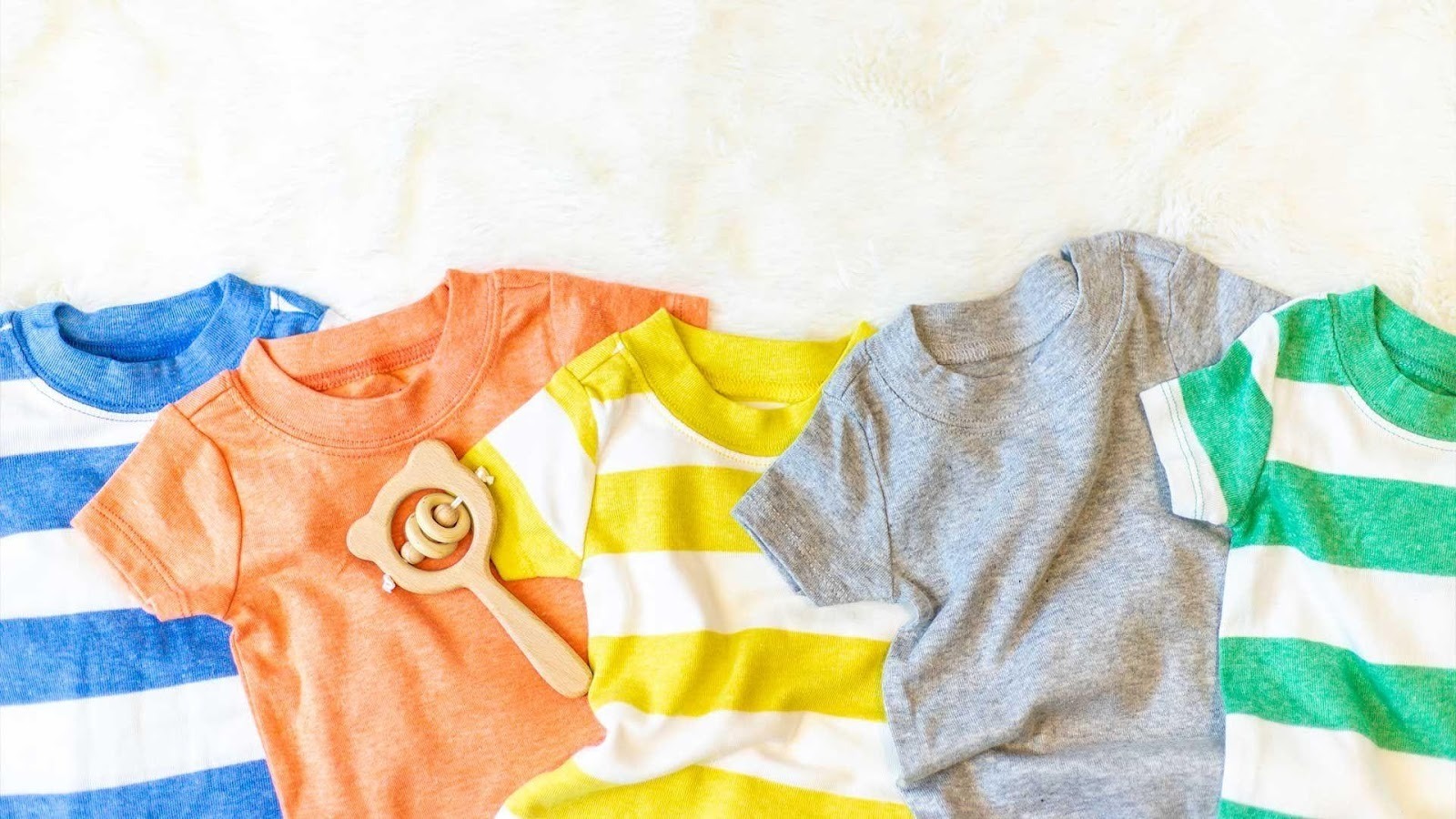
Comfortable Kids Clothes Guide for Smart Parents
It may seem like a simple task to choose the right clothes for your kids, but this can have a big impact on how they feel. Parents are looking for clothes that will keep their kids relaxed, safe, and ready to play. This guide breaks it down, explains the importance of choosing the right material, and shows you what to look for when shopping for clothes that will grow with your child.
What Are Kids Clothes?
Kids clothes are clothing that matches the age, activity, and comfort requirements of children. This includes tops, bottoms, and sleepwear as well as seasonal items.
Early on, children can develop good dress habits by wearing clothing that allows them to move freely, be comfortable in all weather conditions, and stay warm. Parents often look for items that are durable, comfortable, and practical as their children grow rapidly.
What To Look For When Choosing Clothing For Your Children
Children spend the day learning, exploring, and running. Clothing that matches their pace makes a big difference to how they feel. Quality clothing reduces skin irritation and allows for easy movement. Clothing for children that is well-chosen can also encourage healthy habits, like proper sleep and outdoor activities.
Key Factors to Consider When Buying Kids Clothes
1. Fabric Comfort
Clothing has a strong impact on children. Soft, breathable fabrics reduce discomfort and promote freedom of movement. Natural fibers are often lighter and better at managing moisture. Bamboo Pajamas are a popular choice for parents because of their soft texture and gentle feel.
2. Fit and Movement
The clothing should be comfortable and not restrict movement or hang loosely. Clothing that fits well helps children feel comfortable during school, sports and playtime. Easy-to-wear clothing includes elastic waistbands, stretch fabrics, and simple closures.
3. Durability
Children are active, and their clothing must be able to withstand frequent washings and rough usage. Using stronger fabrics, reinforced stitching and colors that resist fading will keep your outfits looking great for a longer period of time. Durability helps to reduce the need for frequent replacements.
4. Weather Suitability
Winters require insulation that is light and breathable. It is easy to adapt to changes in temperature by layering. Bamboo Pajamas are popular for sleepwear because they keep children warm without overheating.
5. Skin Sensitivity
Certain materials or dyes can cause irritation in children with sensitive skin. Fabrics that are hypoallergenic and smooth reduce irritation. This is why soft fibers like those in Bamboo Pajamas or other soft fabrics are chosen.
How to Build a Useful Kids Clothes Wardrobe
Step 1: Get to know the basics
The basic items in a child’s wardrobe are usually the essentials: tops, bottoms, and underwear. The use of soft and flexible fabrics makes dressing easier. Items like Bamboo Pajamas help create a comfortable nighttime routine.
Add seasonal layers
Children are prepared for the outdoors with seasonal pieces like jackets, sweaters, and sun-protective clothing. Choose lightweight layers that you can add or remove easily.
Step 3: Include Activity-Ready Outfits
Clothing for sports, outdoor activities, and school should be easy to wash and breathable. Kids can dress themselves more confidently with stretchy fabrics and easy closures.
Step 4: Select Sleepwear Wisely
Sleepwear that is comfortable and regulates temperature should be soft on the skin. Bamboo Pajamas are a favorite of many families because they remain soft after multiple washings.
Practical Tips for Parents
Tip 1: Check the labels
You can also look for size and fabric guidelines. You can choose clothing that is durable and comfortable.
Tip 2: Choose neutral and mixable colors
Choose colors that blend well to create many outfit combinations using fewer pieces. Neutrals, simple patterns, and seasonal prints are more in fashion than neutrals.
Tip 3: You should also allow room for growth.
Choose a slightly flexible fit to avoid having to replace your child’s clothing constantly. Adjustable features are more cost-effective.
Tip 4: Prioritize Easy Care
Clothing for children should be easy to wash, dry quickly, and remain soft. Saving time by choosing fabrics that don’t shrink or fade is a great way to save money.
Common Mistakes Parents Make (and How to Avoid Them)

- Choosing Style Over Comfort
Attractive clothing can sometimes be made from stiff, synthetic materials that irritate your skin. Comfort is always the priority.
- The Wrong Size When Buying
Clothing that is too tight or oversized can restrict movement. Compare the size charts with your child’s measurements.
- Ignoring Fabric Quality
Some fabrics are soft initially, but lose their shape after washing. Choose items that retain their softness, like Bamboo Pajamas.
- Over-Filling The Wardrobe
A wardrobe full of clothes can lead to clutter, which is expensive. A well-organized, small wardrobe makes it easier to manage your child’s clothes and ensures that they are comfortable.
- You Can’t Forget About Weather Needs
When you buy clothes based on trends instead of weather, they will sit unworn. The wardrobe should be matched to the daily routine and climate.
Expert Tips to Make Better Clothing Choices
Experts often recommend choosing breathable fabrics for daytime wear, temperature-balancing materials for sleep, and flexible fits for active kids. Children sleep better on soft, breathable fibers that prevent overheating. Bamboo Pajamas are popular among parents who want to improve their children’s sleep habits.
Parents should also check the washing instructions and test the fabric before buying. Clothing that lasts longer reduces both waste and cost, which makes it an excellent choice for families.
Final Words
When choosing good clothes for kids, comfort, safety, and practicality are important. Parents who understand the importance of material quality, fit, and durability can build a wardrobe to support a child’s everyday routine. Making thoughtful choices can lead to improved sleep, more fun, and better dressing habits.
FAQs
1. What are the best fabrics for children’s clothing?
For everyday comfort, choose materials that are soft, lightweight, and breathable.
2. How often should I change my kids’ clothes?
Replacing items that are too tight, worn-out, or uncomfortable for your child is a good idea.
3. Are natural fabrics better for sensitive skin?
Natural fibers can reduce irritation. They also provide a softer feel.
4. How many essential items do children need?
Depending on your routine, a small collection of tops, bottoms, and sleepwear can be sufficient.

Hey welcome to my blog . I am a modern women who love to share any tips on lifestyle, health, travel. Hope you join me in this journey!


Speak Your Mind