
Bringing a dog home changes the rhythm of a household almost immediately. There are new feeding times to remember, walks to squeeze into busy mornings, and probably a few household rules everyone will need to learn together.
But your dog is adjusting, too.
Whether you have adopted a puppy, an adult dog, or a senior, the first month is less about creating a perfect routine and more about building a safe, predictable foundation.
A little preparation during these early weeks can make everyday life easier while giving you a chance to notice what is normal for your new companion.
Here is a practical, vet-informed checklist for making those first 30 days count.
Days 1 to 3: Give your dog room to decompress
It is tempting to introduce a new dog to everyone immediately, but the first few days are often better kept quiet. New surroundings bring unfamiliar smells, noises, people, routines, and expectations.
Set up a comfortable area with a bed, fresh water, and easy access to the outdoors for bathroom breaks. Keep introductions with family members calm, particularly with young children.
We have previously recommended allowing newly adopted pets time to themselves rather than overwhelming them with attention in its guide to preparing children to care for pets. That advice is especially helpful during the first few days.
Watch how your dog responds rather than forcing interaction.
Some dogs explore immediately, while others may sleep more, hide, eat cautiously, or stay close to one person. Give them time to show you what makes them comfortable.
Week 1: Schedule a veterinary checkup
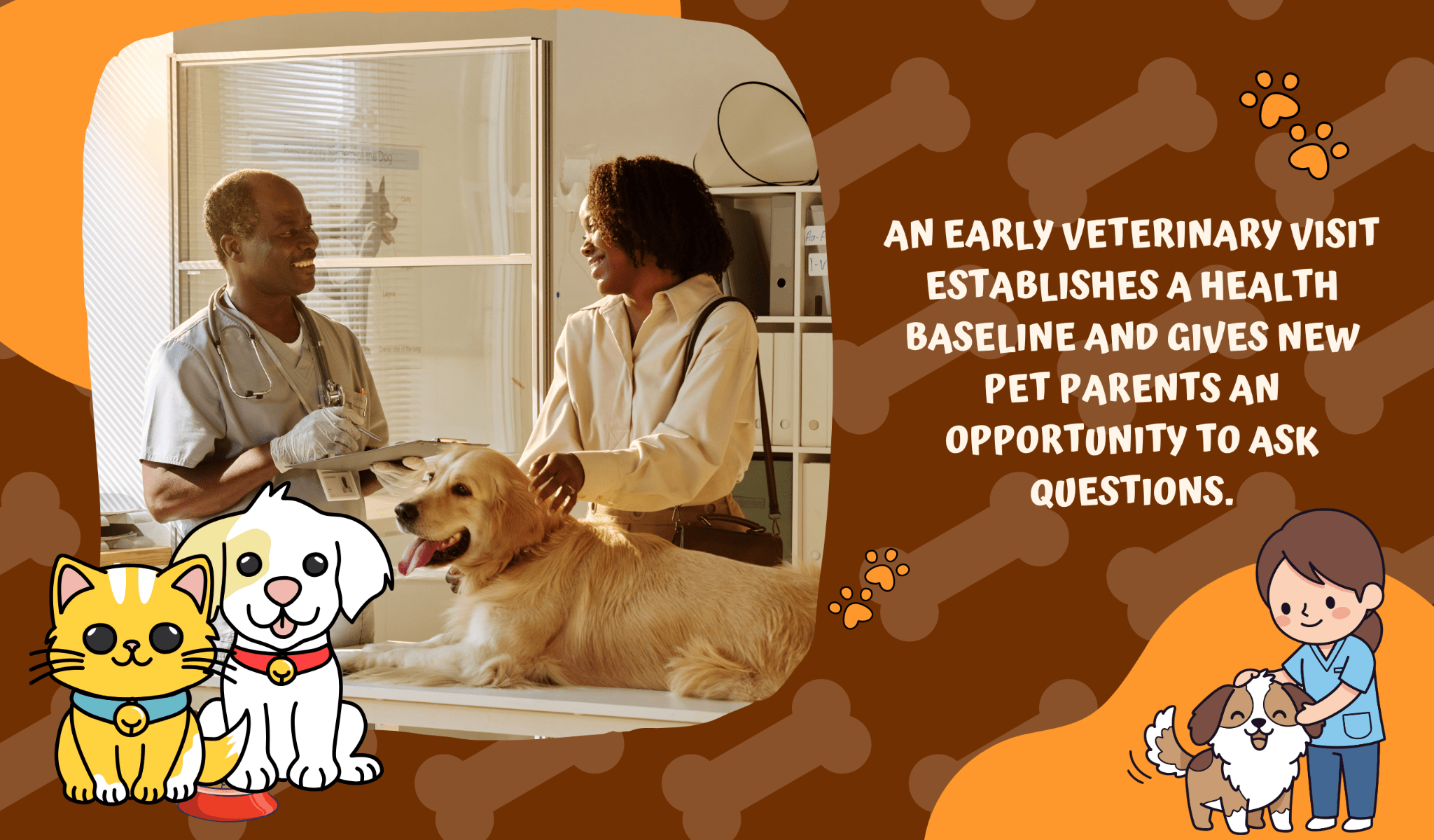
Even when a dog appears perfectly healthy, arranging a veterinary appointment early is useful. Veterinarians at Denver based clinic Sploot recommends bringing newly adopted puppies in for an examination as soon as practical, and wellness visits can help establish an important baseline for ongoing care.
Bring any medical, vaccination, adoption, and medication records you received. Your veterinarian may discuss vaccinations, parasite prevention, nutrition, dental health, weight, behavior, and any health concerns relevant to your dog’s age and lifestyle.
This is also a good time to decide where you would go if your dog suddenly became sick or injured. In Denver, veterinary clinics such as Sploot Veterinary Care offer primary and urgent care under one roof, with same-day appointments and urgent drop-offs available during extended daily hours.
Having the contact details for your regular veterinarian, the nearest emergency hospital, and urgent veterinary care near you saved ahead of time can make it easier to find appropriate care when an unexpected health concern arises.
Vaccination plans should be individualized with a veterinarian. The American Animal Hospital Association recommends assessing a dog’s vaccination needs according to factors including age, health, environment, and lifestyle.
Week 1: Check identification and microchip details
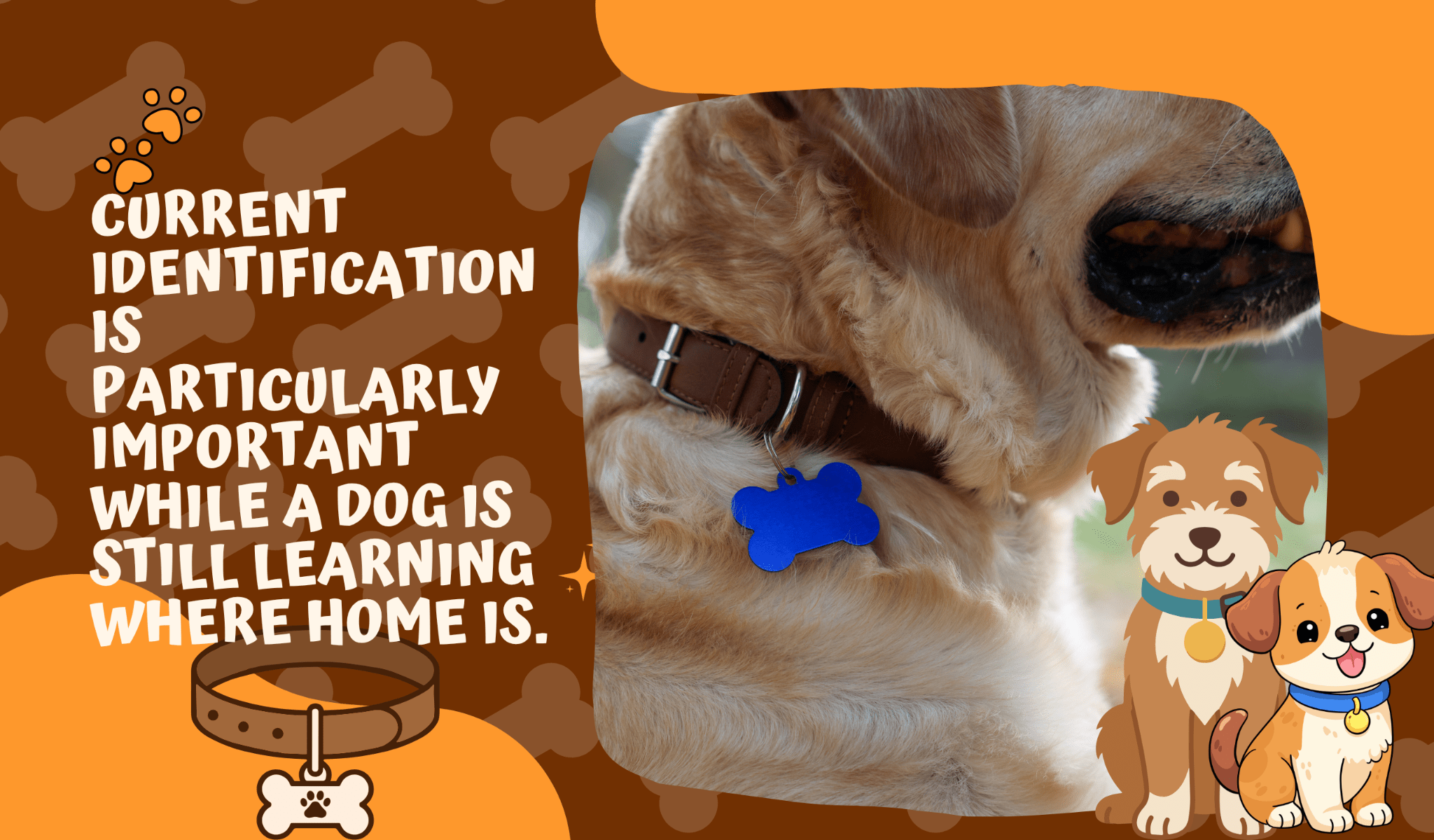
A secure collar and readable identification tag belong near the top of your first-week checklist.
If your dog is already microchipped, confirm that the registration contains your current phone number and address. If not, ask your veterinarian whether microchipping is appropriate.
A microchip can be implanted during a routine veterinary visit and recommends keeping registration information current.
This small administrative task can be easy to overlook amid the excitement of adoption.
Week 1: Keep food changes gradual
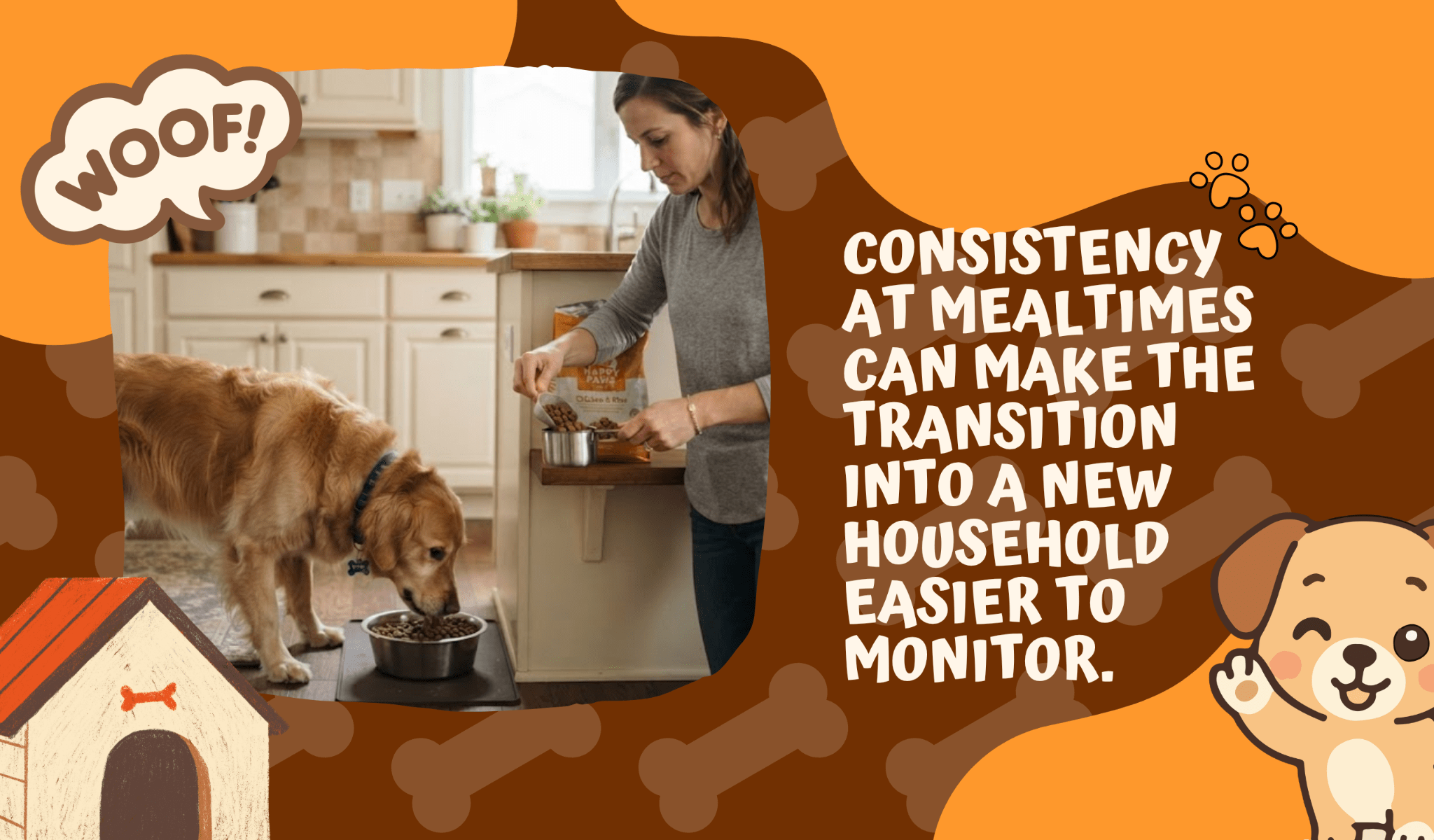
Ask the shelter, rescue, breeder, or previous caregiver what your dog has been eating. Unless your veterinarian recommends otherwise, avoid changing everything on the first night.
A consistent diet initially also makes it easier to notice appetite changes or digestive trouble.
Ask your veterinarian about appropriate food, serving amounts, meal frequency, and treats based on your dog’s age, body condition, activity level, and medical needs. The CDC recommends providing dogs with an appropriate diet and fresh water and advises pet owners to consult veterinarians about maintaining a healthy diet.
Keep potentially dangerous human foods and household products out of reach. The ASPCA identifies foods including chocolate, xylitol-containing products, grapes, raisins, onions, and garlic among potential hazards for pets.
Weeks 1 and 2: Create a routine you can actually maintain
Dogs benefit from knowing roughly what happens next.
Choose realistic times for meals, walks, bathroom breaks, play, training, and bedtime. Your schedule does not need to operate by the minute. The goal is simply to create enough consistency that your dog begins understanding the household rhythm.
If children will share pet-care responsibilities, give them specific, age-appropriate jobs with adult supervision.
Consistency between family members matters, too. Decide early whether the dog is allowed on furniture, which rooms are off-limits, and which cues you will use for behaviors such as sitting or coming when called.
Weeks 2 and 3: Make handling a positive experience
Everyday dog care eventually involves touching paws, looking at ears, brushing fur, checking the mouth, and being examined by veterinary professionals.
Introduce these experiences gradually when your dog is relaxed. Touch a paw briefly, offer praise or a small reward, then stop before your dog becomes uncomfortable.
Sploot veterinarian Dr. Sylvia Berns recommends incorporating positive reinforcement and being consistent with handling at home, adding that starting early can be particularly helpful.
Do not force the exercise if your dog becomes fearful, stiff, growls, or tries to move away. A veterinarian or qualified behavior professional can help if handling is consistently difficult.
Weeks 2 and 3: Dog-proof the house again
You probably dog-proofed before adoption, but now you know more about your dog’s personality.
One dog ignores shoes and goes straight for the trash. Another may investigate electrical cords, houseplants, children’s toys, or food left near the edge of a counter.
Preparing an apartment for a dog recommends securing medicines, cleaning products, trash, cords, and other potentially dangerous items.
Check your home again after observing your dog’s habits for a week or two. Also review the ASPCA’s toxic plant and household-product resources if you are unsure whether something is pet-safe.
8. Weeks 3 and 4: Learn your dog’s normal
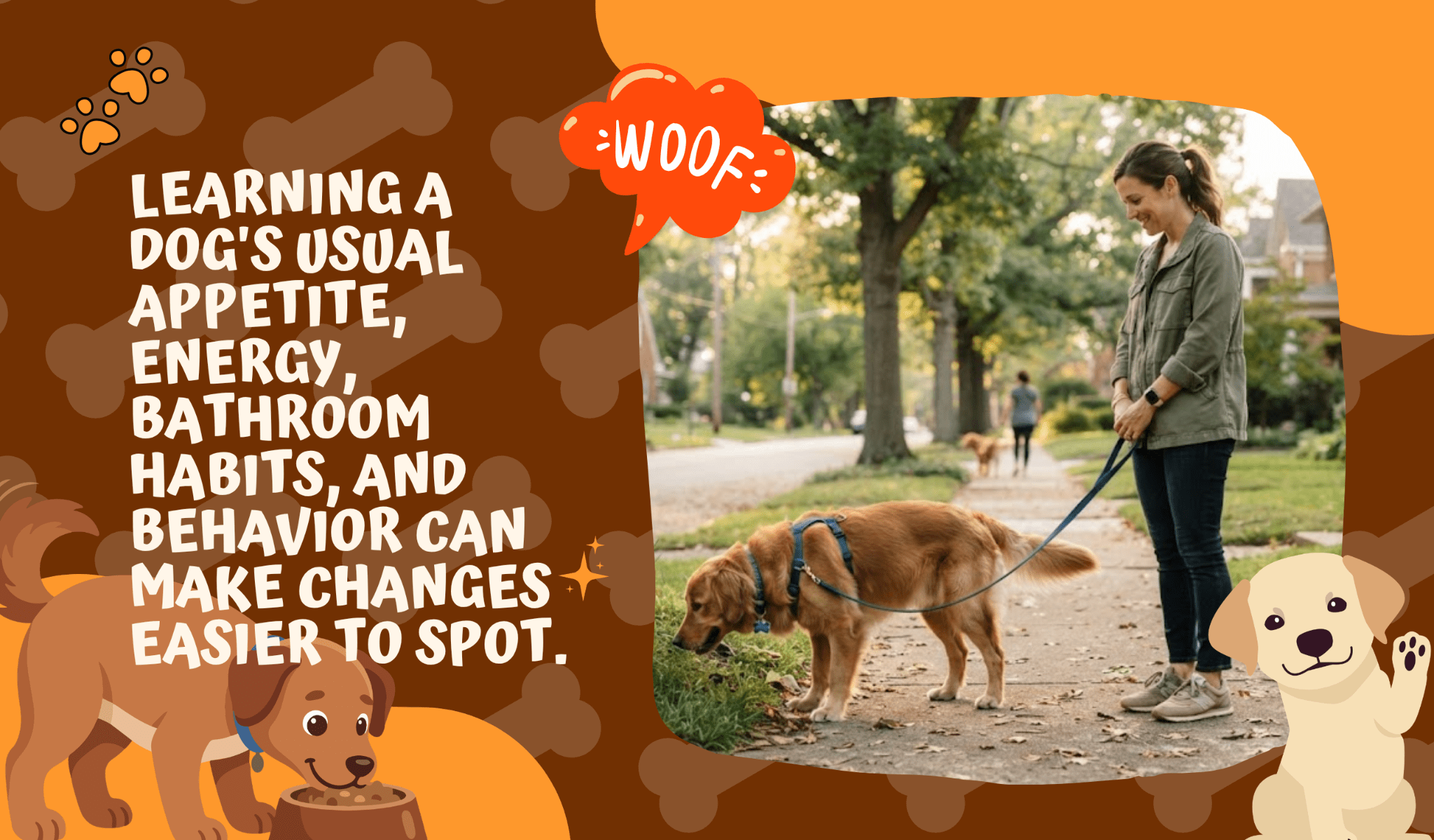
By the third or fourth week, you will probably have a much clearer picture of your dog’s everyday habits.
Pay attention to normal appetite, drinking, bowel movements, urination, energy, sleep, breathing, mobility, and behavior. This does not mean monitoring every movement. It simply gives you a reference point.
Changes such as repeated vomiting, difficulty breathing, collapse, seizures, severe pain, or sudden inability to stand can require prompt veterinary evaluation.
For less dramatic changes, such as persistent itching, changes in appetite, recurring digestive problems, or unusual behavior, contact your veterinarian rather than trying to diagnose the cause at home.
Day 30: Review what is working
At the end of the first month, ask a few simple questions.
- Is your dog’s feeding schedule manageable?
- Are bathroom routines becoming predictable?
- Are walks appropriate for their energy level?
- Is everyone using the same training cues?
- Have you completed the veterinary and identification tasks you intended to handle?
You do not need to solve every behavior or establish every lifelong habit in 30 days.
The more useful goal is to finish the month knowing your dog better than you did on day one.
With a veterinary relationship established, household hazards addressed, and a dependable routine beginning to form, you have already created much of the groundwork for a healthy life together.

Hey welcome to my blog . I am a modern women who love to share any tips on lifestyle, health, travel. Hope you join me in this journey!


Speak Your Mind