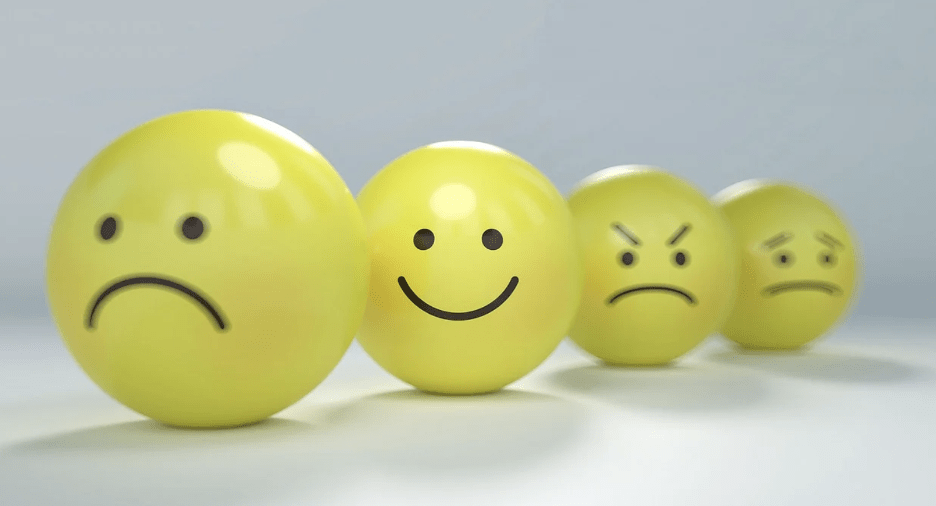
Depression is a mental disorder characterized by low mood, apathy, and loss of interest in normally enjoyable activities. It can cause physical symptoms such as fatigue, insomnia, and weight loss or gain. Depression can have a negative impact on your quality of life by causing you to lose interest in activities you once enjoyed, withdraw from social interactions, and feel hopeless about the future.
The most noticeable effects of depression can be seen in a person’s mood and behaviour. A person with depression may seem persistently sad, anxious, or irritable. They may have little energy and motivation and may find it difficult to concentrate or make decisions. Depression can also lead to physical symptoms such as fatigue, insomnia, weight loss or gain, and aches and pains.
There is no single cause of depression, but it is thought to be caused by a combination of genetic, biological, psychological, and environmental factors. Depression can occur at any age, but it is most common in adults. According to the National Institutes of Mental Health, about 16 million adults in the United States have had at least one episode of major depression.
Patients with depression may experience a range of symptoms, from mild to severe. While some people with depression may attempt or commit suicide, not all do. People with depression are also at increased risk for other mental and physical health problems, such as anxiety disorders, substance abuse, and heart disease.
There are many different signs and symptoms of depression, but some common ones include feeling sad or empty most of the time, loss of interest in activities that used to be enjoyable, changes in appetite or weight, sleep problems, fatigue, difficulty concentrating, and thoughts of death or suicide. It’s important to catch depression early, before it consumes you and becomes major depressive disorder.
Depression is a general term that can refer to a range of mood disorders, while major depressive disorder (MDD) is a specific diagnosis. MDD is characterized by persistent low mood and loss of interest in activities, lasting for at least two weeks. To be diagnosed with MDD, a person must also experience at least four other symptoms, such as sleep problems, fatigue, changes in appetite or weight, difficulty concentrating, and thoughts of death or suicide.
Transcranial Magnetic Stimulation (TMS) for Depression
TMS (Transcranial Magnetic Stimulation) has been used to help relieve patients with neurological or mental disorders for many years. Researchers, doctors, and patients have been looking for alternative therapies, even though many patients were considered resistant to treatment and the side effects of ECT (Electroconvulsive Therapy), as well as certain mental health medications preventing them from seeking treatment.
In the 1980s, the first public release of a new medical device called transcranial magnetic stimulation (or simply TMS) emerged. TMS therapy was designed to improve on its predecessors. Unlike ECT, TMS has no significant, long-lasting, or adverse side effects. It’s totally non-surgical and there is no risk of infection. When patients are not responding to traditional treatment, TMS therapy can be particularly effective. It is an empirically-based medical device option that can appeal to patients who don’t find talk therapy effective.
TMS is a noninvasive medical device that regulates the neural activity of brain structures associated with a specific mental health condition. Two of these conditions are Depression which has been linked to erratic activity within the dorsolateral and bilateral prefrontal cortices, and OCD (Obsessive-Compulsive Disorder) which has been linked to erratic activity within the anterior cingulate cortices of the brain.
A typical TMS treatment session takes between 20 and 40 minutes. The TMS operator will place the patient in a comfortable chair while focusing the machine’s electromagnetic field on the target area of the brain. Deep TMS by BrainsWay, uses a patented H-Coil as opposed to the traditional Figure-8 for deeper wave depth and coverage. TMS treatment plans usually include daily maintenance sessions for four to five weeks.
Traditional Depression Treatments
There are many different types of treatments for depression, but the most common are medication, psychotherapy, and a combination of the two. Medication can be divided into three main groups: tricyclic antidepressants (TCAs), selective serotonin reuptake inhibitors (SSRIs), and serotonin-norepinephrine reuptake inhibitors (SNRIs).
- TCAs are older medications that are generally less effective than SSRIs or SNRIs, but they may be helpful for people who do not respond to other medications. Common side effects of TCAs include dry mouth, constipation, weight gain, drowsiness, and dizziness. Tricyclic antidepressants: imipramine (Tofranil), amitriptyline (Elavil), and nortriptyline (Pamelor)
- SSRIs are the most commonly prescribed type of antidepressant medication. They work by increasing levels of serotonin in the brain. Common side effects of SSRIs include nausea, headache, insomnia, sexual dysfunction, and anxiety. Selective serotonin reuptake inhibitors: fluoxetine (Prozac), sertraline (Zoloft), paroxetine (Paxil), and escitalopram (Lexapro).
- SNRIs are newer medications that work by increasing levels of both serotonin and norepinephrine in the brain. Common side effects of SNRIs include nausea, headache, insomnia, sexual dysfunction, and anxiety. Serotonin-norepinephrine reuptake inhibitors: venlafaxine (Effexor), duloxetine (Cymbalta), and desvenlafaxine (Pristiq)
In a study by “The Guardian,” about 60% of people are seen to respond to antidepressants. Such conditions are termed “Treatment-Resistant Depression” and can be improved with Modalert 200mg. These are Nootropics and are given in conjugation with antidepressants for better results. The use of Modalert in the USA is approved by the FDA and is available without prescriptions at online pharmacies.
Psychotherapy for Treating Depression
Psychotherapy, also known as talk therapy, is a common treatment for depression. It involves talking with a therapist about your thoughts, feelings, and experiences. Psychotherapy can help you understand and work through your depression. It can also help you develop skills to cope with difficult situations and emotions.
Common types of psychotherapy used to treat depression include cognitive-behavioral therapy (CBT), interpersonal therapy (IPT), and problem-solving therapy.
Cognitive-behavioral therapy: This type of therapy helps you identify and change negative thinking patterns and behaviors that contribute to your depression.
Interpersonal therapy: This type of therapy focuses on your relationships with others and helps you identify and work through problems in these relationships that may be contributing to your depression.
Problem-solving therapy: This type of therapy helps you identify specific goals and develop strategies to overcome obstacles that are preventing you from reaching these goals.

Hey welcome to my blog . I am a modern women who love to share any tips on lifestyle, health, travel. Hope you join me in this journey!


Speak Your Mind