Why Are My Allergies Worse at Home?
Allergies that intensify at home may indicate an accumulation of airborne allergens or underlying moisture problems within your living space. Dust mites, mold spores, pet dander, pollen, and cockroach allergens can collect in carpeting, upholstered furniture, bedding, and HVAC systems, contributing to repeated exposure throughout the day. Children with asthma or existing sensitivities may be particularly susceptible to indoor allergens.
Understanding what makes allergies worse at home requires examining the conditions that contribute to repeated allergen exposure. Your home has its own exposure patterns shaped by room temperatures, airflow, moisture levels, furnishings, and daily household activities. Even two bedrooms within the same property can have substantially different environmental conditions.
For example, a child’s bed positioned against a poorly insulated exterior wall may be near an area where condensation and concealed mold develop. Meanwhile, stuffed animals and play mats can act as allergen reservoirs, releasing accumulated particles during ordinary activities.
Adults and children sharing the same environment may also react differently. A parent might experience irritated eyes and sneezing, while their child develops nighttime congestion, coughing, or disrupted sleep.
Hidden Plumbing Leaks and Mold Allergy
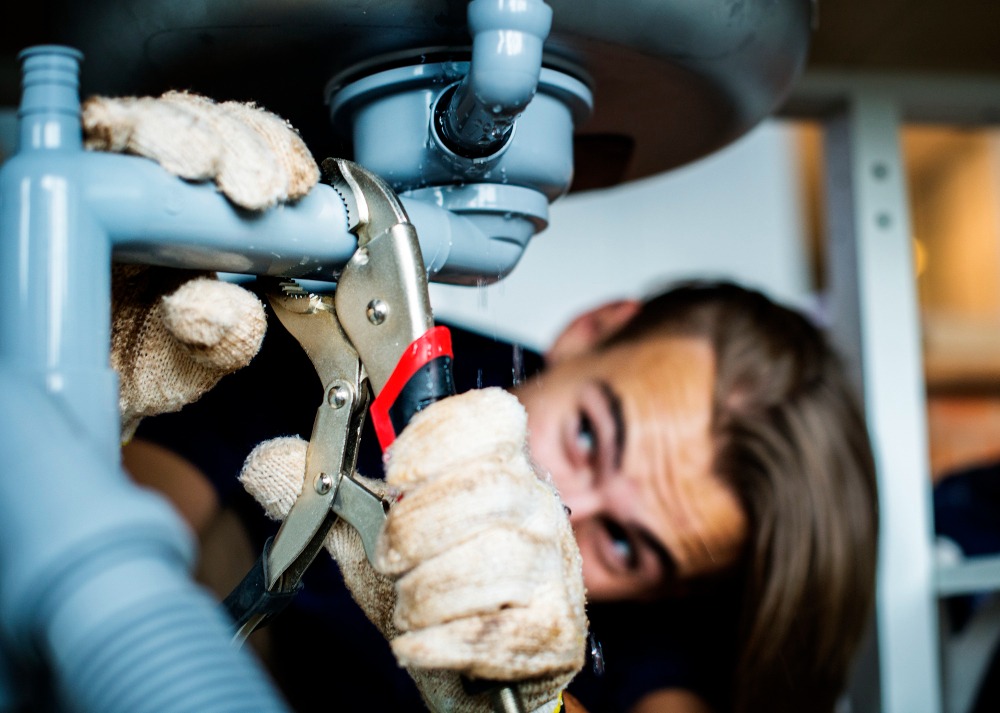
Even a slow plumbing leak behind a wall, beneath a bathroom floor, or under a kitchen cabinet can create a favorable environment for mold growth. When materials such as drywall, wood, and insulation remain damp, mold can begin developing within 24 to 48 hours.
One frequently overlooked characteristic of plumbing leaks is the ability of moisture to travel through building materials by capillary action. Water can migrate through porous surfaces, allowing mold to develop some distance from the original plumbing defect.
Intermittent leaks are particularly difficult to discover. A compromised shower drain, for instance, may release water only when someone bathes, repeatedly replenishing moisture inside a concealed floor cavity. These recurring wetting cycles can sustain mold colonies behind surfaces that appear completely dry.
Growing mold can release spores and microscopic fungal fragments that contribute to allergen exposure in children with a mold allergy. Prolonged moisture exposure can also encourage dust mite activity, introducing another common household allergen.
Because concealed leaks can remain undetected for months, children may experience repeated allergen exposure and develop recurring mold allergy symptoms before visible water damage appears.
Common Mold Allergy Symptoms in Children
Mold allergy symptoms in children can resemble a persistent cold or seasonal allergies. Common symptoms include frequent sneezing and nasal stuffiness, persistent runny nose, itchy, watery, or irritated eyes, throat irritation and persistent coughing, wheezing or asthma flare-ups, and itchy skin or allergic skin reactions.
Mold allergies can also manifest through changes in a child’s everyday behavior. Young children who struggle to describe their discomfort may frequently rub their nose upward, sometimes called the allergic salute, or clear their throat repeatedly because of postnasal drainage. Parents may also notice mouth breathing while sleeping, waking up with a dry throat or nasal congestion, and irritability or difficulty concentrating during the day following disrupted sleep.
These manifestations are associated with allergic rhinitis and respiratory irritation generally and cannot establish a mold allergy independently. Parents should discuss persistent symptoms with a pediatrician or allergist, particularly when breathing difficulties or recurrent wheezing occur. Children experiencing severe breathing difficulties require immediate medical attention.
Can Dirty Air Ducts Cause Allergies?
Parents searching for information about dirty air ducts allergies may be concerned about the effects of HVAC contamination on their children’s respiratory health. Heavily contaminated air ducts can potentially contribute to allergen exposure when accumulated particles become airborne during heating and cooling cycles. Ductwork affected by moisture, pest infestations, or substantial debris buildup may introduce additional contaminants into occupied rooms.
Several HVAC defects can increase the potential for exposure. Poorly fitted filters may allow particles to travel around their edges, a phenomenon known as filter bypass. Deteriorating internal duct insulation can introduce additional airborne debris, while moisture around evaporator coils can support microbial growth.
Ordinary dust accumulation inside ductwork is common, and its presence alone does not establish a health risk. Routine duct cleaning has not been conclusively demonstrated to prevent allergies. The Environmental Protection Agency (EPA) recommends air duct cleaning on an as-needed basis when significant contamination is identified.
A comprehensive HVAC assessment should examine filtration integrity, internal insulation, cooling coils, condensate drainage, and duct connections. The findings can help establish whether targeted cleaning, component replacement, or mechanical repairs are appropriate.
How Leaks and Air Ducts Affect Air Quality and Mold Allergy
Plumbing and HVAC systems often occupy shared spaces behind walls, above ceilings, and within crawl spaces. A concealed water leak in these areas can expose duct insulation to persistent moisture, encouraging microbial growth.
The relationship between plumbing leaks and HVAC contamination becomes particularly important when negative air pressure develops inside return ductwork. Return ducts draw household air toward the HVAC equipment. A poorly sealed return connection located near a water-damaged crawl space or wall cavity can potentially draw moisture-laden air and suspended contaminants into the system.
Circulating air may carry these contaminants into other parts of the home, including children’s bedrooms. This increased exposure can potentially make allergies worse at home, particularly among children with existing respiratory sensitivities.
A separate complication can develop when cold duct surfaces pass through humid, water-damaged spaces. Condensation may form around inadequately insulated ductwork, creating additional moisture accumulation and favorable conditions for microbial growth.
Over time, these interacting defects can create multiple contamination sites throughout the property.
Mold Allergy Triggers: Signs of Leaks, Mold, and Dirty Ducts
Subtle changes in your home’s appearance, smell, and performance can reveal developing moisture and air quality problems. Homeowners should pay attention to recurring patterns associated with water usage, temperature fluctuations, and HVAC operation.
Common warning signs of hidden plumbing leaks include unexplained increases in water bills, peeling paint, warped flooring, damp cabinets, or water meter movement when fixtures are turned off. Swollen baseboards beside a bathroom wall could indicate moisture migration through concealed materials.
Warning signs of mold growth include persistent earthy odors, discolored surfaces, recurring patches of mold, and damp building materials. A musty smell that intensifies after showering could indicate intermittent leakage or moisture accumulation. Discoloration returning after repainting could indicate an unresolved moisture source.
Warning signs of air duct contamination include visible debris expelled from vents, suspected mold inside HVAC components, evidence of pests, or persistent musty odors during HVAC operation. Dampness around ceiling air registers could indicate condensation or moisture near ductwork. These warning signs are particularly relevant to homeowners investigating concerns about dirty air ducts allergies.
Signs of excessive indoor moisture include frequent window condensation, clammy rooms, and consistently elevated humidity levels. White, powdery deposits on basement masonry could indicate moisture movement through porous masonry, while moisture behind wardrobes and headboards could indicate surface condensation and restricted air circulation.
Documenting where and when these signs appear can help professionals narrow down potential sources of contamination and select appropriate diagnostic equipment, potentially reducing unnecessary disruption to walls and flooring.
How to Identify What Makes Allergies Worse at Home
Symptoms that repeatedly worsen in damp rooms or improve when children spend time away from home may indicate an environmental sensitivity.
A two-week symptom and exposure diary can help parents identify connections between their child’s surroundings and recurring allergic reactions. Record when symptoms develop, which rooms your child spends time in, whether the HVAC system is operating, and whether symptoms improve during school hours or overnight stays elsewhere. Timing can reveal whether mold allergy symptoms coincide with bathing or periods of elevated humidity. Household activities may explain temporary increases in airborne particles.
When investigating what makes allergies worse at home, examine frequently overlooked areas, including the wall behind your child’s bed, bathroom cabinetry, window frames, closets, and spaces surrounding plumbing fixtures. A digital hygrometer can also help identify rooms with consistently elevated humidity.
Professional investigations can supplement these observations using moisture meters, thermal imaging, humidity data loggers, and duct leakage assessments. Professional moisture mapping can help establish how far water has migrated and identify affected materials beyond the immediate leak location.
Share these observations with a pediatrician or allergist, who may recommend allergy testing. Medical allergy testing can establish sensitization to specific allergens, while property inspections can identify conditions that support potential exposure. Combining medical findings with a professional property inspection can provide a clearer understanding of potential environmental contributors without relying on symptoms alone to identify the cause.
Parents should avoid deliberately exposing children to suspected allergens to test their reactions.
Plumbing and HVAC Solutions for Mold Allergy Triggers
The effectiveness of an indoor environmental restoration project depends heavily on the coordination of different trades and the verification procedures performed before the work is considered complete.
Professional plumbing repairs eliminate active water leaks and help prevent further moisture intrusion. Mold remediation addresses affected surfaces and contaminated materials through appropriate removal, cleaning, containment, and drying procedures.
For homeowners researching dirty air ducts allergies, identifying the extent and nature of HVAC contamination is an important step before selecting an appropriate solution. When an HVAC inspection confirms substantial contamination, professional air duct cleaning can remove accumulated debris from suitable system components. Moisture-damaged or mold-contaminated porous duct insulation may require replacement. Address filtration defects and air leakage.
Post-remediation verification should confirm appropriate drying, satisfactory cleanup, and correction of the original defects. Following a plumbing leak, confirm that concealed materials have dried sufficiently before reinstalling flooring or closing wall cavities.
Homeowners should request documentation of moisture readings, affected materials, completed repairs, and any HVAC contamination identified during the inspection. This information establishes a useful property maintenance record.
These interventions can reduce potential sources of allergen exposure, although individual improvements in allergy symptoms depend on the child’s specific sensitivities and other environmental factors.
Preventing Mold Allergy Triggers at Home
Maintaining healthy indoor air quality requires consistent attention to moisture management, household cleanliness, filtration, and ventilation. These preventive measures are particularly important for households with children who have a confirmed mold allergy.
Use a humidity data logger to identify overnight moisture increases and recurring spikes after bathing or cooking. Aim for relative humidity between 30% and 50%. Maintain airflow behind furniture by leaving sufficient clearance around large furnishings positioned against cold exterior walls. Use bathroom and kitchen exhaust fans that vent outdoors.
Regularly inspect plumbing connections beneath sinks, around toilets, and behind water-using appliances. Check accessible areas where pipes enter walls, floors, and cabinetry for early moisture deterioration. Install water leak sensors near washing machines, water heaters, and other vulnerable areas. Repair leaks promptly and dry water-damaged materials within 24 to 48 hours. Document previous leaks, overflowing fixtures, appliance failures, and water-damaged areas for future inspections.
Replace HVAC filters according to manufacturer recommendations and system requirements. Ensure replacement filters sit securely within their housing. Consider MERV 13 filtration if the HVAC system can accommodate it without restricting airflow. Schedule periodic HVAC and plumbing inspections to identify developing maintenance issues. Include cooling-system drain lines and collection pans in routine HVAC maintenance.
Prioritize the rooms where your child spends the most time, particularly bedrooms and play areas. Vacuum with a HEPA-filtered vacuum and remove surface dust using a damp cloth. Wash children’s bedding weekly and consider allergen-resistant mattress and pillow covers. Consider a properly sized HEPA air purifier for bedrooms. Avoid ozone-generating air cleaners, as ozone can irritate children’s respiratory systems and aggravate asthma.
Reassess indoor conditions after renovations. Window replacements, insulation upgrades, and extensive air sealing can change ventilation and moisture behavior.
Establishing these practices helps families identify environmental changes early and make maintenance decisions based on measurable property conditions.

Hey welcome to my blog . I am a modern women who love to share any tips on lifestyle, health, travel. Hope you join me in this journey!


Speak Your Mind