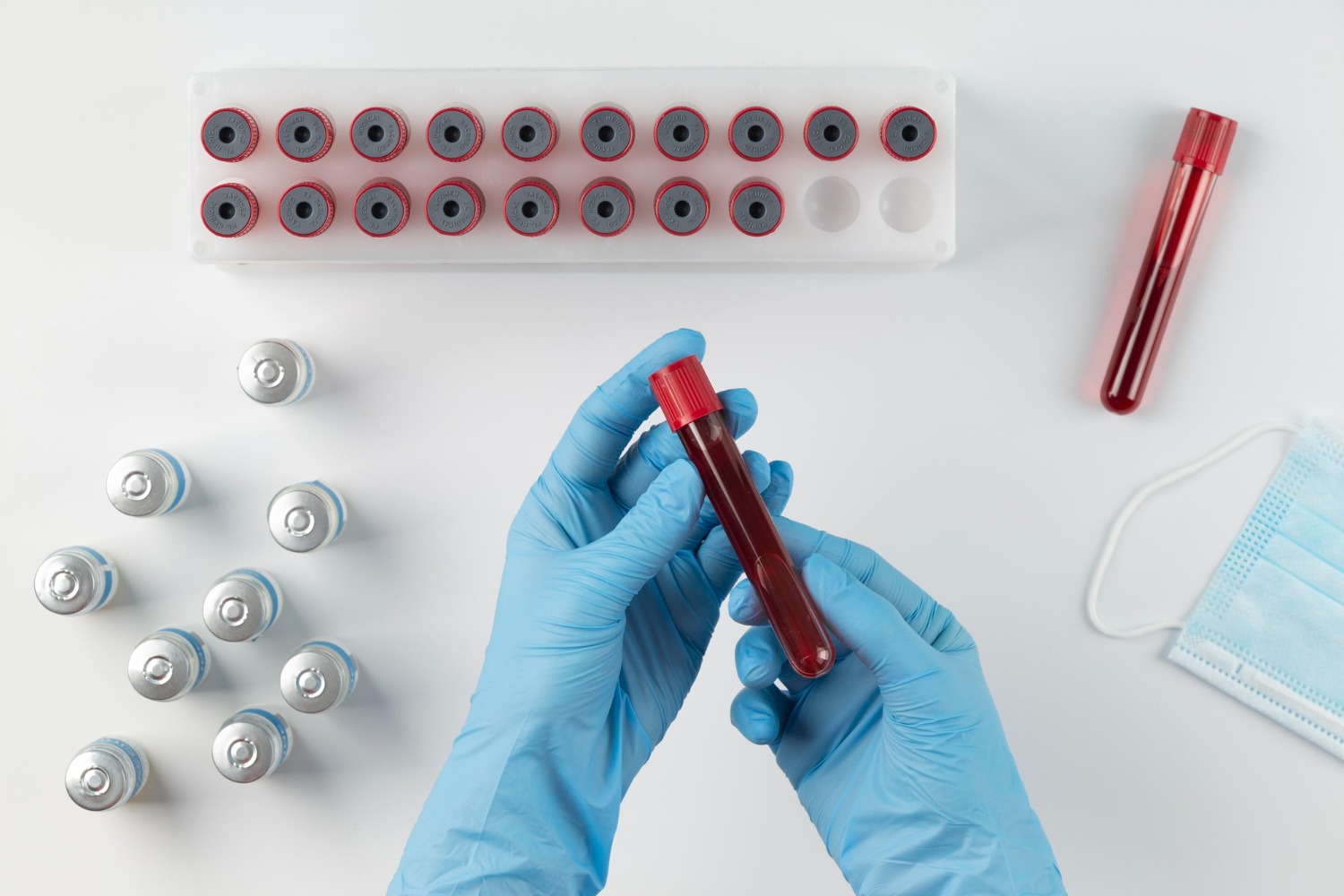
In the moments after birth, when a new life begins, the umbilical cord is often cut and discarded without a second thought. But within that cord lies something extraordinary, blood rich in powerful stem cells capable of transforming into various types of blood and immune cells. Today, more families than ever are choosing to store this cord blood, recognising its potential to treat serious illnesses and play a vital role in future medical advances. Here’s what families need to know about cord blood banking, stem cells, and the future possibilities they could unlock.
What Is Cord Blood Banking?
Cord blood banking is the process of collecting and preserving the blood from a newborn’s umbilical cord and placenta. This blood is a valuable source of haematopoietic stem cells, cells responsible for producing red blood cells, white blood cells, and platelets. These stem cells are already being used as approved therapies in the treatment of more than 80 conditions, including certain types of leukaemia, lymphoma, and immune system disorders.
The collection process is simple, painless, and completely safe for both mother and baby. It takes place shortly after birth, once the umbilical cord has been clamped, cut, and the placenta has been delivered. It does not interfere with labour or delivery, it simply becomes part of the birth plan with collection performed as discreetly as possible to allow the new family to bond in peace.
A Once-in-a-Lifetime Opportunity
Cord blood banking is unique in that it must be done at birth, there’s no second chance to preserve these particular stem cells later in life. For many parents, that one opportunity makes the decision feel weighty but worthwhile. Just as we might take out an insurance policy we hope never to need, banking cord blood is a way to invest in potential protection for our children and possibly other family members.
From Waste to Lifesaving Resource
Historically, umbilical cords and placentas were viewed as medical waste. It wasn’t until the late 20th century that researchers discovered just how rich in stem cells cord blood really is. The first successful cord blood transplant took place in 1988, when a young boy with Fanconi anaemia was successfully treated with his sibling’s cord blood. Since then, tens of thousands of cord blood transplants have been performed worldwide.
This breakthrough reshaped the way doctors and scientists think about birth tissues, not as something to discard, but as a biological asset with profound therapeutic potential.
Public vs Private Banking: What’s the Difference?
Parents who choose to bank their baby’s cord blood generally have two options: public or private banking.
Public banking involves donating your baby’s cord blood to a public registry, where it can be used by anyone in need of an approved therapy with a matching sample. It’s a generous act that contributes to the wider healthcare system but offers no guarantee that your own family will be able to access the sample in the future. The sample may be used in research or discarded, as there is no assurance it will be stored long-term. However, public cord blood donations help advance research that could unlock new treatments, cures, and therapies.
Private banking, on the other hand, means your child’s cord blood is reserved exclusively for your family’s use. This option comes with a cost but also offers peace of mind. If your child, a sibling, or another close relative develops a condition treatable with stem cells, you have ready access to a perfectly matched sample. Your family maintains control over the sample, which can be used for approved therapies, or to access clinical trials and experimental treatments, providing reassurance if conventional options have been exhausted.
Additionally, cord blood is easier to match than other sources of stem cells, such as peripheral blood or bone marrow. This means the more cord blood samples a family stores, the greater the likelihood of finding a suitable match within the family. This is especially important for families with a mixed or less common ethnic background, where finding a match on public registries can be more challenging, or where there is a known hereditary condition treatable with cord blood.
For the child who stored their cord blood, the stem cells are always a 100% perfect genetic match, making them an ideal option if autologous treatment is ever needed. Between siblings, there is up to a 25% chance of being a perfect match, and up to a 50% chance of being a partial match suitable for treatment with cord blood stem cells, resulting in an overall match likelihood of up to 75%.
Why Cord Blood?
Compared to other sources of stem cells, such as bone marrow or peripheral blood, cord blood has some distinct advantages:
Zero risk: Cord blood is collected from the umbilical cord after it has been clamped and cut, and after the placenta is delivered. There is no risk to mother or baby.
Easier collection: There is no need for surgery or anaesthesia. The process is painless and non-disruptive.
Fewer complications: Transplants using cord blood are linked to a lower risk of graft versus host disease, a potentially serious condition where donor cells attack the recipient’s body. In autologous stem cell transplants, where a person’s own stem cells are used, graft versus host disease is eliminated because the body recognises the stem cells as its own.
Ready availability: Banked cord blood is cryogenically frozen and ready for use whenever it is needed. There is no delay in finding a match or scheduling a donation.
Better condition: Cord blood stem cells are in pristine condition, stored at birth before they have been exposed to years of environmental influences and age-related degradation that affect other stem cell sources.
Emerging Treatments and Future Promise
While cord blood is already used in established medical treatments, its potential goes far beyond. Researchers are actively exploring how these stem cells might one day help treat a wider range of conditions, from neurological disorders such as cerebral palsy and autism, to heart disease, type 1 diabetes, and even spinal cord injuries.
In regenerative medicine, the hope is that stem cells can be used to repair damaged tissue or restore function to organs affected by disease or injury. Researchers also aim to one day grow organs for transplant using a patient’s own stem cells, potentially reducing the need for organ donors. While this may sound like science fiction, scientists have already transplanted heart valves grown from patient stem cells. This approach not only eases the demand on organ registries but also means the organs are recognised by the body’s own immune system, eliminating the need for anti-rejection medicines. Clinical trials exploring many aspects of regenerative medicine are already underway, and results so far are encouraging.
As science progresses, families who have chosen to bank their child’s cord blood may find they have secured access to treatment options that were not available at birth, giving their child potential access to emerging therapies for decades to come.
Affordability and Accessibility
Thanks to advances in technology and increased public awareness, private cord blood banking has become more affordable than it once was. Many companies now offer flexible payment plans and storage options that can make banking a realistic choice for a wide range of families.
Cells4Life, the UK’s largest cord blood bank, offers multiple storage options, including the ability to store the umbilical cord, amnion, and placenta, preserving even more potential than cord blood stem cells alone.
Things to Consider
Cord blood banking isn’t a decision to rush. If you’re expecting, it’s wise to begin researching your options early in the pregnancy. Factors to consider include:
Ownership and access – Will your baby’s sample be stored exclusively for your family, or donated to a public bank for potential use by others?
Family medical history – Is there a history of conditions in your family that are treatable with stem cells, where having a matched sample could be beneficial?
Access and release policy – How easily can your sample be retrieved if needed, and who is authorised to request its use?
Storage method – Does the bank offer advanced technology, such as the ability to store cord tissue, placenta, or amnion in addition to cord blood?
Storage location – Does the bank enhance sample security by storing it across multiple locations to protect against unforeseen risks?
Accreditation – Is the bank fully regulated and certified to meet high standards for collection, processing, and long-term storage?
Final Thoughts
Cord blood banking is a special opportunity to preserve something incredibly valuable, your baby’s own powerful stem cells, with the potential to help treat serious illnesses now and in the future. As science moves forward, the ways these stem cells can be used could grow beyond imagination.
When you decide to store your baby’s cord blood, it’s about more than just the moment, it’s an act of hope and safeguarding against the unknown for your family’s future. Whether you’re thinking about a health condition you already know about, or access to treatments that might be developed down the line, having secure sample storage means you can feel confident you’re ready if the unexpected ever happens.
Every parent deserves the chance to make an informed choice about their child’s cord blood. Missing out on this opportunity isn’t just a lost chance, it’s a decision made for you, without your knowledge. Since cord blood can only be collected at birth, it really is a one-time moment to preserve these remarkable cells, and that makes it all the more important to make an informed choice.

Hey welcome to my blog . I am a modern women who love to share any tips on lifestyle, health, travel. Hope you join me in this journey!


Speak Your Mind