As any seasoned parent can attest, steering kids in the direction of healthy eating can be an uphill battle. Since most children value taste over nutrition, it’s hardly surprising that they tend to flock to candy, chips, soda and other high-fat options. While there’s nothing wrong with occasional junk food indulgences especially when you’re young unhealthy foods shouldn’t be the only things your little ones develop a taste for. Although getting kids interested in healthy eating isn’t always easy, it’s by no means impossible. Parents looking for effective ways to encourage healthier eating habits in their children should consider the following pointers.
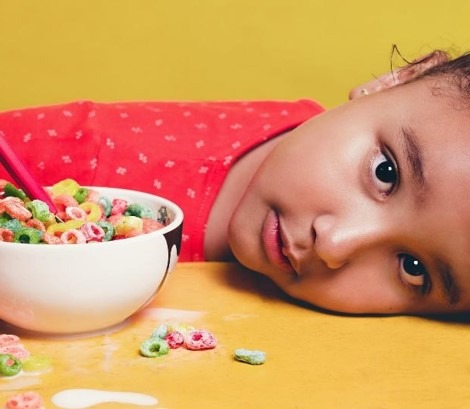
Introduce Them to New Varieties of Health Foods
Many children have very limited exposure to healthy foods. As such, your kids may not even be aware that healthy foods aren’t limited to standard fruits and veggies. In recent years, many food manufacturers have taken to creating health-conscious variations of traditional meals and snacks. Whether you’re trying to find healthy chips, cookies or other snacks, you should encounter very little difficulty in this endeavor. This isn’t to say that such snacks should fully take the place of fruits and vegetables, but they can serve as a fantastic gateway to healthier eating habits for both children and adults.
Include Them in the Meal Prep Process
Many children and adults, for that matter want to know exactly what’s in every meal someone places in front of them. Even though they won’t hesitate to wolf down heavily processed snacks and fast food, a plate of food from their parents must be placed under the heaviest possible scrutiny. The main reason behind this selectiveness is not wanting to consume foods that contain ingredients they find unfamiliar or disagreeable.
Parents can help ease children out of this habit by actively including them in the meal prep process. The benefits to this are two-fold. Not only will playing a role in meal prep take some of the mystery out of the process, it may also make them more amenable to sampling certain dishes. If someone simply places a plate of food in front of you, it’s easy to criticize. However, being an active participant in the preparation of that food may make you more likely to consume it without comment. As the adage goes, Nothing tastes better than a meal you cook yourself.
Don’t Meticulously Keep Track of How Much They Eat
Parents tend to keep track of how much their children are eating and insist that they consume a certain amount of food in a given day. To a point, this is understandable. After all, loss of appetite can signify a variety of health issues. At the same time, it’s important to remember that children’s eating habits fluctuate depending on a broad assortment of factors. For example, the more active a child is, the more food they’re liable to consume that day. On the flipside, the less active children are, the less hungry they’re likely to be. Keep this in mind the next time you and your child are arguing over how much they should be eating. Being forced to eat specific amounts of certain foods can have the effect of putting children off those foods for life.
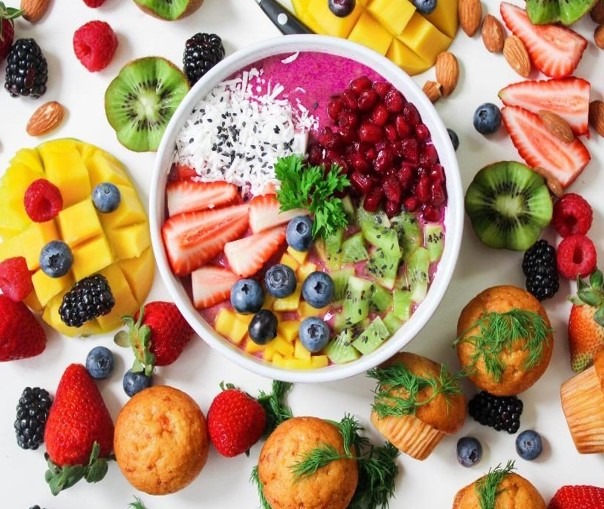
Provide Health-Conscious Alternatives
Parents of unrelentingly finicky eaters often prepare multiple meals each day: meals for the picky eaters and meals for everyone else. While this is an admirable act of parental dedication, it may ultimately discourage finicky kids from trying new things. Of course, if the alternative is your child going hungry, it may seem like you have no good options. Instead of going to the trouble of preparing multiple meals, simply provide picky eaters with low-effort health-conscious alternatives. For example, if your child is unhappy with the meal you’ve prepared, inform them that they’re welcome to have some healthy cereal, crudit or plain yogurt in its place.
Food-based battles with young children can be downright torturous. If a child is determined not to eat something, encouraging them to reconsider is no mean feat. However, it should be noted that everyone has personal food preferences, and some foods simply aren’t for some people. Even most adults have one or two things they won’t eat under any circumstances. That being said, kids tend to write off certain foods or entire food groups without giving them a fair shake. If healthier eating habits in your kids is what you strive towards, the measures discussed above may come in handy.

I’m a 20-something stay-at-home mother and wife. I have an amazing husband, a beautiful daughter, two loving dogs, and a lazy cat. I wouldn’t change my life for anything! I love to read, listen to music, cook and blog!

Speak Your Mind