When printing double-sided documents, a common source of confusion is the choice between “Flip on Long Edge” and “Flip on Short Edge.” While both refer to duplex printing settings, selecting the wrong one can lead to pages being printed upside down or in the wrong order. Understanding these settings is crucial for producing professional-looking documents, whether you’re printing reports, booklets, presentations, or manuals. This article explains the difference between these two options and compares them based on key factors such as document orientation, flip direction, and reading style. With the right knowledge, you’ll avoid printing errors and save both time and resources.
What Is Duplex Printing?

Duplex printing refers to the process of printing on both sides of a sheet of paper. It is commonly used in offices, schools, and homes to save paper and create more compact documents. Modern printers offer automatic duplexing, where the machine prints on one side, flips the page internally, and prints on the other. However, duplex printing requires careful consideration of how pages are flipped—this is where the concepts of “flip on long edge” and “flip on short edge” come into play. Choosing the wrong flip option can result in disoriented text and an inconvenient reading experience.
What is Flip on Long Edge?
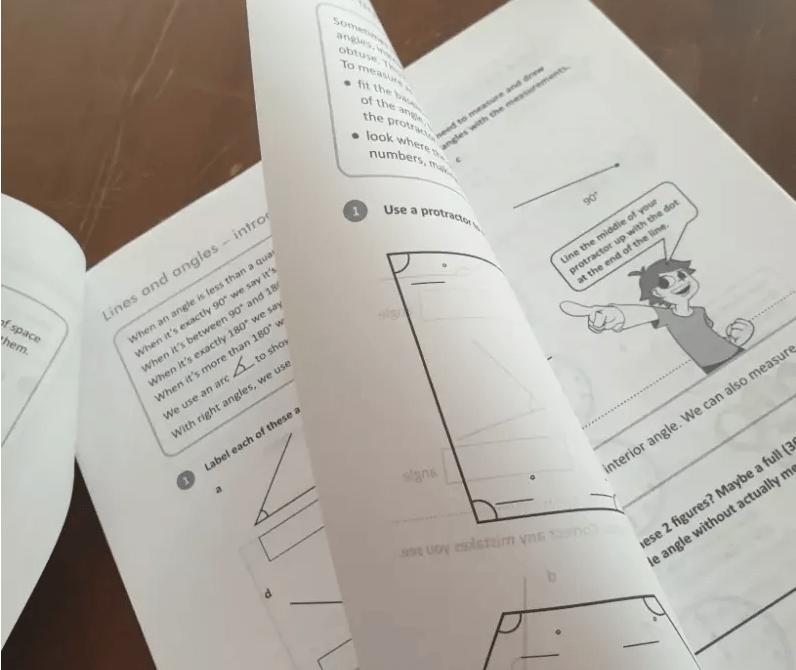
Flip on Long Edge means the pages are flipped along the longer edge of the paper. This is similar to turning the pages of a book or a magazine, where you flip from left to right or vice versa. This setting is ideal for documents that are oriented in portrait mode, which is the standard for most business reports, essays, and letters. When you use this option, the reverse side of each page aligns in a way that maintains the natural flow of reading without disorienting the reader. It’s the most commonly used flip setting for professional documents.
Metered Vs Stamped Mail: Which Is Better For Your Business?
What is Flip on Short Edge?
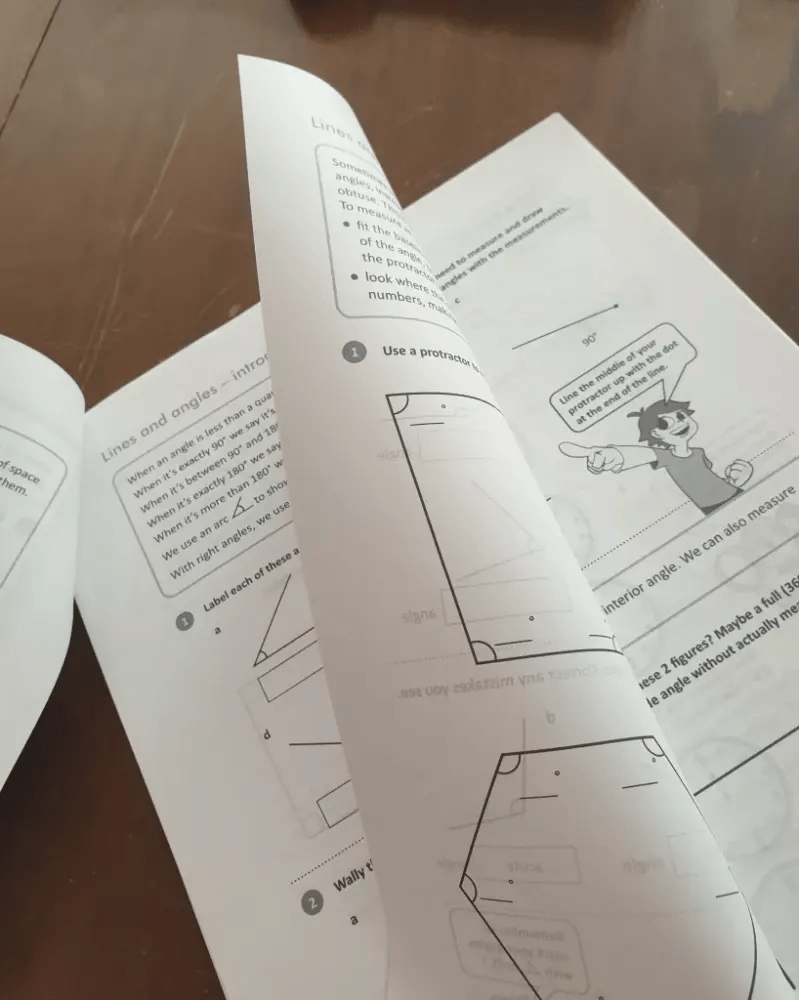
Flip on Short Edge means the pages are flipped along the shorter side of the paper—like flipping a notepad or calendar. This option works best for landscape-oriented documents. In this format, turning pages happens from top to bottom, allowing wide-format content to remain upright and easy to read. If you mistakenly use this setting on a portrait-oriented document, the back side of the page may appear upside down. Flip on Short Edge is especially useful for presentations, spreadsheets, and documents designed for horizontal viewing or folding layouts.
Gala vs. Fuji Apples: What is The Difference
Flip on Long Edge vs Flip on Short Edge: Key Factors to Compare
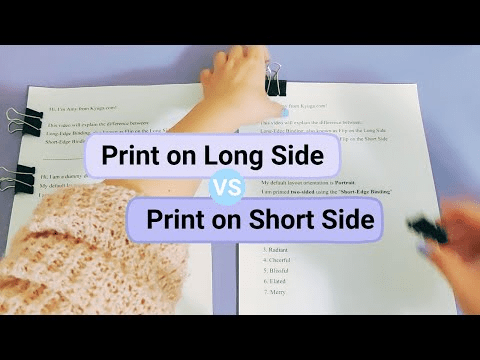
To make the right choice between these two settings, it’s essential to understand how they differ across several important factors. Each setting affects the way a document is printed and read, so even small mistakes can create confusion for the reader or waste materials.
Flip Direction
The most fundamental distinction is in the way the paper flips when printed double-sided. Flip on Long Edge turns pages along the longer vertical edge of the sheet, much like how pages in a book are flipped. This creates a side-to-side reading motion. On the other hand, Flip on Short Edge turns pages along the top, or shorter edge, of the paper. This mimics flipping through a calendar or notepad. Understanding the flip direction helps ensure the text and layout remain consistent and correctly aligned on both sides of the paper.
Document Orientation
The orientation of your document—portrait or landscape—should directly influence your flip setting. Portrait-oriented documents, such as essays, reports, and contracts, pair naturally with Flip on Long Edge, since readers expect to turn pages from left to right. In contrast, landscape-oriented documents, like spreadsheets, wide charts, and certain presentations, are best suited to Flip on Short Edge. Matching the flip setting to the orientation helps maintain a logical reading flow and avoids errors like upside-down or mirrored pages.
Reading Style
Another key factor is how the document will be read and handled. Flip on Long Edge provides a traditional reading experience, similar to a novel or textbook. It keeps the top of each page consistent from front to back. This makes it comfortable for readers to follow along in a continuous flow. In contrast, Flip on Short Edge supports a vertical page-flipping style, which is more suitable for visual materials or designs that span a wide format. This style is often used in booklets, presentations, and educational flipbooks where the content aligns best with an up-down page turn.
Common Use Cases
Each flip setting serves a unique set of printing needs. Flip on Long Edge is widely used in formal, text-heavy documents such as office memos, dissertations, business reports, instruction manuals, and legal documents. It’s the go-to choice for traditional publishing formats. Meanwhile, Flip on Short Edge is better for creative and design-based materials. It works well with landscape brochures, calendars, worksheets, infographics, and other visuals that need to be presented in a wide, horizontal format. Choosing the appropriate flip method ensures your document performs well in its intended setting.
Risk if Misused
Incorrectly setting the flip direction can lead to serious printing mistakes. For example, using Flip on Short Edge for a portrait document can cause the back side of the page to print upside down. This creates a jarring experience for the reader and may make the document unreadable. Conversely, using Flip on Long Edge for a landscape document may also misalign the content, leading to flipped or reversed pages. Such errors not only waste paper and ink but also present an unprofessional image—especially in business or academic environments.
Duplex Print Settings
Printer settings vary across different brands and software, so it’s essential to understand how these options are labeled. Most printers include duplex settings in their print dialog boxes. Flip on Long Edge is often labeled as “Long-Edge Binding” or “Booklet Style”, while Flip on Short Edge may be labeled “Short-Edge Binding” or “Tablet Style.” Being familiar with this terminology ensures you select the right option for your specific layout. Always take a moment to preview your print or use a test page if you’re unsure.
Mastering Print on Demand: Tips and Tricks for Shopify Sellers
Flip on Long Edge vs Flip on Short Edge: Which One Should You Choose?
The decision largely depends on your document’s layout and how it will be used. If your document is primarily text-based, formal, and in portrait orientation, go with Flip on Long Edge. It offers a natural reading flow and is widely accepted in professional settings.
If you are printing content that spans horizontally, such as a presentation slide or financial spreadsheet, choose Flip on Short Edge to maintain proper alignment and readability. When in doubt, print a test page to verify orientation before printing the entire document.
Father’s Day Crafts – Hand Print Canvas Gift for Dad
Conclusion
Understanding the difference between Flip on Long Edge and Flip on Short Edge is key to successful duplex printing. These settings may seem minor, but they significantly impact how your final document is viewed and used. By considering factors like document orientation, flip direction, and intended use, you can avoid costly printing mistakes and produce polished, professional-looking documents. Always preview before printing and choose the flip option that aligns with your content’s layout and reading style.

Hey welcome to my blog . I am a modern women who love to share any tips on lifestyle, health, travel. Hope you join me in this journey!

Speak Your Mind