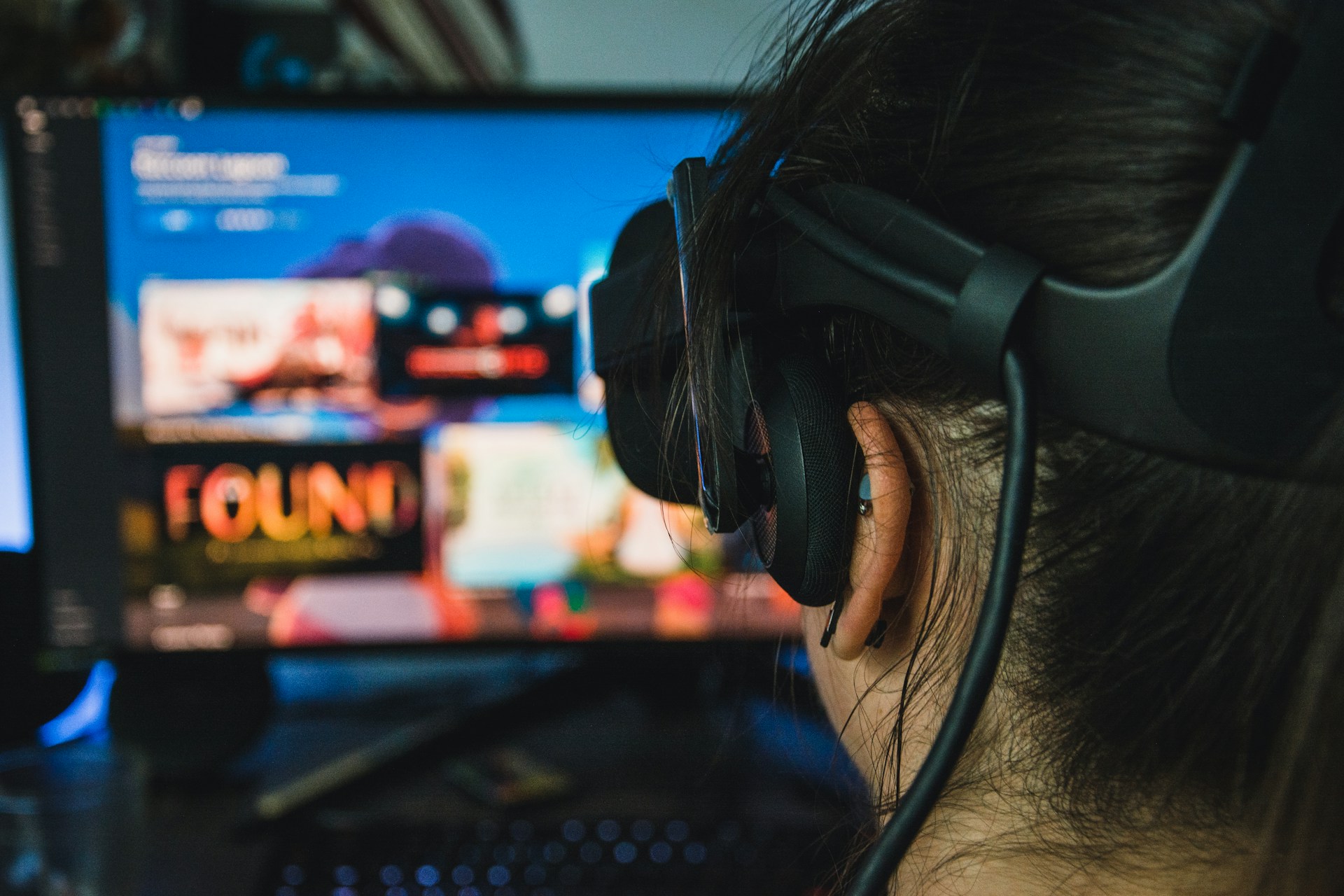
Game mechanics are a crucial element in any video game. From first-person shooters to RPGs and even puzzles and other casual games, game mechanics is one of the cores of what makes a video game fun and exciting. However, game mechanics directly affect how the game interacts with the players and their experiences in the game itself. If you’re one of the uninitiated, first things first, what are game mechanics?
What are Game Mechanics?
Game mechanics are your favorite games’ processes, rules, and elements. Essentially, they define how the game works, and most of the time, they are the difference between the success and failure of a game. Core design mechanics include rewards, objectives, level design, player interaction, resource management systems, etc.
If you combine all of these mechanics, they shape how the player experiences the game. This applies not only to traditional video games but also to digital platforms like online casinos. Whether spinning reels, triggering bonus rounds, or choosing when to play jackpot games online, these mechanics influence pacing, user interaction, and enjoyment.
A good set of mechanics will provide an engaging experience for the players. It ensures the difficulty level is fine, the resources system is easily manageable, etc., which means the game is fun. It’s a lot to handle, which is why many game companies have multiple departments for them. Not to mention that it’s usually often how video game companies differentiate their games from other titles, even championing them to stand out.
Action Mechanics
First up is action mechanics. They are a common feature in all video games and involve the player controlling their characters and interacting with objects. Examples of action mechanics are jumping, walking, running, dodging obstacles, picking stuff up, etc.
Strategy Mechanics
The next thing on the list is strategy mechanics. Strategy mechanics require a player’s critical thinking to progress in the game. This type of mechanics involves decision-making that pushes the player in a certain direction. Strategy mechanics include resource management, combat strategies, and puzzle-solving.
Exploration Mechanics
Next up is exploration mechanics. These are all about discovering new areas within the game and uncovering secrets that the player usually does not see directly or easily. This type of mechanics encourages the player to move from one spot to another, resulting in a discovery that will affect their experience.
Resource Management Mechanics
Resource management mechanics don’t just involve managing your inventory. It also includes health, money, or even niche ones like hunger and stamina. This encourages the players to not be rash and to be careful with their statuses in the game.
Role-Playing Mechanics
Lastly, role-playing mechanics allow players to customize their characters, allowing them to be more immersed in the game and play a specific trope. However, if the game already has a preset character for the player, role-playing mechanics involve the player playing that character, such as specific objectives and missions.
Benefits of Game Mechanics Design
Once you’ve understood what mechanics are and how crucial they are for a game, it is vital to understand how important they are exactly and why developers must always be innovative with them.
Flow
The core of game mechanics is designed to give the player experience a sense of flow and engagement. Game mechanics design compels players to do something, making them progress from one challenge to the next. This helps players be invested and immersed in the game, increasing player retention and engagement. One example of this is Portal 2. The more the player solves the puzzles, the more challenging ones and progress through the story.
Player Progression
One of the most important benefits of game mechanics is player progression. Incorporating game mechanics like rewards, special item access, or level unlocking, make players feel a sense of accomplishment and progress within the game. This motivates them to continue playing to unlock more items and story beats.
An example of this is Legend of Zelda: Breath of the Wild. Exploration is big in this game; players can unlock story beats and discover new material for recipes, weapons, and building. With all this, players can progress the story and eventually beat the game.
Player Agency
Another benefit that game mechanics offer is player agency. By creating a system that allows players to make meaningful choices and decisions within the game world, developers can create an engaging experience for their players. This sense of control gives the players a feeling of ownership, making them more likely to continue engaging with the game world.
An example of this is Minecraft. With countless recipes, challenges, materials, and biomes, players can do whatever they want in the game, like building huge bases, defeating mobs, etc.
Final Words
Game mechanics aren’t just technical frameworks; they are the heart and soul of every game. They shape how players interact with the world, overcome challenges, and have their fantasies within the game. As the gaming industry evolves, one thing will remain constant. It’s that game mechanics will continue to be crucial and will always be what makes every game interesting or boring. So the next time you play your favorite game, think about the game mechanics at work helping you enjoy your fullest within the game world.

Hey welcome to my blog . I am a modern women who love to share any tips on lifestyle, health, travel. Hope you join me in this journey!


Speak Your Mind