We know the process of filing an insurance claim for car accidents seems like an uphill battle.
In addition to that, the lengthy process and technical jargon only serve to intimidate most people.
Today, we’re going to explain everything there is about claiming insurance for car accidents.
We’re going to do it in a simple way that is understandable for most people.
Also, we’ll be mentioning some expert tips that will help simplify and shorten the entire process.
Before we get started on the insurance claim process for car accidents, here are some questions to ask yourself:
- Do I understand car insurance in Canada?
- What is the extent of my car insurance cover?
Continue reading as we help you find the answers to these questions.
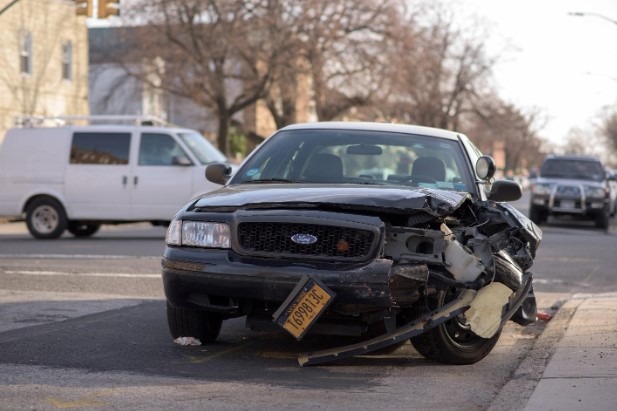
Tip 1#: Know the extent of your insurance cover?What it covers and what it doesn’t.
The insurance law in Canada
The law in Canada clearly states that all automobile owners need to have an insurance policy. It’s a compulsory law required of everyone.
What if you decide to operate your vehicle without insurance?
Well, you’ll only attract hefty fines and possible confiscation of your vehicle.
What are the possible car insurance covers?
In Canada, each province has its own way of doing its things.
Nevertheless, these common grounds should give you an overview of the available car insurance covers and how they work.
Speaking of car insurance, Surex is a one-stop solution that will help you pinpoint the best insurers in Canada.
Below are some components that are synonymous with all car insurance covers in Canada.
The Third-Party Liability (TPL)
Let’s say you, unfortunately, got involved in a car accident involving a third-partyOne in which you’re the at-fault driver. The result of the accident might have been injury, death, or damage of property belonging to the other “innocent” driver.
TPL states that your insurer should help you compensate the victim and pay for lawsuits up to the amount your insurance cover is worth.
What if you’re not at fault? What happens then?
Some provinces like Quebec, Nova Scotia, Ontario, Prince Edward Island, and New Brunswick have a section in the TPL called Direct Compensation (also known as DCPD).
DCPD states that if you were to get involved in a car accident where you are the innocent party, your insurer will cater to your damages without expecting or relying on compensation from the other responsible party.
Accidents Benefits
This component is at work in all provinces except Newfoundland and Labrador
In this case, it doesn’t matter who is at fault.
If you got involved in a car accident, your insurer is responsible for catering to your medical bills, income replacement, and even funeral costs.
Uninsured Automobile
What if you’re the victim of an accident caused by an uninsured driver? A hit-and-run case?
This type policy ensures you’re compensated for any damage you might have incurred from the accident. It’s a compulsory insurance component across all of Canada.
The Insurance Claim Process for Car Accidents
By now, you should know more about your car insurance policy. Feel free to visit your insurer’s offices if you feel you need further clarification.
Next, we’ll guide you on what to do after a car accident.
Immediately after the car accident, don’t leave the scene.
However, if your vehicle can still move, you’re advised to drive it to the side of the road to avoid causing more accidents.
After you’ve ensured your safety, it’s now time you considered whether or not you want to file for an insurance claim.
Tip 2#: Figure out if you really want to file for an insurance claim
Filing for an accident insurance claim isn’t always a great idea.
If you’re not careful, you might end up doing yourself more harm than good.
Below are the factors to consider to help you decide to file for a car accident insurance claim:
- Will the claim lead to an increase in future premiums?
- Are there discounts available for you? Did you know that some insurance companies offer discounts if you don’t file for claims under your policy?
- Is the amount small enough for you to pay without involving your insurance policy? This might save you a lot of time and money in the long run.
Tip 3#: Report immediately
Make sure you report to your insurer’s offices as soon as possible. Check with your insurer on the time you’re required to file your claim.
Below are the key details you need to have before you call your insurance company:
- The model, year, and registration number of the vehicles involved.
- Your insurance policy number.
- Details of the accident like time, location, the names of police officers who came at the scene, and extent of any injuries.
Tip 4#: Don’t assume who is at fault
Unless it’s clearly evident who caused the accident, don’t jump to conclusions.
Did you know that both parties can share fault?
The insurance companies will get to work to assess the nature of the accident to find out who is responsible.
The other thing to also note is that even though the police might find one of the parties to be guilty of committing an offense, it doesn’t mean that person is faulty “insurance-wise.”
Also, did you know that if you lend your vehicle to someone, you’re also lending out your insurance? Anything that happens to that vehicle will translate into your insurance records.
What to do after a car accident that is not your fault
Whatever happens next is decided by the terms included in your car insurance cover.
For example, since you’re not at fault, you’ll be viable for Direct CompensationYou’ll be compensated regardless of whether or not you applied for collision coverage.
If the other party wasn’t insured, then you’ll be eligible for the Uninsured Automobile cover. However, the person needs to be identified for this policy to take effect.
Tip 5#: Never do repairs without clearance from your insurance company
This is the most common mistake out there.
Sure, your insurer might have listed some supported repair shops in the case of an accident.
Nevertheless, don’t go there unless your insurer has reviewed your claim and given you the green light for the repairs.

I’m a 20-something stay-at-home mother and wife. I have an amazing husband, a beautiful daughter, two loving dogs, and a lazy cat. I wouldn’t change my life for anything! I love to read, listen to music, cook and blog!


Speak Your Mind