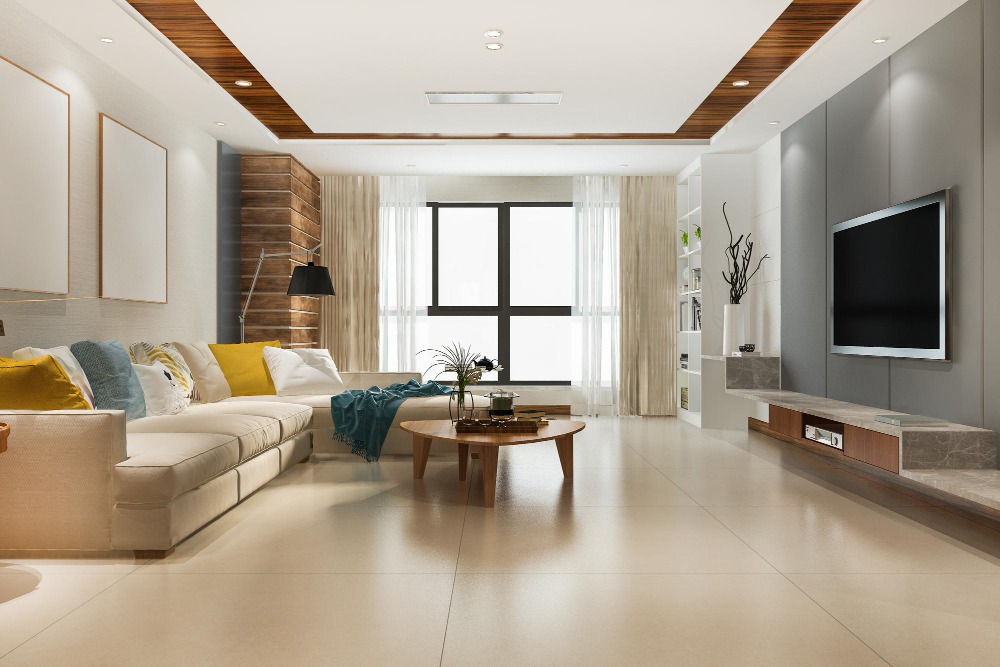
Designing a living room that suits both adults and children can feel like a balancing act. You want a space that feels calm, stylish, and comfortable, but it also needs to handle everyday family life, from playtime and movie nights to spills, snacks, and storage. The good news is that a shared living room does not have to look overly practical or chaotic. With the right choices, it can feel grown-up and family-friendly at the same time.
Choose Durable Furniture That Still Looks Good
The furniture you choose will have a big impact on how well the room works day to day. Sofas and chairs should be comfortable enough for family lounging but sturdy enough to cope with regular use. Performance fabrics, leather, and tightly woven materials can be smart options because they are easier to wipe clean and often hold up better over time.
It is also worth thinking about shape. Rounded edges on coffee tables, soft ottomans, and padded footstools can make the room safer for younger children while still looking polished. An ottoman with hidden storage can double as a toy box, which is always a win.
Create Zones For Different Activities
A family living room often needs to do several jobs at once. It may be a place to relax, play, read, watch TV, and entertain guests. Creating small zones can help the room feel more organized.
For example, you might keep one corner for books, puzzles, or quiet play, while the main seating area remains focused on conversation and relaxation. A soft rug can help define these areas visually. Classic options such as reproduction rugs can add warmth, pattern, and character while making the space feel more pulled together.
Make Storage Part Of The Design
Storage is essential in a living room used by children, but it does not have to be obvious. Baskets, built-in shelves, storage benches, and closed cabinets can all help keep clutter under control. The key is to make everything easy to access and easy to put away.
Low baskets are helpful for toys that children use often, while higher shelves can be used for decorative items, books, candles, and anything you want to keep out of reach. Mixing open and closed storage keeps the room practical without making it feel like a playroom.
Use A Flexible Color Palette
A neutral base can make a living room feel calm and timeless, but that does not mean the space has to be plain. Add color through cushions, artwork, throws, and accessories. These pieces are easy to change as your family’s tastes and needs evolve.
Patterns are especially useful in family spaces because they can help disguise everyday marks and wear. Stripes, florals, traditional motifs, and textured fabrics can all add interest while keeping the room feeling inviting.
Keep Comfort At The Center
Above all, a family living room should feel welcoming. Choose soft lighting, cozy textiles, and enough seating for everyone to enjoy the space together. Floor cushions, poufs, and blankets can make the room feel relaxed without sacrificing style.
Creating a living room for adults and children is about finding the right balance. When you combine durable materials, smart storage, flexible design, and a few stylish details, you can create a space that supports real family life while still feeling beautiful and grown-up.

Hey welcome to my blog . I am a modern women who love to share any tips on lifestyle, health, travel. Hope you join me in this journey!


Speak Your Mind