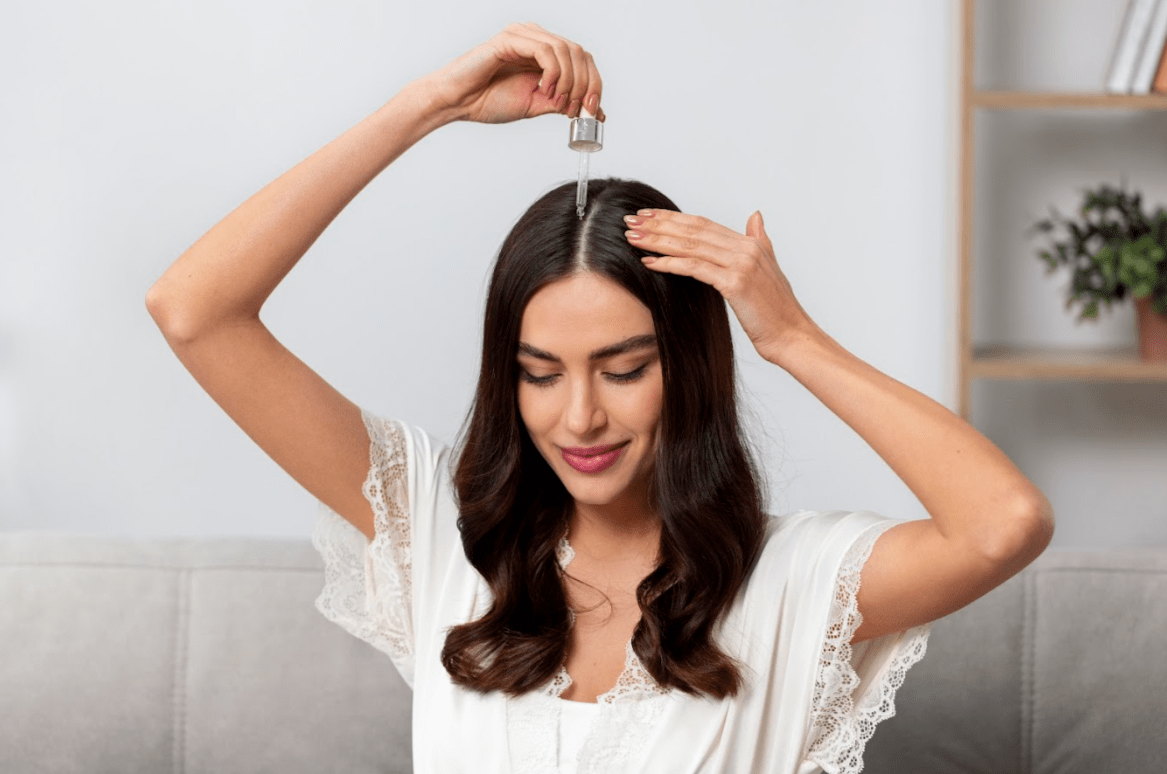
Minoxidil has helped a lot of people slow down hair loss and regrow thinning hair. But if you’ve started using it recently, or you’re thinking about it, you’ve probably heard about the side effects — scalp irritation, dryness, unexpected shedding, or even facial hair growth. These aren’t myths. They’re real, and they catch a lot of people off guard. The good news is that most of them are manageable if you know what you’re doing.
Why Minoxidil Causes Side Effects in the First Place
Minoxidil was originally developed as a blood pressure medication. When applied to the scalp, it works by widening blood vessels and increasing blood flow to hair follicles. This pushes follicles from a resting phase back into an active growth phase — which is exactly what you want. But this sudden shift in follicle activity, combined with the chemical nature of the formula itself, is also what causes most of the unwanted reactions.
The liquid form of minoxidil contains a solvent called propylene glycol, which helps the medication penetrate the scalp. For many people, it’s this ingredient — not the minoxidil itself — that causes itching, redness, and flaking. Understanding this distinction matters because it affects how you respond to the problem.
The Shedding Phase Is Not What You Think
One of the most alarming things new users experience is increased hair fall in the first few weeks. It’s frightening, and it causes a lot of people to stop using minoxidil before it ever gets a chance to work.
This shedding is actually a sign the treatment is doing something. Minoxidil pushes older, weaker hairs out of their resting phase so that newer, healthier strands can take their place. Think of it as clearing space. The shedding typically peaks around weeks two to six and settles down after that. If you stop the treatment at this stage, you lose the benefit entirely.
Knowing this in advance makes a significant difference. Most people who push through this phase start seeing positive results around the three to four month mark.
Practical Ways to Reduce Scalp Irritation
Scalp irritation is the most common complaint with minoxidil, but it’s also the most preventable. A few consistent habits can significantly reduce discomfort.
- Switch to the foam version if you’re using liquid. Foam-based minoxidil typically doesn’t contain propylene glycol, making it far gentler on sensitive skin.
- Apply it to a dry scalp only. Applying on damp skin increases absorption and raises the chance of irritation.
- Use the recommended amount — more doesn’t mean faster results. Excess product sits on the skin and causes buildup.
- Don’t apply immediately after washing your hair. Wait at least an hour so your scalp is fully dry and your skin barrier isn’t compromised.
- If itching persists, a gentle, fragrance-free scalp moisturizer used on alternate days can help without interfering with the treatment.
Managing Unwanted Hair Growth in Other Areas
Some people notice fine hair growing on the forehead or face. This happens when minoxidil accidentally transfers from the scalp to other areas — usually through pillowcases, hands, or indirect contact.
The fix is simpler than most people expect. Apply minoxidil at least two to four hours before sleeping, and let it dry completely before laying down. Wash your hands immediately after application. These two habits alone eliminate most accidental transfer.
Understanding the Bigger Picture of Hair Loss
Minoxidil is a maintenance tool, not a cure. It works while you use it. When you stop, the hair loss typically returns to where it would have been without treatment. This is why understanding the root cause of your hair loss matters just as much as managing a topical treatment.
Many people use minoxidil without knowing whether their hair loss is driven by hormones, nutritional deficiencies, stress, or scalp health. When you learn more about minoxidil side effects and what’s actually happening biologically, it becomes easier to make informed decisions. Some approaches, like Traya, combine minoxidil with internal treatments that address the underlying cause, which can lead to better long-term outcomes than minoxidil alone.
Final Thoughts
Minoxidil is a well-studied treatment that genuinely works for many people. But like any medical intervention, using it correctly makes a significant difference in both your results and your comfort. The side effects are real, but most of them are predictable and avoidable with the right approach. Give the treatment enough time, apply it consistently, and pay attention to what your scalp is telling you.

Hey welcome to my blog . I am a modern women who love to share any tips on lifestyle, health, travel. Hope you join me in this journey!


Speak Your Mind