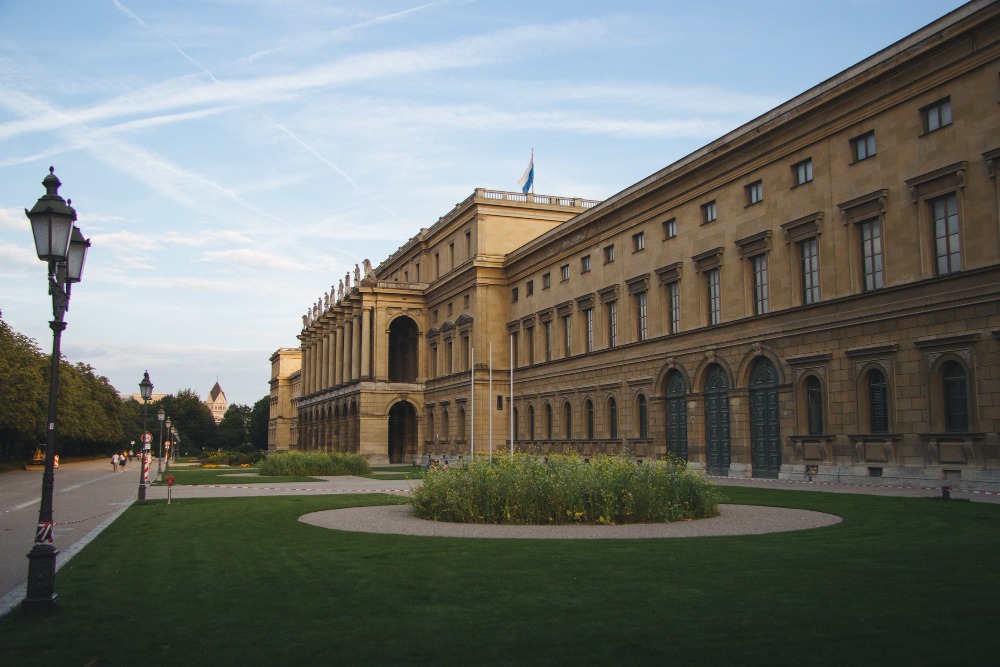
Large campuses can be tricky to move through. New visitors often end up circling the same buildings, unsure if they’ve already passed them. Some give up and start asking random passers-by for directions.
Color coding can help fix this problem. When done right, it guides people to the right path without the need to read every single sign. Designers just need to make it visible where it matters.
Start With a Clear Color Plan
Throwing random colors on signs won’t help. Each color has to mean something. A red route could lead to one set of buildings, while a blue route points to another. People will be quicker to understand it if fewer colors have been used.
Pick shades that look different but harmonize with each other. Avoid neon unless the campus style can carry it. Also, think about how the color looks under different conditions. Will it remain visible during the day or at night?
If you’re putting green signs in a zone surrounded by trees, they might vanish into the background during summer. That’s something to check before printing.
Make Colors Hard to Miss
A smart plan is useless if no one sees the colors. The chosen shade should show up on maps, signs, and even smaller details like arrows or wall stripes. Repetition helps people stay on track without overthinking.
Placement matters. A hallway sign behind a tall plant won’t do much. Outdoors, make sure direction signs are high enough to be spotted from a distance.
Sometimes it helps to extend the color beyond signs. Paint it onto pathways, use it in flooring patterns, or on door frames. The more it pops up, the easier it is to follow.
Keep the System Simple
If red means “science wing” on the map, it should mean the same thing on hallway markers and elevator labels. Changing the meaning halfway through the route will only confuse.
Don’t use colors that are too close in shade. Examples are teal and turquoise. In a hurry, even 20/20 wielders won’t be able to tell the difference.
Connect the Whole Experience
The color shouldn’t stop once someone enters the building. Hallways and even lobby walls can carry the same shade. That way, people know they’re still on the right track.
When it’s consistent, color can even become part of the campus style. Many campus wayfinding solutions start with color as the base, then add symbols and text later.
Quick Tips for Strong Color Coding
- Keep the main palette small and easy to remember.
- Use strong contrast so colors stand out in all lighting.
- Repeat the same color often enough to make it stick.
- Test with visitors who’ve never been on campus.
- Pair colors with symbols or numbers for backup.
Make It Accessible
Not everyone sees colors the same way. Those with color vision deficiencies may not catch certain hues. Adding a shape or icon to each color gives them another clue to follow.
Height also matters. Markers should be at eye level where possible, and repeated lower for wheelchair users. A color that’s only high on a wall can be missed.
Think About Maintenance
Outdoor colors fade faster in strong sun or harsh weather. Pick paints and materials that resist this. Smudges and scratches can dull even the brightest shade. Thus, cleaning should always be a part of the upkeep.
If a building changes purpose, the color plan must go with it. An outdated color can throw off regulars and new visitors alike.
Also Read: Best Personal Safety Devices For College Student
Test, Then Adjust
Walk the route yourself. Better yet, ask a new visitor to find a location using only the colors. See where they pause or double back.
Small fixes often help the most — moving a sign, adding a painted stripe on the floor, or repeating a color at a key corner. The aim is for someone to step onto campus and find their way without pulling out a phone.
A well-placed color system transforms multiple facilities into one connected space. People will spend less time feeling bad about themselves. As a result, it’d be easier for them to get where they need to be even without assistance.

Hey welcome to my blog . I am a modern women who love to share any tips on lifestyle, health, travel. Hope you join me in this journey!


Speak Your Mind