In the commodity fact-sheet relating plastic description, acrylic and Plexiglass are two terms that are used interchangeably way too often. Although Plexiglass is constructed from acrylic, there are slight variations, which might be significant based on the utilization. Although Plexiglas is a trademark or brand name, the way it is produced is also different from the regular acrylic.
Isn’t acrylic glass the same as Plexiglass?
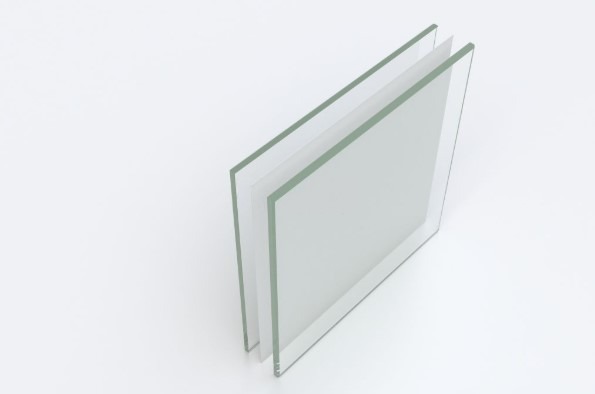
Acrylic glass is a clear homopolymer thermoplastic form a type of plastic referred to scientifically as Polymethyl Methacrylate (PMMA). While commonly used as a substitute to the regular glass in sheet form (because of the properties like scratch-resistance and anti-breakage), it is also widely used in several other applications, including casting adhesives, toners and lacquers, medical equipment and more.
Although a conventional glass is quite inexpensive to procure and even easier to recycle than acrylic, the latter is more sturdy, highly resilient to weather and corrosion, which makes it a clear-cut favourite with the consumers. Consequently, acrylic is used in many implementations where, otherwise, you would assume the glass to lead the way.
For instance, Contact lenses used in eyeglass frames are typically made from acrylic. It is so because, in addition to being minimally reflective, acrylic is way more scratch-resistant and shatter-resistant as compared to glass, and can minimize the intensity of glare too.
On the contrary, Polycorbonate is a type of transparent acrylic panel only. However, it is regularly used as a general term to describe a few different product types developed under various names, including Plexiglass (which is the original copyrighted brand). By the early 1900s, when acrylic was invented, few of the articles manufactured with it were documented under the term Plexiglas. A variety of companies currently make acrylic plexiglass products marketed under labels including Crylux, Perspex cut to size, Acrylite, etc., to name a few.
Myth vs the fact

Plexiglas is the genuine trademark or brand name for an acrylic glass of a specific type. Plexiglas is a super clear cast acrylic sheet, so it has fewer contaminants (small swirls or dispersed flecks) in comparison to the other types of transparent plastic sheets. The production expense of cast acrylic is high, which is embodied in its better quality. For this particular form of acrylic, the label Plexiglass is used extensively.
The technique of casting cells requires pouring unreacted acrylic in-between two glass plates, thereby forming a cavity or cell. Once the process completes and the acrylic cures, the glass part is removed, and the acrylic layer is thoroughly examined for flaws.
Since this procedure is time-consuming and labour-intensive, acrylic cell casting happens to be more costly, but the resulting product is of better quality and long-lasting. Plexiglass products are made only with the cell casting process. And, if you spend more for a Plexiglas label, you don’t just pay for the trademark, but you spend on a more extensive production cycle and, generally, a commodity that is more suited to your requirements.
Fabrication difference

The main structural distinction between thermoplastic acrylic and Plexiglass is the enhanced stiffness of the latter on the substrate. Regular extruded acrylic is smoother, rendering it suitable for fastening different media together. However, when digging or slicing, the softer material begins to break or crack. Since Plexiglass has a sturdier structure, fracturing is less of an issue. The coating is more chemically resilient, making it even easier to use strong compounds such as solvent cement for sticking it together.
The reality of brand name creating the misconception

The most baffling thing surrounding acrylic glass and Plexiglas is the variety of names and terminology used in the plastic sector.
Acrylic is a word used for the parent that denotes the polymer type used in the development of Plexiglas. On the flip side, Plexiglas is a trademark or brand name also commonly referred to as Plexiglass frequently. Plexiglass (as is Crylux and Arcylite) is a popular term used mostly for acrylic cell casting. When you happen to visit a hardware shop in your vicinity and ask for acrylic, you are likely to get whatever the store stocks. Even explicitly using the term “Plexiglass” does not ensure that you’ll get the right product. This material is best referred to as acrylic-cast polymer. Using the right words and understanding the nuances between the two will ensure you are going to get the exact product that you set out to buy.
The market trend still prevails

Although coming from the same family of polymers, there is a noticeable difference between the acrylic glass and Plexiglas. The latter commands better visual appearance and strength. However, it can still be a challenge to procure the exact product since the terms acrylic transparent sheet, and Plexiglass are used interchangeably way too often.
In order to lessen the confusion and procure the right product, especially when you are looking for Plexiglas, specifically ask the vendor to provide acrylic-cast polymer, which has been manufactured through the casting cells technique.

I’m a 20-something stay-at-home mother and wife. I have an amazing husband, a beautiful daughter, two loving dogs, and a lazy cat. I wouldn’t change my life for anything! I love to read, listen to music, cook and blog!


Speak Your Mind