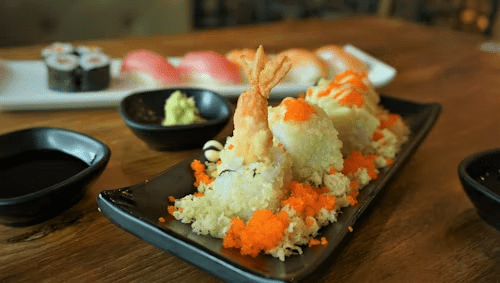
What Is Lobster Roll Sushi?
Lobster roll sushi is one version of a sushi roll that consists of lobster meat normally employed in—tempura-fried, steamed, or barbecued—replaced by fragrant sushi rice and seaweed (nori), topped with oily sauce or spicy mayonnaise and finished with tobiko (fish roe), scallions, or avocado.
It also differs from the traditional New England lobster roll eaten in split-top bun in that it utilizes Japanese sushi food materials and aesthetics. It marries the richness of flesh of the lobster with food material texture and flavor to create sushi.
Rich and indulgent, it is bound to be a costly sushi dish because of the cost and opulence of lobster.
Origins and Popularity of Lobster Roll Sushi
Although traditionally Japanese, lobster roll sushi is the flavor of the time and it is popping up primarily at North American fusion and sushi spots as a way of creating delicious shareable Instagram bites.
It’s so popular for some pretty good reasons:
- Luxury appeal: The luxury item here is lobster.
- Fusion food trend: Western and Japanese foods have been more melding, particularly in American and Canadian cities.
- Aesthetics: The beautiful color of the lobster among the rest of the sushi ingredients is a sensual foreplay.
- Personalization: Sushi chefs can most likely have a personal signature with additional other style, toppings, or dressings.
L.A., New York, and Toronto cities all feature the lobster roll sushi as an entry-level menu of upscale sushi restaurants, some of them featuring torched miso butter or tempura lobster tail on top.
Common Ingredients Used In Lobster Sushi Roll
Some ingredients a consumer may add to a traditional lobster roll sushi are:
- Lobster meat:
Typically claw or knuckle or just tail. Steamed, boiled in hot water, or pan-fried.
- Sushi rice (shari):
Sugars, salt, and rice vinegar.
- “Seaweed” colloquially known as nori:
To wrap the roll or occasionally use it to layer inside-out.
- Avocado or cucumber:
For cream and crunch.
- Spicy mayo or aioli:
For richness and textural contrast.
- Tobiko or masago:
Fish roe for crunch and saltiness.
List of ingredients for sushi rice.
- Scallions or chives: Color and flavor garnish.
- Soy sauce, eel sauce, or miso butter: Flavor drizzle heights.
- Tasty optional toppings are tempura flakes or torched cheese.
Lobster preparation for Sushi Rolls
There are several different ways lobster can be prepared before placing it into a sushi roll:
- Steamed Lobster: Light preparation which retains the natural sweetness of the flesh.
- Grilled or Torched Lobster: Smoky, caramelized flavor.
- Tempura Lobster: Light batter and introducing texture and richness.
- Cold Poached Lobster: Rolled neater into sushi rolls for sophistication.
Lobster meat is preferably cut or sliced by sushi chefs so that it will be evenly spread throughout the roll.
Popular Lobster Roll Sushi Variations
Restaurants have their own version of lobster roll sushi. Some trendy versions are as follows:
1. Spicy Lobster Roll
Topped with spicy mayonnaise spread which is mixed with minced lobster before topped in the traditional way using chili oil or jalapeños. Suitable for the spice lover.
2. Tempura Lobster Roll
With fried lobster for the crunchy touch, traditionally served with sweet soy drizzle and crunchy vegetables.
3. Butter Lobster Roll
With the inclusion of lobster meat into melted butter or miso-butter sauce and rice and truffle oil or gold dust finishing for richness.
4. Lobster California Roll
California roll substituted by lobster flavor, typically a combination of cucumber, avocado, and imitation crab, stuffed with lobster meat.
5. Lobster Volcano Roll
Lobster combination oven-baked with spicy peppers and served in the bottom of the roll, typically garnished using sauces and scallions to serve zing.
Nutritional Value of Lobster Roll Sushi
A bit pricey, but lobster roll sushi is a healthy meal if made properly:
- High Protein: Steamed lobster has sufficient amounts of lean protein that keep muscles in working order.
- Low Fat: Steamed lobster is free from saturated fats anyway.
- Vitamins and Minerals: Packed with vitamin B12, zinc, selenium, and copper.
- Omega-3 Fatty Acids: In fish, good for the heart.
But since some varieties contain some calorie-high sauces and fried foods, it is prudent to eat sparingly on a diet.
How to Make Lobster Roll Sushi at Home
It can be made at home as a spine-tingling and delectable dinner. It is easy to replicate:
Ingredients:
- Shredded cooked lobster (1/2 cup)
- Seasoned cooked sushi rice (1 cup)
- Two whole Nori sheets
- Avocado (sliced)
- Cucumber (julienned)
- Spicy mayonnaise (2 tbsp – mix mayonnaise and sriracha)
- Soy sauce or eel sauce (optional)
Instructions:
- Prepare the Rice: Season warm rice with rice vinegar, sugar, and salt. Chill.
- Lay Nori: Lay nori shiny side down on a bamboo mat.
- Add Rice: Lay rice down lightly on nori but not hard.
- Add Fillings: Place lobster, avocado, and cucumber in the center.
- Roll: Roll up tightly with mat. Seal edge by putting water droplets on it.
- Slice and Garnish: Cut into 6–8 pieces. Place spicy mayo on top and serve.
Pro Tip: When rolling inside-out, flip the nori over during making the rice, and roll rice side out.
For a gourmet take, give your lobster roll sushi an added touch of luxury. Caramelize lobster meat with care while building it in the roll for a toasted, smoky flavor. Top the lobster with lemon zest or yuzu juice for a citrus kick. Add some crunch by adding tempura bits inside the roll before rolling. Roll up and slice the roll and cut into slices with a very wet very sharp knife so it cuts cleanly and clearly. Top off with a spoon of eel sauce or a dollop of wasabi mayonnaise to serve like at a fancy restaurant in your own kitchen.
FAQs about Lobster Roll Sushi
Q1. Is lobster roll sushi raw or cooked?
Lobster roll sushi typically uses cooked lobster—steamed, broiled, or tempura-battered—and thus is ideal for those who do not like having to consume raw seafood.
Q2. Is lobster roll sushi healthy?
Yes, if made with steamed lobster and light dressings, it’s protein rich and low-fat. Fried or over-sauced lobster rolls, though, can be calorie rich.
Q3. Can lobster rolls be made at home?
Yes, in fact. Lobster rolls are a basic homemade recipe using fresh ingredients and a sushi mat in a few easy steps and creative fillings.
Conclusion
Sushi lobster rolls are a tasty blend of the sushi elegance and the lobster extravagance. Spicy mayo topped, torched with extra flavor, or with avocado and fresh fruits, it provides a luxurious taste to contemporary sushi. Ideal for seafood enthusiasts who love to have their rolls made for them, it’s a feast for the eyes and taste buds. From upscale sushi restaurant menu items to kitchen experimentation at home, lobster roll sushi is today’s date food. Due to strategy and eco-environmentally friendly sourcing, it’s not only being recognized as a trendy food item—it’s an art form dish that is rich in creativity and opulence with every bite. Take a bite and taste the difference.



Speak Your Mind