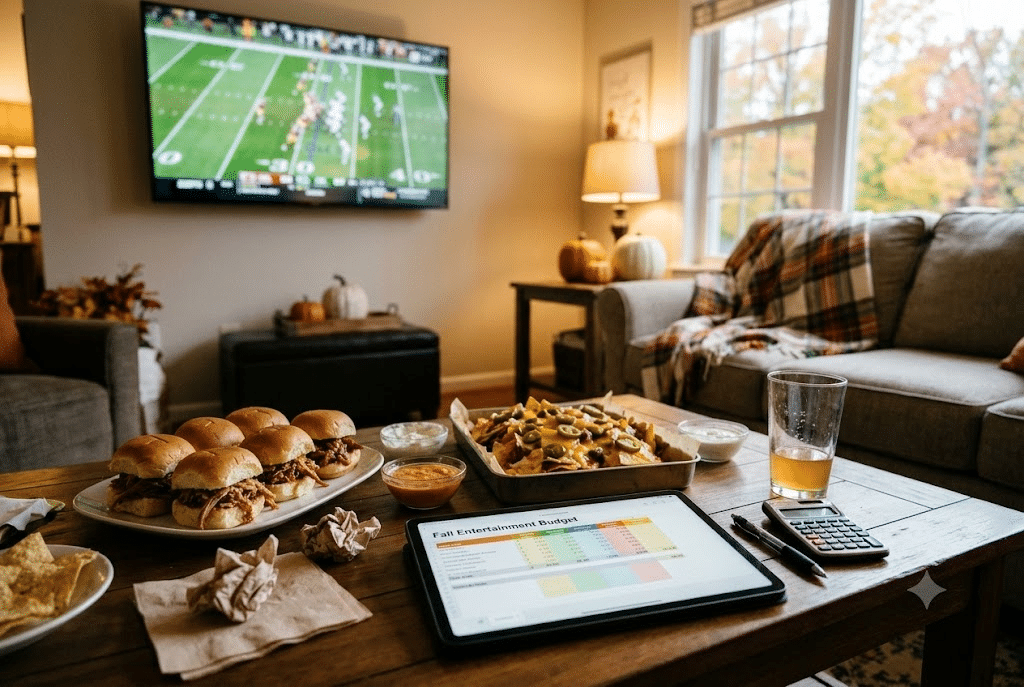
Fall brings back-to-school costs, weekend outings and football season, which for many households means a pile of streaming subscriptions. The good news is that entertainment spending is one of the easier parts of a budget to control. Here is how to keep it in check.
Why the costs add up
Sports are now spread across many services. Over the past few seasons, games once found on a single cable package have been split among broadcast networks and streaming platforms. Fans can find themselves paying for several services to follow one team. Price estimates vary by provider and plan, and prices change, so check current rates before you budget.
The pattern is common: a fan signs up for a service to catch one game, forgets to cancel, and keeps paying through the spring. A few forgotten subscriptions can quietly cost a household hundreds of dollars a year.
Where games air
Most NFL games still air on local broadcast television in the competing teams’ home markets. National primetime games, holiday games and out-of-market contests are where streaming services come in. In recent seasons, the league’s partners have included Amazon for Thursday night games, Netflix for select holiday games, Peacock for some NBC games, ESPN and ABC for Monday night, and YouTube for NFL Sunday Ticket. The exact lineup changes by season, so check the league’s schedule and your providers’ pages for this year’s details before you subscribe. Games on the Thanksgiving holiday and other special dates sometimes appear on different services than regular Sunday games.
Audit your subscriptions
A short audit can save real money:
- List everything you pay for. Check bank and card statements for the past 90 days, including small recurring charges.
- Cancel and re-subscribe as needed. Services typically allow you to cancel and return later. Many sports-only add-ons are only needed for part of the year, and the Super Bowl has typically aired on broadcast television, so streaming-only plans can often be paused after the regular season. Check this year’s broadcast details first.
- Look for bundles and perks. Some mobile carriers, internet providers, grocery memberships and credit cards include streaming services at no extra charge. Student, military and teacher discounts exist on some plans.
- Try an antenna. A digital HDTV antenna costs a one-time fee, often $30 to $60, and picks up local broadcast channels for free in many areas. Reception depends on where you live.
Set a fun budget
Financial planners often suggest keeping discretionary spending to a defined share of take-home pay, and many use guidelines of 5 to 10 percent for entertainment, though the right number depends on your income and obligations. A few habits help:
- Choose a monthly limit that leaves room for essentials.
- Automate a transfer into a separate “fun” account each payday, and when it’s empty, stop.
- Keep vacation or major-purchase savings in a separate account so game-day spending doesn’t eat into it.
Talk about game-day money
Football season can strain a household budget in smaller ways, including fantasy league fees and friendly wagers. If someone in your home enjoys these, talk about it before the season starts and agree on a monthly limit, as you would with any other personal spending. Free-to-play contests and office pools are budget-friendly ways to compete. Where sports betting is legal and adults choose to take part, keep it small and separate from household funds. Sportsbooks such as DraftKings list NFL matchups and odds and offer tools for setting deposit limits, which are worth using if you play. Never bet money you need for bills.
Cut the venue and grocery markups
Entertainment centers and stadiums earn much of their money on food and drink, and grocery stores charge a premium for ready-made party platters. A few swaps help:
- Plan meals around two-week cycles, which many households find reduces food waste.
- Make game-day food at home. A slow-cooked pork shoulder, a big pan of nachos or chili feeds a crowd at a fraction of the price of takeout.
- Try local alternatives, such as Friday-night high school football, community fall festivals and picnics.
- Stream a rental movie instead of going to the theater.
The bottom line
Entertainment spending only feels out of control when no one is watching it. A quarterly audit, a clear limit and a plan for game day will keep the fun in the budget instead of letting the budget take the fun out.
Sports betting is for adults 21 and over where legal. If gambling is a problem for you or someone you know, call 1-800-GAMBLER.

Hey welcome to my blog . I am a modern women who love to share any tips on lifestyle, health, travel. Hope you join me in this journey!


Speak Your Mind