Pregnancy triggers numerous physiological changes, and one of the most observable effects often appears on the skin. Many women develop hyperpigmentation or dark patches, particularly on the face (melasma), abdomen (linea nigra), and other areas. While these pigment changes are entirely normal and usually harmless, they can be cosmetically impactful.
The good news is that in most cases, post-pregnancy hyperpigmentation gradually fades within several months after delivery. However, for women seeking faster results or dealing with persistent age spots or dark spots, dermatologists offer several effective treatment options ranging from topical solutions to professional procedures. Here are some of them.
Understanding Hyperpigmentation After Pregnancy
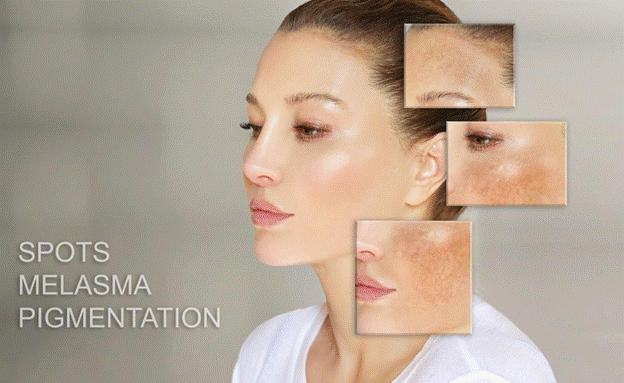
Elevated estrogen and progesterone levels in pregnancy commonly trigger melanin production overdrive, leading to visible darkening of certain skin areas. While treatments like Botox skin treatment primarily address wrinkles, they’re sometimes combined with pigment-correcting therapies for comprehensive postpartum skin rejuvenation. The most common forms include melasma (often called the ‘mask of pregnancy’), linea nigra (the dark line on the abdomen), and darkened areolas.
These pigment changes stem from elevated estrogen and progesterone levels that stimulate melanocytes, the cells responsible for skin coloration. Sun exposure dramatically worsens these dark spots, making UV protection crucial both during and after pregnancy. While most cases fade gradually postpartum, some women require professional treatments to restore their even skin tone fully.
Diagnosis: What to Expect
Your dermatologist will begin by thoroughly evaluating your skin concerns and medical background, including any history of hormonal treatments or previous pregnancies. They’ll examine the affected areas under proper lighting and may use a dermatoscope, a special magnifying tool, to assess the pigmentation depth and pattern. This initial assessment helps distinguish the various forms of hyperpigmentation from other skin conditions.
Depending on your specific case, the dermatologist might recommend additional diagnostic steps such as a Wood’s lamp examination, which uses ultraviolet light to reveal the extent of pigmentation beneath the skin’s surface. In rare instances where the diagnosis isn’t precise, a skin biopsy or blood tests might be recommended to rule out underlying medical conditions. This comprehensive diagnostic process ensures you receive personalized treatment recommendations tailored to your skin’s unique needs and recovery goals.
Dermatologist-Recommended Treatments
From clinically proven topical solutions to advanced in-office procedures, dermatologists offer a range of safe and effective treatments to address post-pregnancy hyperpigmentation:
1. Topical Treatments
Targeted topical treatments form the foundation of hyperpigmentation therapy, including:
- Glycolic acid and alpha-hydroxy acid (AHA) help exfoliate the skin, reducing sun damage and fading pink spots or brown patches.
- Counter-topical agents like skin bleach (hydroquinone) can lighten sun spots and other dark areas, but should be used under medical supervision.
- Folic acid and vitamin C serums may also help even out skin tone.
When incorporated into a consistent skincare regimen under dermatological supervision, these topical solutions can effectively fade discoloration while preventing new pigment formation, delivering visible improvements in skin clarity and tone.
2. In-Office Procedures
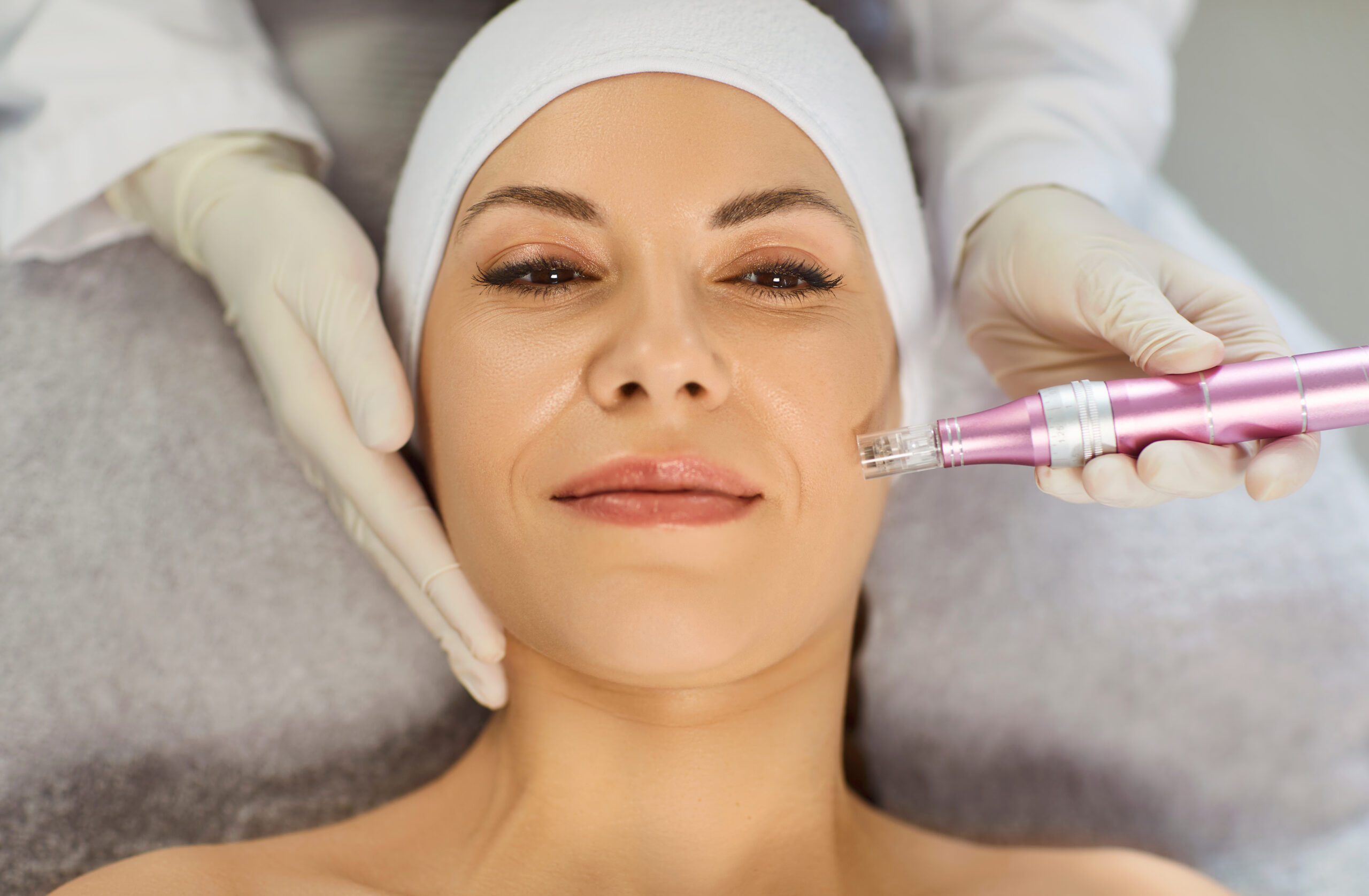
Laser treatment, including pigmented lesion laser and cryotherapy laser, uses beams of light to target extra melanin without harming surrounding tissue. Meanwhile, chemical peels with glycolic acid can promote skin resurfacing, improving texture and tone.
3. Sun Protection
Since ultraviolet rays exacerbate hyperpigmentation, dermatologists stress:
- Using sunscreens with physical mineral blockers such as zinc oxide or titanium dioxide. Sky and Sol is one option formulated with 25% non-nano zinc oxide, nourishing tallow, and no chemical UV filters.
- Avoid peak sun hours if you’re sensitive to light.
- Protecting your eyes, face, and neck with a wide-brimmed hat and UV-protective sunglasses for additional defense against harmful ultraviolet rays, especially during prolonged outdoor activities.
Consistent, daily sun protection is the cornerstone of both preventing further pigmentation and maintaining the results of any hyperpigmentation treatment.
4. Lifestyle Adjustments
If you come from a family with freckles or have a fair skin type, sun damage may be a common condition, so you have to be more vigilant. Also, avoid products that promise quick fixes, as some may irritate the skin.
By combining these professional treatments with proper sun protection and skincare habits, most women can significantly improve their skin’s tone and texture.
When to Seek Medical Care for Post-Pregnancy Hyperpigmentation
While most cases of post-pregnancy hyperpigmentation fade naturally, certain situations warrant medical treatment. Talk to your dermatologist if you experience any of the following:
- Persistent or worsening discoloration that doesn’t improve several months postpartum
- Rapid spread of dark patches to new areas of the face or body
- Asymmetrical or irregularly shaped spots that change in appearance over time
- Hyperpigmentation accompanied by other symptoms like itching, pain, or texture changes
- Discoloration that appears suddenly and continues to darken significantly
- No improvement despite consistent sun protection and topical treatments
Don’t hesitate to seek professional advice. Addressing hyperpigmentation properly can help prevent long-term skin concerns and boost your confidence during the postpartum period.
Conclusion
Post-pregnancy hyperpigmentation is treatable with the right approach. By combining topical therapy, professional procedures, and diligent sun protection, new mothers can restore a more even complexion. Always consult a dermatologist to tailor treatments to your skin type and medical history.

Hey welcome to my blog . I am a modern women who love to share any tips on lifestyle, health, travel. Hope you join me in this journey!


Speak Your Mind