Giving your home a fresh look does not always require a large renovation budget. Small, thoughtful changes can transform tired rooms and make your living space feel more comfortable and inviting. This approach works especially well for busy families who want noticeable improvements without weeks of disruption.
Instead of replacing everything, focus on the parts of your home that have the greatest visual impact. Updating soft furnishings, changing colours, rearranging furniture, and choosing a new upholstery fabric for an older chair or sofa can give a room a completely different character. These manageable projects also allow you to personalise your home while making better use of items you already own.
Give Old Furniture a Second Life
Furniture often starts looking dated long before it stops being useful. A solid chair, footstool, or sofa may still have years of life left even if its colour or covering no longer suits your interior.
Reupholstering can provide an effective alternative to replacing good-quality furniture. You can choose colours and patterns that work with your current decorating style while retaining a piece you already know fits the room.
Before starting a project, check the condition of the furniture frame and padding. If the structure remains strong, updating the covering may be worthwhile. Smaller projects, such as dining chairs and footstools, can also be approachable options for people interested in trying basic DIY upholstery.
Change Your Colour Scheme
Paint is one of the easiest ways to make a noticeable difference without changing the structure of a room. A new wall colour can make a space feel brighter, warmer, calmer, or more modern.
You do not necessarily need to repaint every wall. An accent wall can introduce colour without overwhelming the space. Alternatively, keep the walls neutral and bring stronger shades into the room through cushions, curtains, rugs, artwork, and accessories.
Try to build your colour scheme around two or three main shades. Repeating these colours throughout the room creates consistency and helps individual pieces feel connected rather than randomly placed.
Rearrange What You Already Have
Sometimes a room feels tired simply because its layout has remained unchanged for years. Rearranging furniture costs nothing and can completely alter how a space looks and functions.
Start by considering how people move through the room. Avoid blocking natural pathways with large pieces of furniture. In a living room, arrange seating so that people can comfortably talk to each other rather than automatically positioning everything around the television.
You can also move decorative items between rooms. A lamp from the bedroom, artwork from the hallway, or a side table from another space might feel completely different in a new location.
Update Your Soft Furnishings
Cushions, throws, curtains, and rugs are easy to change and have a significant effect on a room’s overall appearance. They are particularly useful if you want to experiment with new colours or patterns without making permanent changes.
Mixing textures can make a simple room feel more interesting. For example, combine smooth materials with woven fabrics or soft, textured cushions. However, avoid introducing too many competing patterns at once. A few carefully selected pieces usually create a more polished result.
Seasonal changes can also work well. Lighter fabrics and colours can make rooms feel fresh during spring and summer, while warmer textures can create a cosy atmosphere during autumn and winter.
Improve the Lighting
Lighting has a major influence on how a room feels. A single bright ceiling light may provide enough illumination, but it rarely creates a comfortable atmosphere by itself.
Try using several light sources at different heights. Table lamps can make seating areas more welcoming, while floor lamps are useful in darker corners. Task lighting is important in places where you read, cook, work, or complete hobbies.
Make the most of natural light too. Avoid placing bulky furniture directly in front of windows, and choose window coverings that provide privacy without unnecessarily darkening the room.
Refresh Smaller Details
You do not always need a major project to make your home feel different. Small details can have a surprisingly strong effect.
Changing cabinet handles can refresh a kitchen, bathroom, or piece of furniture at relatively little cost. Replacing tired lampshades, updating picture frames, or adding a large mirror can also change the character of a room.
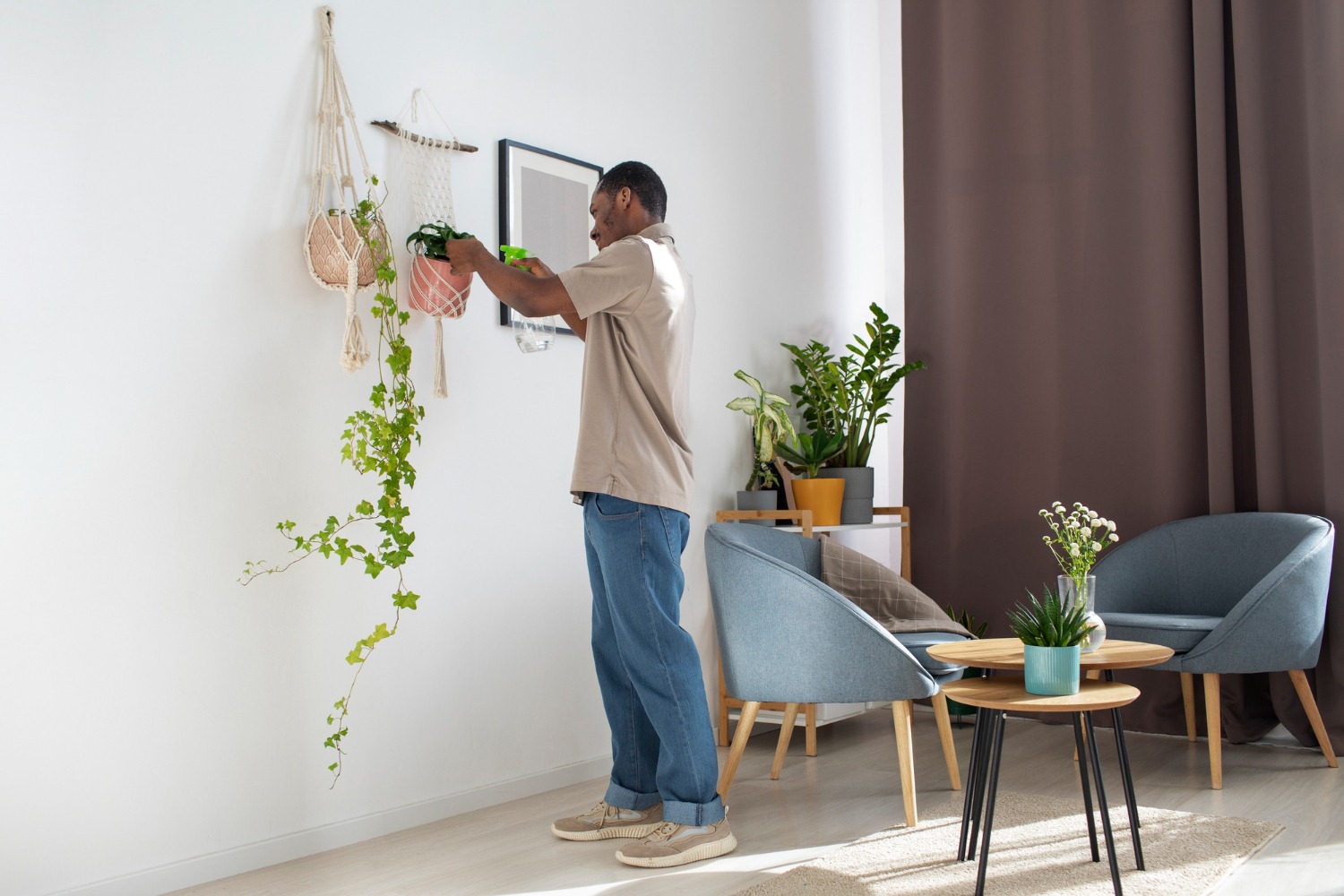
Plants are another simple addition. They introduce natural colour and can soften spaces dominated by hard surfaces. If you do not have much time for plant care, choose varieties with straightforward maintenance requirements or use convincing artificial alternatives.
Reduce Clutter Before Buying More
It can be tempting to start a room refresh by shopping for new decorations. However, removing unnecessary items often makes a bigger difference.
Work through the room and decide what you genuinely use or enjoy. Items that no longer serve a purpose can be donated, sold, recycled, or moved elsewhere. Once surfaces and storage areas are clearer, you will have a better idea of what the room actually needs.
Baskets, boxes, shelves, and furniture with built-in storage can help busy households keep everyday belongings organised without making rooms feel overly formal.
Focus on Changes That Suit Your Family
A successful home refresh should improve everyday life rather than simply follow the latest interior trend. Families with young children may prioritise durable materials and easy-to-clean surfaces, while households with pets might need fabrics and flooring that cope well with regular wear.
Think about how each room is actually used before spending money. A beautiful design that requires constant cleaning or prevents children from relaxing may quickly become frustrating.
You also do not need to complete every improvement at once. Start with the room or feature that bothers you most, set a realistic budget, and make gradual changes.
Refreshing your home can be simple, affordable, and enjoyable when you work with what you already have. Reusing furniture, adjusting layouts, introducing new colours, improving lighting, and updating soft furnishings can all make a significant difference.
The key is to choose improvements that combine style with practicality. By focusing on durable materials, useful changes, and details that reflect your family’s needs, you can create a home that feels refreshed without the cost or disruption of a full renovation.

Hey welcome to my blog . I am a modern women who love to share any tips on lifestyle, health, travel. Hope you join me in this journey!


Speak Your Mind