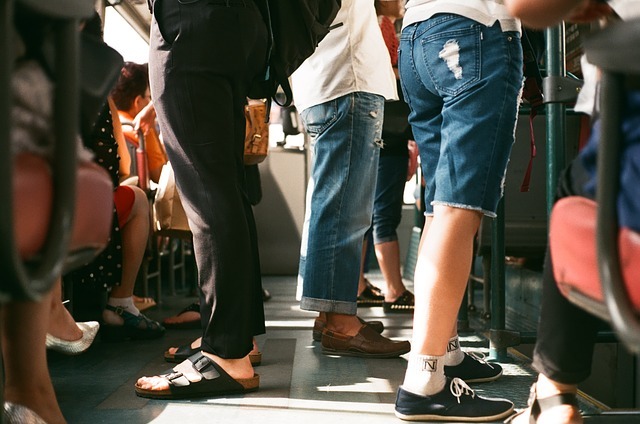
For busy moms, hearing how the sedentary lifestyle is killing you can be frustrating. Who has time to sit when you’re busy packing lunches, getting kids going in the morning, running from meeting to meeting, grabbing groceries, cooking dinner, and standing on the soccer sidelines after school?
While it’s true that prolonged sitting can contribute to an increased risk for lifestyle diseases like obesity and high blood pressure, it’s also important to note the negative health aspects of standing all day long. The human body was built to move, but in female-centric occupations like teaching, nursing and other healthcare jobs, bank tellers, food service, cleaning, and retail, simply being on your feet for hours and hours at a time can contribute to musculoskeletal issues like:
Foot and knee pain
Backaches
Varicose veins
- Leg cramps
If you have to stand for long shifts during the day, don’t miss these quick tips for preventing musculoskeletal disorders and long-term lower limb pain issues:
Use Orthotics
It goes without saying that proper-fitting and supportive footwear is a must for moms who spend most of their waking hours on their feet. Few feet are absolutely perfect, however, so it is important to address any anatomical issues you might have, shoes aside, that could negatively impact your body mechanics too. Why don’t you check out these best shoes for standing jobs. High arches, fallen arches, plantar fasciitis, bunions, overlapping toes, bone spurs . . . the list goes on of common foot ailments that can cause pain, inflammation, and mobility problems for long-time standers.
Orthotic aids like arch inserts, metatarsal pads, toe spreaders, and gel insoles support proper foot care and good body mechanics while you go about your daily life. Reinforcing the structure of the foot helps foster proper pronation (the natural inward rolling of the ankle when you walk) and a healthy gait. That means less stress on your feet and ankle joints and thankfully, less pain.
Practice Good Foot Care at Home
Give your body a circulation boost by elevating your feet and legs when you get home from work or before bed. Doing this simply allows gravity to assist your blood circulation which relieves foot swelling and can help combat varicose veins.
Develop a nightly foot care routine as well to help take care of those critical appendages that help keep you upright all day. This may include a soothing self-administered foot massage, soaking your feet in a warm Epsom salt bath, washing and thoroughly drying them, and even moisturizing them to help keep skin strong and supple.
Sit and Stretch
While prolonged bouts of standing may be required by your job or schedule during the day, taking small breaks to sit and stretch is a must for avoiding long-term musculoskeletal damage. You literally want to give your feet, legs, and back a rest so find opportune times to sit down and relax – this might be on your lunch break, during a meeting, or at your child’s baseball practice.
Similarly, stretching intermittently throughout the day can also help prevent joints from stiffening as well as aid blood circulation. Stretch your legs with simple yoga poses like Downward-facing Dog, Bridge Pose, and Easy Pose.
Wear Compression Sleeves
Did you know that you have tiny little ducts in your blood vessels that help facilitate the transport of blood and keep it from flowing backward? In your legs and feet especially, these ducts are critical since your body is literally working against gravity to circulate blood back to your heart.
Specialists at varicose veins clinic located in Dallas mentioned that when you find yourself standing for extended periods of time during the day, the challenge to your blood vessels is even higher and the risk of blood pooling in your veins and turning into dark, bulging varicose veins grows. Compression sleeves worn over your legs can help combat varicose veins and keep them from becoming symptomatic. By squeezing the tissues in your leg, compression sleeves require your body to utilize deeper blood vessels which increases circulation and helps prevent blood from pooling.
In addition to these helpful tips, keep smart reminders in mind like paying attention to your posture, avoiding staring down at digital devices during the day, and limiting your use of tight-fitting shoes like high heels which exacerbate leg, knee, and foot issues.

I’m a 20-something stay-at-home mother and wife. I have an amazing husband, a beautiful daughter, two loving dogs, and a lazy cat. I wouldn’t change my life for anything! I love to read, listen to music, cook and blog!


[…] or herself better when using shoes with heels. Shoes that have higher heels will create a more imbalanced posture and will add more stress to the feet. This makes it necessary to choose shoes that are flatter. The […]