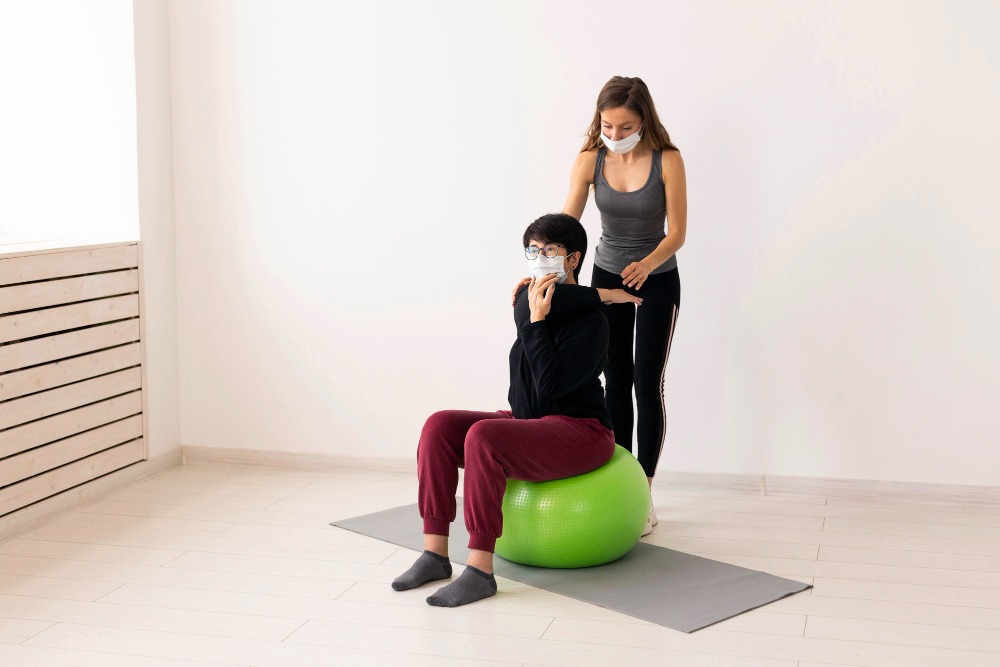
Accelerating the rehabilitation process is critical for patients striving to regain their independence and improve their quality of life. Through innovative methods and a patient-centered approach, Thera Physical & Occupational Therapy offers advanced techniques to shorten recovery times effectively. This article delves into five key methods that are employed to enhance mobility, improve daily living skills, and support holistic recovery. By leveraging evidence-based practices and integrating various therapeutic approaches, these techniques aim to achieve optimal outcomes for patients.
Techniques in Physical Therapy for Enhanced Mobility
One of the primary goals of physical therapy is to restore mobility and strength. Techniques such as proprioceptive neuromuscular facilitation (PNF) are employed to improve flexibility and coordination. PNF uses a combination of passive stretching and isometric contractions to enhance motor performance. Additionally, the use of advanced EMR Interoperability ensures that patient data is seamlessly shared among healthcare providers, facilitating coordinated care and tailored treatment plans.
Another effective method is aquatic therapy, which leverages the buoyancy of water to reduce stress on joints while promoting muscle strength and flexibility. This technique is particularly beneficial for patients with arthritis or those recovering from surgery. By integrating these approaches, therapists at Thera Physical & Occupational Therapy can develop personalized programs that address specific mobility challenges.
Furthermore, the use of technological advancements, such as gait analysis, allows therapists to assess and correct walking patterns. This data-driven approach not only accelerates rehabilitation but also improves long-term mobility outcomes.
Innovative Occupational Therapy Strategies for Daily Living
Occupational therapy focuses on enabling patients to perform daily activities independently. Techniques such as task-specific training are utilized to help patients relearn skills like dressing, cooking, and personal hygiene. In conjunction with this, therapists employ the ICD-10 Classification to accurately document patient progress and set measurable goals.
Moreover, the incorporation of Telehealth Compliance in therapy sessions allows patients to receive guidance and support remotely, ensuring continuity of care even when in-person visits are not feasible. This flexibility is crucial for maintaining progress and achieving rehabilitation milestones.
Adaptive equipment training is another innovative strategy that empowers patients by teaching them how to use tools that assist with daily tasks. By addressing specific needs, therapists can significantly enhance a patient’s ability to live independently.
Evidence-Based Methods to Accelerate Rehabilitation
Evidence-based practices form the cornerstone of effective rehabilitation strategies. Clinical Pathways, which outline standardized treatment protocols, are employed to ensure that each patient receives optimal care. These pathways are developed based on research and clinical evidence, allowing for consistent and effective treatment approaches.
Value-Based Care Models are also integral to accelerating rehabilitation. By focusing on patient outcomes rather than the volume of services provided, these models incentivize high-quality care that is directly linked to improved patient recovery rates. For example, a focus on PQRS Reporting ensures that patient progress and therapeutic outcomes are meticulously tracked and analyzed.
Furthermore, the utilization of ACO Performance Metrics helps in assessing the efficiency and effectiveness of rehabilitation programs, enabling continuous improvement in therapeutic interventions.
Integrative Approaches in Therapy for Holistic Recovery
Holistic recovery involves addressing not just the physical symptoms but also the emotional and psychological aspects of rehabilitation. The Patient-Centered Medical Home (PCMH) model emphasizes comprehensive care that considers all facets of a patient’s well-being. This approach is supported by the Risk Adjustment Factor (RAF), which helps in tailoring treatment plans according to individual patient risks and needs.
Scribe Workflow is another integrative technique that enhances the therapy process by reducing administrative burdens on therapists, allowing them to focus more on patient care. This streamlined workflow promotes a more personalized interaction between therapists and patients, fostering a supportive and healing environment.
Lastly, the integration of mindfulness and stress-reduction techniques into therapy sessions supports mental health, which is a crucial component of holistic recovery. By addressing both mind and body, these integrative approaches facilitate a more comprehensive and sustainable rehabilitation journey.
Conclusion
Accelerating rehabilitation requires a multifaceted approach that combines innovative techniques, evidence-based practices, and integrative strategies. Thera Physical & Occupational Therapy utilizes these methods to enhance patient outcomes and support holistic recovery. By focusing on personalized care and leveraging advanced tools and models, patients can achieve their rehabilitation goals more efficiently. To learn more about the services offered, visit Thera Physical & Occupational Therapy.

Hey welcome to my blog . I am a modern women who love to share any tips on lifestyle, health, travel. Hope you join me in this journey!


Speak Your Mind